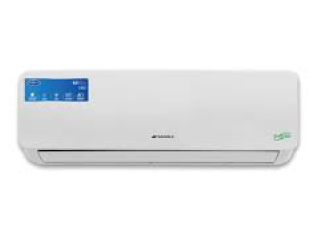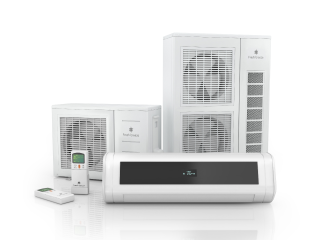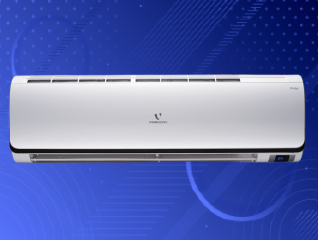



Convertible and inverter ACs use different approaches to manage cooling, although some models combine both technologies. An inverter AC adjusts compressor speed to maintain a more consistent room temperature, while a convertible AC allows the cooling capacity to be adjusted according to changing requirements. Understanding how each technology works can help compare energy use, cooling control, comfort, and suitability for different rooms.
- Inverter ACs use variable-speed compressors that adjust cooling output according to the temperature requirement, supporting more consistent cooling.
- Convertible ACs allow the cooling capacity to be changed through different operating modes, making them useful when cooling requirements vary.
- Inverter technology primarily focuses on regulating compressor speed, while convertible technology focuses on providing greater control over cooling capacity.
- Both types can help manage electricity consumption, but actual energy use depends on capacity, energy rating, usage hours, temperature settings, and room conditions.
- Some AC models combine inverter and convertible technologies, offering variable-speed compressor operation along with adjustable cooling capacity.
- The right choice depends on the preferred cooling pattern, room size, occupancy, operating hours, energy efficiency requirements, and available budget.
You can also buy a new AC on Easy EMIs at over 1.5 lakh partner stores across 4,000 cities, including Reliance Digital, Croma, and Vijay Sales.