Night photography performance can vary significantly depending on the shooting environment. Some phones handle indoor lighting better, while others perform more consistently during handheld street photography, portraits, or video recording after dark. To better understand how these phones behave in real-world use, we compared them across some of the most common low-light shooting scenarios users encounter regularly.
1. Indoor low light
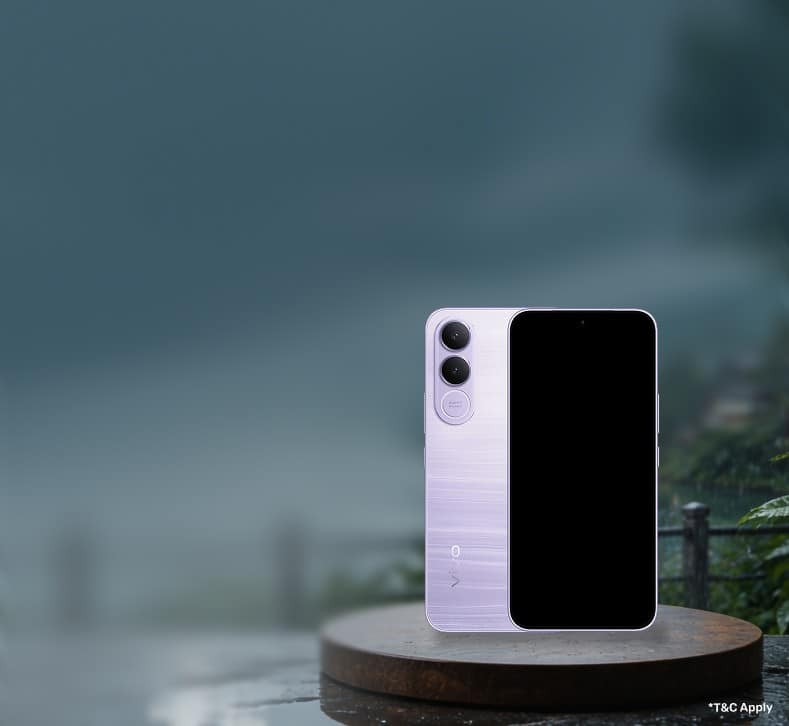
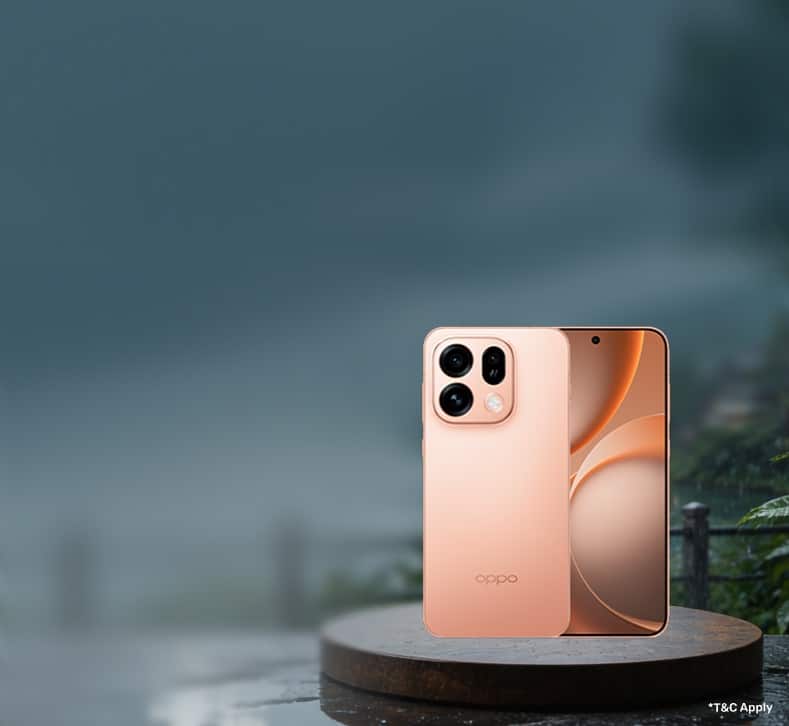
Indoor low-light photography remains challenging because phones must balance exposure, skin tones, white balance, and shadow control under inconsistent artificial lighting. The vivo V70 FE produces brighter indoor shots with stronger facial illumination, while Samsung’s Galaxy A57 delivers predictable HDR and warmer colour tuning. The realme 16 Pro 5G also brightens shadows aggressively indoors, though this can reduce depth in darker areas.
The motorola edge 70 pro maintains more controlled highlights, cleaner texture retention, and more neutral colour tuning under mixed lighting. The Nothing Phone (4a) Pro takes a more cinematic approach with deeper contrast, though very dark areas can occasionally lose detail. For users prioritising balanced indoor low-light photography over brighter processed output, the edge 70 pro feels comparatively more consistent overall.
2. Night street and urban photography
Urban night photography pushes HDR handling, motion control, stabilisation, and exposure balancing simultaneously. The OnePlus Nord 6 performs well during fast handheld captures thanks to its responsive shutter behaviour, while the Nothing Phone (4a) Pro produces visually striking urban shots with contrast-heavy tuning and a useful periscope telephoto lens for distant subjects.
The motorola edge 70 pro handles dynamic range more evenly across signage, reflections, and darker shadows, particularly while switching between the primary and ultra-wide cameras. The realme 16 Pro 5G produces brighter and punchier urban shots, though sharpening can appear heavier around high-contrast edges.
3. Night portraits
The vivo V70 FE remains strong for portrait-focused photography with brighter facial rendering and social-media-friendly processing. Samsung’s Galaxy A57 also maintains familiar warm portrait tuning in low light. The motorola edge 70 pro takes a more natural approach with neutral skin tones and sharper autofocus consistency during night portraits and selfies. The realme 16 Pro 5G delivers brighter portraits with strong selfie detail from its 50MP front camera, though heavier processing can soften finer textures.
The Nothing Phone (4a) Pro creates more cinematic-looking portraits with stronger subject separation and compressed framing from its periscope telephoto lens. Users preferring natural-looking portraits may lean toward Motorola, while those preferring brighter facial rendering may favour vivo.
4. Low-light video
Low-light video recording places greater demand on stabilisation, exposure control, and motion handling compared to still photography. The motorola edge 70 pro offers a more complete video setup with 4K 60fps support across its main, ultra-wide, and selfie cameras, along with OIS, AI Adaptive Stabilisation, and Horizon Lock for more stable night footage. The OnePlus Nord 6 supports 4K 60fps on its main camera, making it strong for primary-lens video. However, the ultra-wide is limited to 1080p 30fps and the selfie camera to 4K 30fps, which users may notice when switching lenses during recording.
The vivo V70 FE, realme 16 Pro 5G, Nothing Phone (4a) Pro, and Samsung Galaxy A57 are capped at 4K 30fps on their main cameras, with some ultra-wide cameras further limited to 1080p 30fps, making them more suited for casual low-light video rather than high-frame-rate capture.