What is an e-wallet?
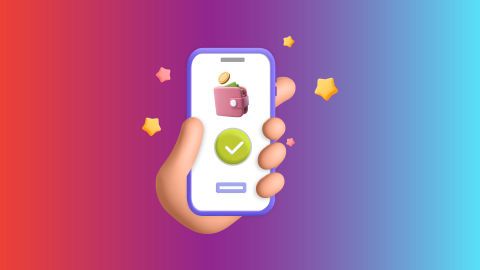
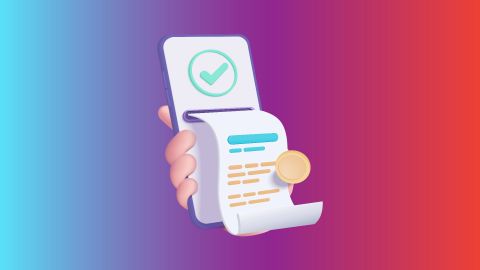
An e-wallet or a digital wallet helps you manage and store your payment information in a secure manner. Gone are the days when making payment involves lengthy tedious processes for large amounts or carrying petty cash for day-to-day transactions; now all the payments can be made with a few clicks. No need of entering bank details or saving or waiting, just send the money from your wallet by entering your unique PIN to any person or merchant or pay bill.
How do digital wallets work?
To use a digital wallet, users must first unlock the wallet app using facial recognition, fingerprint identification, or a PIN code. Then they will select the stored payment method they want to use.
For online purchases, customers will continue through the business' checkout process once they've chosen a digital wallet and selected the payment method stored within that they want to use for that purchase.
For in-person purchases, digital wallets use wireless, Bluetooth and magnetic capabilities to transmit payment data from a customer's mobile device to an enabled card reader or payment terminal. To conduct a transaction, users unlock their device, select their payment method and then hold their device close to the card reader. Contactless payments using digital wallets typically just take a couple of seconds to complete and use the following technologies:
1. Near-field communication (NFC)
Near-field communication (NFC) most commonly powers contactless payments. NFC securely enables devices like smartphones, smartwatches, and some credit cards to transmit payment information to card readers and payment terminals without physically making contact.
2. Magnetic secure transmission (MST)
Magnetic secure transmission (MST) allows smartphones to emit an encrypted signal that acts like the magnetic stripe on credit and debit cards. Digital wallets that use MST transmit the encrypted payment data to the card reader when the customer holds their device at close range (usually a few centimetres) or taps it.
3. QR codes
Quick response (QR) codes are matrix barcodes that mobile device cameras can scan to initiate a transmission of information. These codes can be used to make digital wallet payments.
After the customer transmits their payment information from their digital wallet, the POS terminal or card reader will route the transaction information to the payment processor. Then the payment processor communicates with the issuing and acquiring banks to process the purchase.
Different types of e-wallets
A wide range of digital wallets are available today, each offering unique features and benefits. Some of the popular options include:
- Bajaj Pay
- Cash App
- Google Wallet
- Samsung Wallet
- PayPal
- Venmo
- Alipay
- Walmart Pay
- Vodafone M-PESA
Each wallet differentiates itself through features, usability, and partnerships. For instance, Google Wallet allows users to store funds and make payments directly from their devices.
How to use an e-wallet
For consumers
- Download your preferred e-wallet app on your smartphone.
- Sign up by entering the required details and create a secure login password.
- Add money to your wallet using a debit card, credit card, or net banking.
- While shopping online, the e-wallet can auto-fill your saved details for quicker checkout.
- Once your information is stored, you can make future payments easily without re-entering details every time.
For merchants
- Download the e-wallet app on your device.
- Register by providing the necessary business and personal details.
- Select or declare your profile as a merchant.
- Start accepting payments from customers through the wallet.
What you need to get started
- An active bank account
- A smartphone
- Internet connectivity (mobile data or Wi-Fi)
- A compatible e-wallet app such as Bajaj Pay
Important safety tips
- Register your mobile number with your bank to receive transaction alerts via SMS.
- Never share your PIN, OTP, or login credentials with anyone.
- Make payments only on trusted websites or to verified merchants.
- Stay alert while using ATMs and ensure your PIN is not visible to others.
Advantages of e-wallets
E-wallets offer several benefits that make them a popular choice for digital transactions:
- Convenience: No need to carry cash or physical cards. Payments can be made quickly with just a few taps on your smartphone.
- Speed: Transactions are processed instantly, saving time compared to traditional payment methods.
- Security: Enhanced security features like encryption, biometric authentication, and PIN protection help safeguard your financial information.
- Rewards and offers: Many e-wallets provide cashback, discounts, and other promotional offers, adding value to your transactions.
- Track spending: E-wallets often come with features that allow you to track your spending and manage your finances more effectively.
Know About Bajaj Pay Wallet
The Bajaj Pay Wallet is a secure and user-friendly digital wallet offered by Bajaj Finance. It provides a seamless way to manage your money and make payments. Here are some key features:
- Fast and secure payments: Add money to your wallet and make payments quickly without re-entering your payment details each time.
- Seamless transactions: Enjoy smooth and hassle-free transactions with advanced wallet technology.
- QR code payments: Use the QR scanner to make quick payments at participating merchants.
- Cashback and discounts: Get attractive rewards and discounts on various transactions, including utility payments and online shopping.
- Easy setup: Setting up your Bajaj Pay Wallet is simple. Download the Bajaj Finance app, complete the KYC process, and start using your wallet for secure payments.
How to set up your Bajaj Pay Wallet
- Login to the Bajaj Finance app
- Tap on 'WALLET'
- Click on 'SETUP WALLET'
- Self-declare the details to create a Min KYC Wallet
- Tap on 'GO TO BAJAJ PAY WALLET'
- Tap on the banner
- Fill in the self-declaration form and upload your selfie for verification
- Complete your KYC using DigiLocker
- Select KYC documents i.e., Aadhaar card or Driving license
- Tap 'CONFIRM' on your KYC verification page
Once the above-mentioned steps are completed, you will be allotted a Full KYC Wallet upon successful completion of the verification process.
Importance of e-wallet
Transitioning into complete digital payments or cashless payments, e-wallet has evolved to be a very handy yet secure way to add money for transactions. Such as:
- Reducing the risk of fraud or any other security threats
- No need to carry the right amount of cash or coins for daily transactions
- Can send money to your friends and family in any part of the world
- In short it is a faster, simpler, secure and
How to safeguard your e-Wallet
- Set a strong password: Protect your e-wallet by setting a strong, unique, and complex password. Ensure to update it regularly for enhanced security and safe transactions.
- Enable two-factor authentication (2FA): Activate 2FA for added security, requiring both a password and a one-time code for transactions.
- Avoid public Wi-Fi: Refrain from accessing your e-Wallet over unsecured public networks to prevent hacking.
- Monitor transactions: Regularly review your e-Wallet transactions for any unauthorised activity.
- Use official apps only: Download and update e-Wallet apps from official sources like Google Play or Apple App Store.
- Log out after use: Always log out of your e-Wallet after completing transactions.
How does using an e-wallet benefit your customers?
Convenience:
- Contactless payments: Pay quickly and easily without needing your physical wallet or cash.
- Multiple payment methods: Store multiple credit cards, debit cards, and bank accounts in one place.
- Fast checkout: Skip long checkout lines and pay with a tap or click.
- Bill splitting: Easily split bills with friends and family.
- Send and receive money: Send and receive money instantly to friends and family.
Security:
Protect yourself from e-wallet frauds in India with advanced security features:
- Encrypted information: Your payment information is stored securely with multiple layers of encryption.
- Tokenisation: Secure tokens are used instead of actual card numbers during transactions, reducing the risk of fraud.
- Biometric authentication: Secure access with fingerprint or facial recognition.
- Lost phone protection: Remotely disable your e-wallet if your phone is lost or stolen.