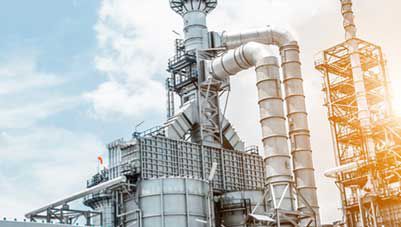







Power plants form the bedrock of India's energy infrastructure, converting coal, gas, solar, wind, and hydro resources into the electricity that powers our homes, industries, and rapidly growing cities. Whether you are a business owner exploring energy investments, an entrepreneur planning to establish a power generation unit, or a professional researching India's power sector, this comprehensive guide covers every essential detail. We explore how power plants operate, the primary types utilised in the Indian market, regulatory requirements, capital investment costs, and the various financing options available to fund your project.
What is a power plant?
A power plant is a large-scale industrial facility engineered to generate electricity for industrial, commercial, and residential consumption. It transforms primary energy sources—including fossil fuels, nuclear energy, and renewables—into electrical energy through a sophisticated series of mechanical and electrical processes.
Power plants are fundamental to modern society for several key reasons:
- Reliability: They ensure a continuous and dependable supply of electricity across all sectors of the economy.
- Economic growth: They provide the essential power required for manufacturing, technological advancement, and urban infrastructure.
- Energy transition: They facilitate the critical shift from conventional fossil fuels towards cleaner, sustainable renewable energy sources.
- National security: They form the bedrock of India’s National Energy Security Policy, ensuring self-reliance and stability.
How does a power plant work?
A thorough understanding of power plant operations is a prerequisite for any strategic investment or project planning. While the specific generation process varies across different plant types, the fundamental principle—energy conversion—remains consistent.
Working principle of a thermal power plant
The traditional process of generating power through thermal energy follows these sequential stages:
- Combustion: Fuel, typically coal or gas, is burned in a boiler to generate intense heat.
- Steam generation: This heat converts water into high-pressure steam.
- Turbine rotation: The high-pressure steam drives a turbine, which is coupled to an electrical generator.
- Energy conversion: The generator converts this mechanical rotation into electrical energy.
- Grid integration: The generated electricity is stepped up via transformers and transmitted across the national grid.
Renewable energy generation mechanisms
For sustainable energy projects, the conversion methods differ:
- Solar power: Photons from sunlight excite electrons within photovoltaic (PV) cells to generate Direct Current (DC), which is then converted into Alternating Current (AC) using inverters.
- Wind power: Kinetic energy from the wind rotates turbine blades, turning a central shaft connected to a generator.
- Hydroelectric power: The flow of water drives turbine blades, converting kinetic energy directly into electricity.
Types of power plants
Power plants in India are broadly classified by their energy source and generation method, primarily falling into two categories: thermal and renewable. Each type features distinct operational characteristics, cost structures, and environmental footprints.
Power generation categories
| Category | Energy source | Key advantage |
|---|---|---|
| Thermal power plants | Coal, Natural gas, Oil | High-capacity, continuous base-load operation. |
| Renewable energy plants | Solar, Wind, Hydro | Eco-friendly with significantly lower operational costs. |
Selecting the appropriate plant type depends on geographical suitability, resource availability, the prevailing regulatory environment, and your specific investment capacity.
1. Thermal power plants
Thermal plants generate electricity by combusting fossil fuels to produce heat, which converts water into high-pressure steam. This steam then drives turbines coupled with electrical generators.
- Mechanism: Utilise steam turbines to produce mechanical energy for conversion into electricity.
- Reliability: Capable of continuous operation, making them ideal for meeting base-load demand.
- Scale: Large-scale installations typically range from 500 MW to over 4,000 MW.
- Core components: Comprise boilers, turbines, generators, condensers, and cooling towers.
2. Renewable energy power plants
These facilities harness naturally replenishing sources to generate power and are central to India’s target of achieving 500 GW of renewable capacity by 2030.
- Solar power: Employs photovoltaic (PV) cells or concentrated solar power (CSP) to convert sunlight into electricity.
- Wind power: Utilises large-scale turbines to capture kinetic energy from wind currents.
- Hydroelectric power: Generates electricity via the controlled flow or fall of water through turbines.
- Biomass power: Combusts organic materials to produce heat and power.
Advantages:
- Zero fuel costs: Once installed, the primary energy source is free.
- Sustainability: Negligible carbon emissions compared to thermal alternatives.
- Incentives: Eligible for government subsidies under the National Solar Mission and PLI schemes.
- Investment appeal: Highly attractive to ESG-compliant (Environmental, Social, and Governance) investors and green financing.
Limitations:
- Intermittency: Output is contingent upon weather and seasonal conditions.
- Initial outlay: Often requires a higher upfront capital investment than conventional plants.
- Storage requirements: Necessity for battery energy storage systems (BESS) to ensure a steady supply.
Example of a power plant
A prominent example of a large-scale power generation facility in India is the Tata Mundra Ultra Mega Power Plant (UMPP) situated in Gujarat.
Project specifications
| Parameter | Details |
|---|---|
| Installed capacity | 4,000 MW |
| Fuel type | Imported coal |
| Major components | Boilers, steam turbines, generators, and cooling towers |
| Technology | Supercritical thermal technology |
| Output | Supplies electricity to multiple states across India |
Key insights for investors
The Tata Mundra project serves as a critical case study for several reasons:
- Infrastructure and capital: It demonstrates the immense scale of infrastructure and the substantial capital outlay required for a large-scale thermal plant.
- Contractual complexity: It highlights the intricate nature of multi-state Power Purchase Agreements (PPAs) and the necessity of robust legal frameworks.
- Regulatory environment: It illustrates how industrial-scale plants operate within long-term regulatory and environmental guidelines.
- Capacity benchmark: It provides a gold standard for capacity planning and technical execution in new power generation projects.
Advantages and disadvantages of power plants
| Type of power plant | Advantages | Disadvantages |
|---|---|---|
| Thermal power plant | High power output, reliable, suitable for continuous operation | Environmental pollution, high fuel cost, non-renewable fuel dependency |
| Renewable energy plant | Eco-friendly, renewable resources, reduces greenhouse gas emissions | Intermittent energy supply, high initial setup cost, dependent on natural conditions |
How to start a power plant in India
Establishing a power generation facility in India is a sophisticated, multi-phase undertaking that demands stringent regulatory compliance, strategic foresight, and substantial capital investment. Below is a structured step-by-step breakdown of the process:
Step 1: Feasibility study - Analyse the energy demand within the target region and assess site suitability. This involves evaluating resource availability—such as solar irradiation levels, wind speeds, or water flow—alongside a rigorous financial viability assessment.
Step 2: Regulatory approvals - Secure mandatory clearances and No Objection Certificates (NOCs) from key governing bodies:
- Ministry of Power (Central Government)
- Central Electricity Authority (CEA)
- State Electricity Regulatory Commission (SERC)
- Ministry of Environment, Forest and Climate Change (MoEFCC) for a comprehensive Environmental Impact Assessment (EIA).
Step 3: Land acquisition - Identify and procure land parcels suited to the plant type. For instance, solar parks typically require 4 to 5 acres per megawatt (MW). Ensure all acquisitions comply strictly with local land-use regulations and state industrial policies.
Step 4: Technology selection - Select the most efficient technology based on available resources:
- Thermal: Supercritical coal or gas-based plants.
- Solar: Ground-mounted utility-scale PV or commercial rooftop systems.
- Wind: Onshore or offshore turbine installations.
- Hydro: Run-of-river or reservoir-based hydroelectric systems.
Step 5: Procurement of machinery and equipment - Source high-specification turbines, generators, transformers, inverters, and sophisticated control systems. To manage these substantial procurement costs without depleting your working capital, consider specialised Equipment Finance or Machinery Loans.
Step 6: Grid connectivity and PPA - Apply for grid interconnection with the relevant State or Central Transmission Utility. Simultaneously, negotiate Power Purchase Agreements (PPAs) with Power Distribution Companies (DISCOMs) to secure long-term revenue.
Step 7: Commissioning and operations - Conduct rigorous load testing and safety inspections. Obtain all necessary operational licences before commencing commercial power generation and supply.
Power plant cost and investment overview
The cost of establishing a power plant in India is influenced by the choice of technology, installed capacity, and geographical location. Based on 2025-26 benchmarks, the following are the estimated capital requirements:
Power plant investment benchmarks (per MW)
| Plant type | Approximate cost per MW (Rs.) |
|---|---|
| Coal-based thermal plant | Rs. 8 crore – Rs. 9.5 crore |
| Solar power plant (Utility scale) | Rs. 3.5 crore – Rs. 5 crore |
| Wind power plant | Rs. 6.5 crore – Rs. 8 crore |
| Small hydroelectric plant | Rs. 8 crore – Rs. 12 crore |
Key capital expenditure (CAPEX) components
When outlining your project budget, ensure the following elements are factored in:
- Land acquisition and development: Costs for procuring 4–5 acres per MW (for solar) and site levelling.
- Civil works and infrastructure: Construction of foundations, administrative buildings, and internal roads.
- Plant and machinery: Procurement of high-specification turbines, generators, PV modules, and inverters.
- Grid integration: Costs for substations, transformers, and transmission lines to the nearest interconnection point.
- Regulatory and licensing: Fees for environmental clearances, state electricity board approvals, and legal compliance.
- Operational reserve: Sufficient working capital to cover insurance, maintenance, and staffing for the first year of operations.
Financing options for power plant
Setting up a power plant requires substantial investment. Common financing options include:
- Bank Loans: Long-term loans from banks to cover project costs
- Government Subsidies: For renewable energy projects, various incentives are available
- Private Investors: Partnership with private firms for equity financing
- Equipment Loans: Specialised loans such as Machinery Loan and Industrial Equipment Finance can help in procuring necessary machinery
Conclusion
Power plants are the cornerstone of a nation’s energy infrastructure, driving industrial growth, technological advancement, and economic development. While thermal plants ensure a consistent and high-capacity electricity supply, renewable energy plants provide sustainable and environmentally friendly alternatives for the future. Establishing a power plant requires careful planning, regulatory approvals, and strategic financial investment. Entrepreneurs can explore options such as a business loan, use our business loan eligibility calculator, and review the business loan interest rate to secure the necessary funding and successfully set up a power generation unit.