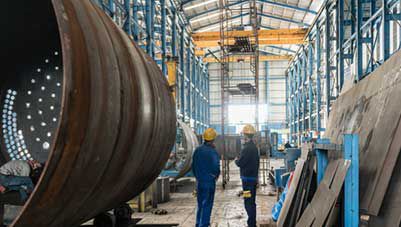
A crane machine is a heavy-duty lifting apparatus used to lift, lower, and move large loads across industries such as construction, manufacturing, shipping, and logistics. These machines rely on pulleys, wire ropes, hydraulic systems, and electric motors to handle materials safely and efficiently.
Crane machines are essential for large-scale infrastructure projects, factory operations, and port logistics, where manual lifting is impractical or hazardous.
Modern cranes feature:
● Hydraulic lifting mechanisms
● Precision load control systems
● Safety sensors with overload protection
● Remote and automated operation
By enabling the movement of extremely heavy materials, crane machines greatly enhance productivity, operational safety, and overall efficiency in industrial environments.
Understanding of crane
A crane machine is a specialised mechanical device designed to lift, transport, and accurately position heavy loads. It combines structural components, pulleys, motors, and hydraulic systems to manage weights far beyond human ability.
Crane machines are widely used in:
- Construction sites – handling steel beams, concrete slabs, and building materials
- Ports and shipping terminals – loading and unloading cargo containers
- Manufacturing plants – moving heavy machinery and industrial equipment
- Large infrastructure projects – constructing bridges, highways, and power plants
Selecting the right crane involves considering:
- Load capacity
- Required lift height
- Mobility and reach
- Site conditions
Using the appropriate crane ensures optimal safety, efficiency, and cost-effectiveness on the worksite.
What is a crane?
A crane is a lifting and moving machine that allows materials to be transported vertically and horizontally. Its main function is to reduce manual labour, save time, and improve safety. Cranes come in multiple forms: stationary or mobile, manually operated or fully automated, depending on the industry and specific requirements.
Why cranes are important:
- They enable the handling of extremely heavy loads.
- They improve speed and productivity on construction sites.
- They reduce risks associated with manual lifting.
- They allow work at heights or in difficult-to-reach areas.
How does a crane work?
A crane machine operates using a combination of pulleys, wire ropes, motors, and hydraulic systems to lift and transport heavy loads safely and efficiently. The operation follows several key steps to ensure precise and controlled handling.
Step-by-Step Operation of a Crane Machine
- Load Attachment
The item to be lifted is secured to the crane hook using:
- Slings
- Chains
- Clamps
- Lifting hooks
Proper attachment maintains stability and minimises the risk of accidents.
Hoisting
The crane lifts the load vertically with electric motors or hydraulic systems. Multiple pulleys may be used to distribute the weight and reduce mechanical strain.
Horizontal Movement
The load is moved across the site using:
- Rotating booms
- Trolleys
- Tracks or wheels
This allows precise placement of materials at the desired location.
Load Placement
The load is gently lowered using controlled braking and precision controls to ensure safe positioning.
Modern Safety Features
- Overload protection systems
- Anti-collision sensors
- Limit switches
- Remote operation controls
These safety mechanisms make crane operations reliable and secure in complex industrial and construction environments.
Different types of cranes
Different types of crane machines are designed to meet specific lifting needs across various industries. The most commonly used types include:
Overhead Crane
Also called a bridge crane, it runs on elevated rails within factories or warehouses.
Key features:
- Moves along overhead tracks
- Handles heavy loads efficiently
- Ideal for repetitive industrial lifting
Common applications: - Manufacturing plants
- Steel factories
- Assembly units
Mobile Crane
Mounted on trucks or wheeled platforms, mobile cranes can be transported easily between sites.
Key features:
- High mobility
- Quick setup
- Telescopic boom
Used for: - Construction projects
- Equipment installation
- Temporary lifting operations
Tower Crane
Designed for high-rise construction and large infrastructure projects.
Key features:
- Extremely high lifting height
- 360-degree rotation
- Long horizontal jib arm
Gantry Crane
Operates on ground-level rails and is commonly used in ports and shipyards.
Key features:
- High lifting capacity
- Wide operational area
- Suitable for container handling
Jib Crane
Features a horizontal arm attached to a vertical support.
Key benefits:
- Compact design
- Cost-effective solution
- Ideal for workshops and small factories
Key components of crane
A crane machine is made up of several essential components that function together to carry out lifting tasks efficiently.
| Component | Function |
|---|---|
| Boom | The main arm used to lift and position loads |
| Hoist | Mechanism that raises and lowers materials |
| Hook | Attaches the load securely to the crane |
| Counterweight | Provides balance to prevent tipping |
| Control system | Enables the operator to manage crane movements |
| Hydraulic cylinders | Generate lifting power |
| Slewing mechanism | Allows the crane to rotate |
Familiarity with these components is vital for safe operation, proper maintenance, and effective load handling.
Applications of cranes
Crane machines are extensively employed across various industries for heavy lifting and material handling.
Key applications include:
● Construction – lifting steel beams, concrete blocks, and other structural materials
● Ports and shipping – loading and unloading cargo containers
● Manufacturing – assembling and moving heavy machinery
● Warehousing – transporting pallets and industrial equipment
● Infrastructure projects – building bridges, highways, and dams
By enhancing lifting efficiency, crane machines minimise manual labour and boost overall productivity.
What are the uses of cranes?
Cranes provide several operational benefits:
- Lifting and transporting heavy loads.
- Reducing manual labour and improving worker safety.
- Facilitating construction of tall or complex structures.
- Speeding up industrial processes and site productivity.
- Handling materials in hazardous or hard-to-reach areas.
Advantages of using crane machines
Crane machines offer numerous advantages for industries involved in heavy lifting and material handling.
- Enhanced Productivity
Cranes enable rapid movement of heavy materials, reducing project timelines and boosting overall efficiency. - Improved Safety
By minimising manual lifting, cranes help prevent workplace injuries and physical strain. - Capacity for Heavy Loads
Cranes can lift multiple tonnes, making them indispensable for large-scale construction and industrial projects. - Efficient Material Handling
They allow vertical and horizontal movement of materials, streamlining workflows. - Precision and Control
Advanced control systems enable operators to position heavy loads accurately and safely. - Versatility Across Industries
Crane machines are widely used in:
● Construction
● Manufacturing
● Shipping and ports
● Mining
● Infrastructure development
These benefits make crane machines a vital component of modern industrial operations.
Crane Machine Load Capacity Explained
The load capacity of a crane machine indicates the maximum weight it can safely lift and transport under specific operating conditions. This is a critical factor when selecting a crane for construction, industrial, or infrastructure projects. Each crane is designed with a rated lifting capacity, specifying the safe limit to avoid structural damage or tipping.
Key Terms Related to Crane Load Capacity
- Safe Working Load (SWL): The maximum weight a crane can lift safely during normal operations. Exceeding this may cause accidents or equipment failure.
- Rated Capacity: The maximum load a crane can handle under ideal conditions, factoring in correct boom angles and load positioning.
- Load Radius: The horizontal distance from the crane’s centre to the load. Greater radii reduce the crane’s lifting capacity.
- Load Charts: Manufacturer-provided tables showing the crane’s lifting limits at various boom lengths and angles.
Typical Crane Load Capacities
| Crane Type | Typical Load Capacity |
|---|---|
| Jib Crane | 500 kg – 10 tonnes |
| Mobile Crane | 10 – 100 tonnes |
| Tower Crane | 20 – 300 tonnes |
| Gantry Crane | 50 – 500 tonnes |
| Overhead Crane | 5 – 400 tonnes |
Understanding load capacity helps ensure safe crane operations, efficient lifting, and the correct selection of equipment for any construction or industrial project.
Safety Rules for Crane Machine Operation
Operating a crane safely is vital to prevent workplace accidents and equipment damage. Since cranes lift extremely heavy loads, adhering to proper safety protocols is essential.
Key Crane Safety Guidelines
- Use trained operators
Only certified operators should handle crane machines. Proper training ensures safe handling, accurate load calculations, and awareness of potential hazards. - Conduct pre-use inspections
Daily checks should cover:
- Wire ropes
- Hooks and slings
- Hydraulic systems
- Control panels
- Safety sensors
Regular inspections help identify mechanical issues before they lead to accidents.
- Adhere to load limits
Operators must never exceed the Safe Working Load (SWL) specified in the crane’s load chart. - Ensure proper load balance
Uneven loads can cause tilting or collapse. Materials must be evenly distributed and securely fastened. - Maintain a safe distance
All personnel should stay clear of the crane’s operating area to avoid injury from swinging loads or equipment failure. - Monitor weather conditions
High winds, heavy rain, or poor visibility can compromise stability and increase operational risks.
Following these safety measures ensures efficient, secure crane operations while protecting workers, machinery, and worksite integrity.
Cranes price in India
Crane prices vary depending on type, capacity, and additional features.
| Type of crane | Price range (INR) |
|---|---|
| Mobile cranes | 20,00,000 – 1,50,00,000 |
| Tower cranes | 25,00,000 – 3,00,00,000 |
| Overhead cranes | 10,00,000 – 50,00,000 |
| Gantry cranes | 15,00,000 – 75,00,000 |
| Jib cranes | 2,50,000 – 20,00,000 |
| Specialised cranes | 30,00,000 – 5,00,00,000+ |
Note: Prices vary depending on manufacturer, lifting capacity, and extra features.
Crane Machine Maintenance Tips
Regular maintenance is essential to ensure the safe and efficient operation of a crane machine. Proper upkeep also extends the equipment’s lifespan and minimises costly breakdowns.
Conduct Routine Inspections
Check the following components regularly:
- Structural framework
- Hoisting mechanisms
- Wire ropes and hooks
- Electrical systems
Early detection of issues helps prevent major mechanical failures.
Lubricate Moving Parts
Gears, pulleys, bearings, and other moving components should be lubricated frequently to reduce friction and wear.
Monitor Hydraulic Systems
For hydraulic cranes, it is vital to check fluid levels, seals, and overall system integrity to maintain performance.
Verify Safety Systems
Ensure overload protection, limit switches, and emergency brakes are fully functional at all times.
Provide Proper Operator Training
Well-trained operators avoid misuse, which can cause unnecessary damage and safety risks.
Schedule Professional Servicing
Periodic servicing by certified technicians ensures long-term reliability and safe operation of the crane machine.
Conclusion
Cranes are indispensable in modern industries for lifting, moving, and positioning heavy loads safely and efficiently. Choosing the right crane depends on project requirements, site conditions, and lifting capacity. Businesses can use financial options like a business loan to invest in cranes, while tools such as the business loan eligibility calculator help plan finances. Understanding the business loan interest rate ensures informed decision-making and better budgeting.