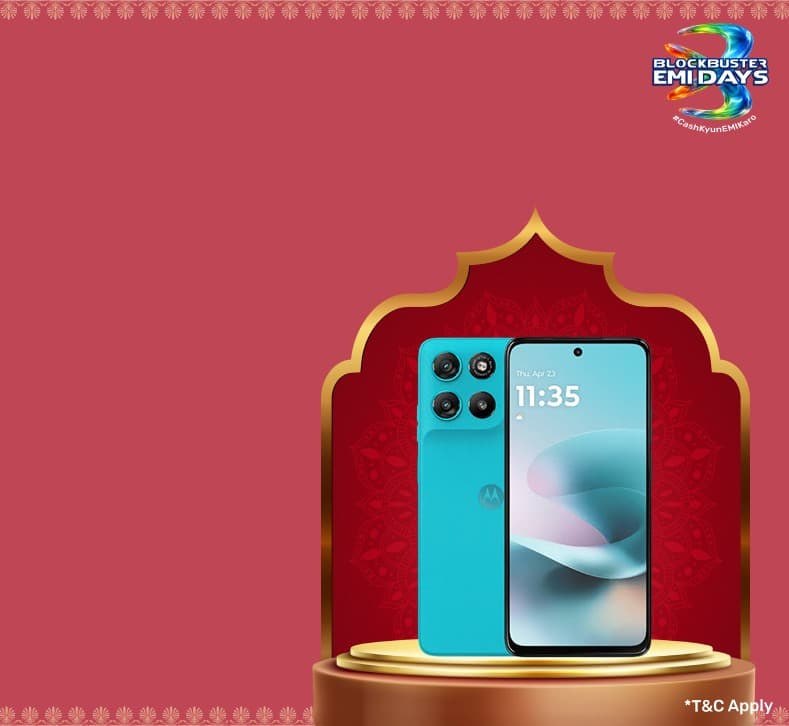
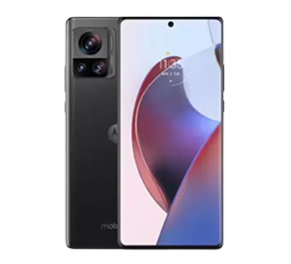
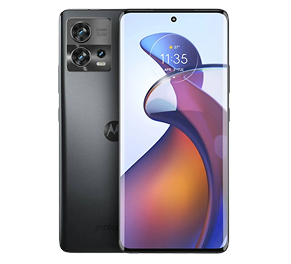
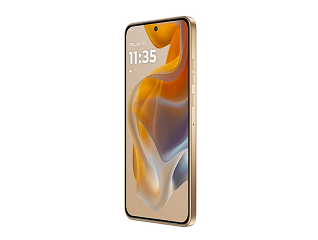
The technical specifications highlight differences in processing hardware, display technology, camera capability, connectivity and charging, helping users match each phone to gaming, photography, streaming and daily productivity needs.
General
Both phones offer dual-SIM 5G connectivity and IP68 protection, while the Edge 50 Pro 5G is larger and heavier. Its three-year OS upgrade commitment and four-year security support also extend its software lifecycle.
| Component | motorola Edge 50 Pro 5G | motorola Edge 40 Neo |
|---|
| Model | Edge 50 Pro 5G | Edge 40 Neo |
| Manufacturer | motorola | motorola |
| Launch date | 3 April 2024 | 21 September 2023 |
| Operating system | Android 14 | Android 13 |
| Custom UI | Hello UI | MyUX |
| SIM | Dual Nano SIM | Dual SIM, Nano SIM + eSIM |
| Network support | 5G, 4G, 3G, 2G | 5G, 4G, 3G, 2G |
| Dimensions | 161.23 x 72.4 x 8.19 mm | 159.63 x 71.99 x 7.89 mm |
| Weight | 186 g | 172 g |
| IP rating | IP68 | IP68 |
| OS updates | 3 years | 2 years |
| Security updates | 4 years | 3 years |
| Warranty | 1 year | 1 year |
Display and design
The Edge 50 Pro 5G combines a 1.5K pOLED panel with 2,000 nits brightness for detailed outdoor viewing, while the Edge 40 Neo uses a smaller 144 Hz pOLED display suited to scrolling, streaming and gaming.
| Component | motorola Edge 50 Pro 5G | motorola Edge 40 Neo |
|---|
| Display type | pOLED, curved | pOLED, curved |
| Screen size | 6.7-inch | 6.55-inch |
| Screen resolution | 2712 x 1220 pixel | 2400 x 1080 pixel |
| Aspect ratio | 20:9 | 20:9 |
| Pixel density | 446 ppi | 402 ppi |
| Refresh rate | 144 Hz | 144 Hz |
| Touch sampling rate | 360 Hz | 360 Hz |
| Peak brightness | 2,000 nits | 1,300 nits |
| Screen protection | Corning Gorilla Glass 5 | Corning Gorilla Glass 3 |
| HDR support | HDR10+ | HDR10+ |
| Colour depth | 10-bit | 10-bit |
| Colour gamut | 100% DCI-P3 | DCI-P3 |
| Screen-to-body ratio | 90.75% | 90.13% |
| Build | Aluminium frame, vegan leather or TPU rear | Plastic or vegan leather rear |
| Water and dust resistance | IP68 | IP68 |
Performance and software
The Snapdragon 7 Gen 3 uses a 4 nm process with a faster Cortex-A715 configuration and Adreno 720 GPU, while the Dimensity 7030 uses 6 nm fabrication, Cortex-A78 cores and Mali-G610 MC3 for everyday multitasking and gaming.
| Component | motorola Edge 50 Pro 5G | motorola Edge 40 Neo |
|---|
| Processor | Qualcomm Snapdragon 7 Gen 3 | MediaTek Dimensity 7030 |
| CPU | 1 x Cortex-A715 at 2.63 GHz, 3 x Cortex-A715 at 2.4 GHz, 4 x Cortex-A510 at 1.8 GHz | 2 x Cortex-A78 at 2.5 GHz, 6 x Cortex-A55 at 2.0 GHz |
| CPU architecture | 64-bit | 64-bit |
| CPU cores | Octa-core | Octa-core |
| CPU clock speed | Up to 2.63 GHz | Up to 2.5 GHz |
| Fabrication | 4 nm | 6 nm |
| Graphics | Adreno 720 | Mali-G610 MC3 |
| RAM | 8GB, 12GB | 8GB, 12GB |
| RAM type | LPDDR4X | LPDDR4X |
| Storage | 256GB | 128GB, 256GB |
| Storage type | UFS 2.2 | UFS 2.2 |
| Expandable storage | No | No |
| Fingerprint sensor | In-display optical | In-display optical |
| Audio | Dual stereo speakers, Dolby Atmos | Dual stereo speakers, Dolby Atmos |
| 3.5 mm audio jack | No | No |
Camera features
The Edge 50 Pro 5G adds a telephoto camera with 3x optical zoom and OIS alongside its 50MP main and 13MP ultra-wide cameras, while the Edge 40 Neo uses a 50MP OIS main camera and 13MP ultra-wide camera for everyday and close-range photography.
| Component | motorola Edge 50 Pro 5G | motorola Edge 40 Neo |
|---|
| Rear camera setup | 50MP + 13MP + 10MP | 50MP + 13MP |
| Primary camera | 50MP, f/1.4, PDAF, OIS | 50MP, f/1.8, PDAF, OIS |
| Ultra-wide camera | 13MP, f/2.2, 120° | 13MP, f/2.2, 120° |
| Telephoto camera | 10MP, f/2.0, 3x optical zoom, OIS | Not applicable |
| Macro camera | Via ultra-wide camera | Via ultra-wide camera |
| Autofocus | Yes | Yes |
| OIS | Main and telephoto | Main |
| Flash | LED | LED |
| Front camera | 50MP, f/1.9, autofocus | 32MP, f/2.4 |
| Rear video recording | Up to 4K at 30 fps | Up to 4K at 30 fps |
| Front video recording | Up to 4K at 30 fps | Up to Full HD at 30 fps |
| Slow-motion video | Full HD at up to 240 fps | Full HD at up to 240 fps |
Storage and connectivity
Both phones provide 5G, Wi-Fi 6E, NFC and USB Type-C connectivity, while the Edge 50 Pro 5G adds Bluetooth 5.4 and USB 3.1 with DisplayPort 1.4 for compatible external displays and accessories.
| Component | motorola Edge 50 Pro 5G | motorola Edge 40 Neo |
|---|
| Internal storage | 256GB | 128GB, 256GB |
| Storage type | UFS 2.2 | UFS 2.2 |
| Expandable storage | No | No |
| SIM | Dual Nano SIM | Nano SIM + eSIM |
| Network support | 5G, 4G, 3G, 2G | 5G, 4G, 3G, 2G |
| VoLTE | Yes | Yes |
| Wi-Fi | Wi-Fi 6E, 2.4 GHz, 5 GHz, 6 GHz | Wi-Fi 6E, 2.4 GHz, 5 GHz, 6 GHz |
| Bluetooth | 5.4 | 5.3 |
| NFC | Yes | Yes |
| GPS | GPS, A-GPS, GLONASS, Galileo, NavIC | GPS, A-GPS, GLONASS, Galileo |
| USB | USB Type-C 3.1, DisplayPort 1.4 | USB Type-C |
| Audio port | USB Type-C | USB Type-C |
Battery and other features
The Edge 40 Neo has a larger 5,000 mAh battery, while the Edge 50 Pro 5G combines a 4,500 mAh cell with 125 W wired charging, up to 50 W wireless charging and 10 W wireless power sharing for faster charging flexibility.
| Component | motorola Edge 50 Pro 5G | motorola Edge 40 Neo |
|---|
| Battery capacity | 4,500 mAh | 5,000 mAh |
| Battery type | Li-Po | Li-Po |
| Quick charging | 125 W TurboPower | 68 W TurboPower |
| Wireless charging | Up to 50 W | No |
| Reverse charging | 10 W wireless power sharing | No |
| Fingerprint sensor | In-display optical | In-display optical |
| Speakers | Dual stereo speakers | Dual stereo speakers |
| Audio technology | Dolby Atmos | Dolby Atmos |
| Water resistance | IP68 | IP68 |
| Dust resistance | IP68 | IP68 |