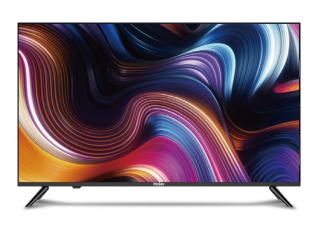
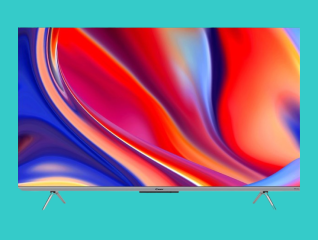
Mini LED vs. QLED- What is the difference?

Mini LED vs. QLED- What is the difference?

Mini LED TVs offer for deeper contrast, while QLED for richer colour (quantum dots). Buy either on EMIs starting at Rs. 830 per month at the nearest Bajaj Finance partner store.

Check your pre-approved loan offer

Quick approval | Flexible tenure options | Zero approval fees

In summary

Mini LED vs. QLED comes down to contrast versus colour. Mini LED gives deeper blacks using hundreds of local dimming zones in its backlight, while QLED delivers brighter, richer colour through a quantum dot layer.


  • Mini LED packs thousands of tiny backlight LEDs into dimming zones, cutting the halo effect around bright objects.
  • QLED adds a quantum dot film to a standard LED backlight for a wider colour range.
  • Price difference: 55-inch QLED TVs start around Rs. 30,000, while 55-inch Mini LED models start around Rs. 37,000–45,000.
  • Many premium TVs combine both — Samsung Neo QLED and TCL QD-Mini LED use quantum dots with a Mini LED backlight.
  • Pick Mini LED for movie viewing in dark rooms; pick QLED for bright rooms on a tighter budget.

Whichever you choose, you can convert the cost into Easy EMIs using Bajaj Finance's financing options at 1.5 lakh partner stores such as Reliance Digital, Croma, Vijay Sales, and more.

What are mini LED and QLED TVs?

Mini LED is a backlight technology, while QLED is a colour technology — a Mini LED TV controls how light is produced, and a QLED TV (also called a quantum dot TV) controls how colour is displayed.


The two are not direct opposites. Because one manages light and the other manages colour, a single TV can use both — Samsung's Neo QLED and TCL's QD-Mini LED ranges do exactly this. When brands market "Mini LED vs QLED," they usually mean premium Mini LED models versus standard edge-lit QLED models.


What is a mini LED TV?

A Mini LED TV uses thousands of tiny LEDs — each around 0.2 mm (200 microns) across — in its backlight, instead of a few hundred larger ones. These LEDs are grouped into local dimming zones that brighten or darken independently. The result is deeper blacks, higher peak brightness, and less halo effect around bright objects.


What is a QLED TV?

A QLED TV is an LED TV with an added quantum dot layer — a film of nano-sized particles that converts the backlight into purer red and green light. This widens the colour range and boosts brightness compared with a standard LED TV. QLED does not change the backlight itself, which is why its contrast depends on the panel behind it.


Instead of putting off the upgrade, you can bring home a Mini LED or QLED TV — or any other electronics and appliances — without exhausting your savings. Visit any of Bajaj Finance's 1.5 lakh partner stores, like Vijay Sales, Croma, Reliance Digital, and more, across 4,000 cities, including Tier 2 cities like Jaipur, Lucknow, Kochi, and Bhopal.


Choose your preferred Mini LED or QLED TV model and use any of Bajaj Finance's financing options — the Bajaj Finance Insta EMI Card and the Bajaj Finance Easy EMI Loan— to make your purchase. Convert the cost into Easy EMIs that suit your monthly budget, and enjoy zero down payment on select models — take it home without any upfront payment. You can also check your loan eligibility online in minutes, so you know exactly what you can get before you step into the store.



Mini LED vs. QLED TVs- How do they compare?

Mini LED wins on contrast and brightness; QLED wins on price. If your budget allows a step up, Mini LED gives you the bigger picture-quality jump — but a good QLED still outperforms a standard LED TV on colour at a lower cost. The table below compares the two on the factors that matter most when you are choosing between them.


FeatureMini LEDQLEDWhat it means for you
Core technologyBacklight made of thousands of tiny LEDs in dimming zonesQuantum dot colour film over a standard LED backlightMini LED changes how light is controlled; QLED changes how colour is produced
Contrast and blacksHigh — zones switch off in dark areas (up to 2,176 zones on the TCL C8K)Moderate — depends on the backlight behind the quantum dot layerMini LED handles dark movie scenes with less greying and halo effect
Peak brightness1,200 nits on mid-range models (Xiaomi TV S); flagships like the TCL C8K claim up to 4,500 nitsVaries with the backlight; entry edge-lit models are significantly dimmer Mini LED stays clearly visible even in bright, sunlit rooms
ColourStrong; QD-Mini LED models add quantum dots tooStrong — wide colour range is QLED's core strengthBoth beat standard LED TVs; colour alone should not decide your pick
Price (55-inch)Starts around Rs. 37,000–45,000Starts around Rs. 30,000QLED saves you roughly Rs. 7,000–15,000 at entry level
Best suited forMovie viewing, dark rooms, HDR contentBright living rooms, tighter budgetsMatch the TV to your room and viewing habits, not the label

Are mini LED or QLED TVs better for watching sports?

Mini LED is the better choice for sports, mainly because its higher peak brightness (1,200–4,500 nits on current models) keeps daytime cricket and football clearly visible even in bright, sunlit rooms.


AttributeMini LEDQLED
Brightness1,200–4,500 nits peak — strong in daylightDepends on backlight; entry models are dimmer
Refresh rate60Hz–144Hz — varies by model, not by technology60Hz–120Hz on most India models
Motion clarityDepends on MEMC processing, not the backlightSame — check the specific model
Blooming riskSlight halo possible around a bright ball or scoreboard on dark backgroundsEdge-lit models avoid blooming — but only because they lack dimming zones, so blacks look greyer
Best room typeBright halls and daytime viewingModerately lit rooms, evening viewing

Which type of TV lasts longer- QLED or mini LED TVs?

QLED and Mini LED TVs last roughly for the same time— both use LED-backlit LCD panels rated for 60,000–100,000 hours, and neither carries any burn-in risk.


  • At 6–8 hours of daily viewing, a 60,000-hour rating works out to well over 20 years before the panel fades to half brightness.
  • Burn-in — permanent image retention — affects OLED panels, not QLED or Mini LED.
  • Lifespan ratings measure gradual brightness loss, not sudden failure; the panel dims slowly rather than dying.
  • One caveat: any LED backlight driven at very high brightness runs hotter, so flagship Mini LEDs pushed hard for HDR daily may dim marginally sooner — though real-world data on this is limited.

Maximise your savings with Maha Bachat

Combine the best summer offers, EMI plans, and exclusive vouchers with Maha Bachat to save big.

20k+ people used their offers at the store

Why do Mini LED TVs cost more than QLED TVs?

Mini LED TVs cost more because of two things: a far more complex backlight and the extra processing needed to control it.


  1. Backlight hardware: Thousands of tiny LEDs arranged in dimming zones — up to 2,176 on the TCL C8K and 5,184 on TCL's flagship sets — versus a single strip or basic array in most QLEDs.
  2. Processing power: Each zone needs real-time brightness control, which demands a more capable (and costlier) processor.
  3. Two technologies in one: Most Mini LED TVs sold in India also include a quantum dot layer, so you are effectively paying for QLED plus the advanced backlight.

The price gap does not have to hit your savings at once — you can split the cost using the Bajaj Finance Easy EMI Loan or the Bajaj Finance Insta EMI Card at partner stores near you.

What are the key factors when choosing between Mini LED and QLED TVs?

Four factors decide between a Mini LED and a QLED TV: room lighting, viewing content, budget, and EMI comfort.


  • Room lighting: Mini LED suits dim rooms and movie nights; QLED handles bright halls with all-day ambient light.
  • Content type: Pick Mini LED for HDR films, gaming, and sport (1,200–4,500 nits peak on current models); QLED covers regular serials, news, and OTT comfortably.
  • Budget: A 55-inch Mini LED costs 23–50% more (Rs. 37,000–45,000) than an entry QLED (around Rs. 30,000).
  • Repayment comfort: Whichever you pick, check that the monthly EMI fits your budget across the tenure — a costlier Mini LED on a longer tenure can match a QLED's shorter-tenure EMI.

Which is better for you— Mini LED or QLED TVs?

Choose Mini LED if you mostly watch movies, sport, or HDR content — its brighter panel (1,200 nits on mid-range models, up to 4,500 nits claimed on the TCL C8K) and dimming zones justify the extra cost. Choose QLED if your TV runs all day in a bright living room and you want strong colour without stretching your budget. Your room, your content, and your monthly EMI comfort matter more than the technology label.


Decision factorBetter pickBest for this buyer
Dim room, movie nights, OTT bingeingMini LEDHome-theatre builders and film lovers
Bright hall with daytime viewingQLEDFamilies with all-day TV use
Gaming and fast sportMini LED (higher brightness, better HDR)Console gamers, cricket viewers
Tightest budget at 55 inchesQLEDFirst-time large-screen upgraders

What are my financing options to buy a Mini LED or QLED TV?

Bajaj Finance gives you two ways to buy a Mini LED or QLED TV on EMIs starting at Rs. 830 per month — the Bajaj Finance Insta EMI Card and the Bajaj Finance Easy EMI Loan. Both work at 1.5 lakh partner stores across 4,000 cities in India.


FeatureInsta EMI CardEasy EMI Loan
LimitUp to Rs. 3 lakhUp to Rs. 5 lakh
Tenure3 months-60 months3 months-60 months
Fees and documentsZero annual feeBasic KYC documents
Ideal forRepeat purchases across categoriesA single higher-value purchase

How to choose? Pick the Insta EMI Card if you expect to buy more electronics over time; pick the Easy EMI Loan for a one-time, higher-value TV purchase — like a flagship Mini LED above Rs. 40,000. Either way, you can check your eligibility online in minutes before visiting the store.


How Rohan bought his 55-inch Mini LED TV on EMIs 

Rohan, a 29-year-old IT professional in Pune, is upgrading from a 2018 full-HD TV mainly to watch cricket in his bright living room. He picks the TCL 55C6K QD-Mini LED at Rs. 54,990 from Reliance Digital, Pune.

Since this is a single high-value purchase, he opts for the Bajaj Finance Easy EMI Loan rather than the Insta EMI Card. On an 18-month tenure, his monthly EMI works out to approximately Rs. 3,055. He needs a minimum CIBIL score of 650 and basic KYC documents to be eligible.


EMI shown is an illustrative example. Actual EMI depends on the product price, down payment, tenure, applicable charges, and the terms of the Bajaj Finance Insta EMI Card or Bajaj Finance Easy EMI Loan.

How to buy a Mini LED or QLED TV on Easy EMIs at the nearest Bajaj Finance partner store?

Buying a Mini LED or QLED TV on EMIs at a Bajaj Finance partner store usually takes just 10–15 minutes. Follow these steps:


  1. Browse models on Bajaj Mall: Compare Mini LED and QLED models by brand, screen size, and price before heading out.
  2. Find a partner store near you: Use the Bajaj Finance store locator to pick from 1.5 lakh partner outlets — such as Croma, Vijay Sales, and Reliance Digital — across 4,000 cities.
  3. Check the TV in person: Look at brightness, dimming zones (for Mini LED), refresh rate, and smart features to confirm the model suits your room.
  4. Choose your EMI option: At checkout, ask the store executive about the Bajaj Finance Insta EMI Card or Easy EMI Loan. Confirm the tenure and whether your model has a zero down payment offer.
  5. Complete payment and take it home: Once approved, your purchase is processed immediately — schedule delivery or installation at your convenience.

Disclaimer

While care is taken to update the information, products, and services included in or available on our website and related platforms/websites, there may be inadvertent inaccuracies or typographical errors or delays in updating the information. The material contained in this site, and on associated web pages, is for reference and general information purpose and the details mentioned in the respective product/service document shall prevail in case of any inconsistency. Subscribers and users should seek professional advice before acting on the basis of the information contained herein. Please take an informed decision with respect to any product or service after going through the relevant product/service document and applicable terms and conditions. In case any inconsistencies observed, please click on reach us.

*Terms and conditions apply