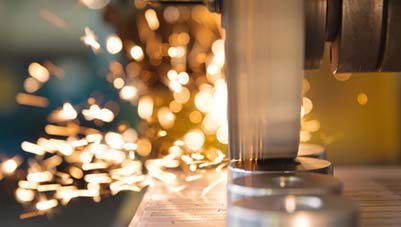







Laser engraving machines are widely used across industries for creating precise, permanent markings on different materials. From branding and product identification to customised designs, these machines offer high accuracy and speed. As demand for personalised and industrial engraving grows in India, understanding how laser engraving machines work, their types, prices, and financing options can help businesses make informed purchasing decisions.
Understanding laser engraving machine
A laser engraving machine uses focused laser beams to engrave text, images, or patterns onto a surface. Unlike traditional engraving methods, laser engraving is contactless, which reduces wear and tear and improves precision. These machines are commonly used in manufacturing, jewellery, signage, electronics, and packaging industries.
What is a laser engraving machine?
A laser engraving machine is a device that uses a high-powered laser beam to remove material from a surface and create a visible mark. The engraving is permanent and highly detailed.
Key characteristics include:
- High precision and repeatability
- Ability to engrave complex designs
- Suitable for metals and non-metals
- Minimal maintenance compared to mechanical systems
How does a laser engraving machine work?
Laser engraving machines operate through a controlled and automated process:
- A laser source generates a focused beam of light
- The beam is directed through mirrors or fibre optics
- The laser heats and vaporises the surface material
- The depth and intensity are controlled through software
- The engraved design is completed with high accuracy
This process ensures clean and consistent results without direct contact with the material.
Types of laser engraving machines
Laser engraving machines are classified based on the laser source and application:
- CO₂ laser engraving machines – Ideal for wood, acrylic, leather, glass, and plastics
- Fibre laser engraving machines – Used for metals such as steel, aluminium, and brass
- Diode laser engraving machines – Suitable for light-duty and small-scale engraving
- UV laser engraving machines – Used for delicate materials and high-precision work
Each type is designed for specific materials and industrial requirements.
Laser engraving machine price in India
| Type of laser engraving machine | Price range (INR) |
|---|---|
| CO₂ laser engraving machine | 1,50,000 – 4,00,000 |
| Fibre laser engraving machine | 3,00,000 – 12,00,000 |
| Diode laser engraving machine | 40,000 – 1,20,000 |
| UV laser engraving machine | 8,00,000 – 20,00,000 |
Prices may vary depending on power output, working area, automation, and brand.
Key factors that influence laser engraving machine price
Several factors affect the overall cost of a laser engraving machine:
- Type of laser source and power capacity
- Size of the working area and bed
- Software features and automation level
- Cooling system and safety features
- Brand reputation and after-sales support
Higher precision, speed, and automation generally result in higher prices.
How to choose the right laser engraving machine?
When selecting a laser engraving machine, businesses should consider:
- Type of materials to be engraved
- Required engraving depth and speed
- Production volume and scalability
- Available workspace and power supply
- Budget and financing options
Carefully matching machine capabilities with business needs ensures better productivity and return on investment.
Financing options for laser engraving machine
Laser engraving machines can be purchased through flexible financing solutions to reduce upfront costs:
- Spread the cost through manageable EMIs
- Finance advanced machinery for business expansion
- Quick approvals with minimal documentation
- Suitable options include Machinery Loan and Industrial Equipment Finance
These options allow businesses to invest in modern technology without straining cash flow.
Conclusion
Laser engraving machines offer precision, efficiency, and versatility for a wide range of industrial and commercial applications. Investing in the right machine helps businesses improve product quality, branding, and operational efficiency. To support this investment, businesses can opt for a business loan, compare the business loan interest rate, and plan repayments using a business loan eligibility calculator.