







Health insurance goes beyond hospitalization—it covers OPD visits, medicines, ambulance charges, preventive checkups, and even alternative treatments, giving you all-around financial security.

Check health insurance plans with comprehensive coverage
Get Quote
Health plans from leading insurers | Comprehensive coverage | Offers multiple optional add-ons to enhance coverage
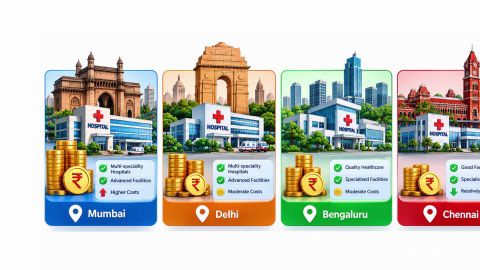
Health Insurance in your city
In summary
Healthcare financing in Varanasi demands robust retail policies combining high sum insured options exceeding Rs. 15 lakh with dense cashless hospital networks across major residential and commercial zones.
- Regional clinical hub status: Varanasi serves as the primary tertiary healthcare destination for over 25 million residents across Purvanchal, western Bihar, and adjoining Jharkhand districts. Source: Department of Medical Health and Family Welfare, Uttar Pradesh
- Epidemiological disease burden: Cardiometabolic conditions, chronic respiratory diseases, and waterborne gastrointestinal illnesses represent the top inpatient admissions. Source: Indian Council of Medical Research
- Public scheme limitations: While Ayushman Bharat PM-JAY supports low-income households, private room preferences necessitate comprehensive private insurance. Source: National Health Authority
- Dense cashless empanelment: Leading tertiary medical centres including Heritage Hospitals, Apex Hospital, and Popular Hospital maintain dedicated cashless desks. Source: Insurance Regulatory and Development Authority of India
- Digital policy procurement: Residents can instantly compare premium quotes and explore health insurance options to secure immediate family protection.
Choosing health insurance in Varanasi involves assessing the sum insured, checking cashless hospital availability and understanding policy exclusions. Explore plans, review their coverage terms and select an option that meets your family’s healthcare needs and budget.
Pro tip
Health statistics of Varanasi: What are the emerging public health trends?
Varanasi, one of the world's oldest living cities, functions as the economic, educational, and medical capital of eastern Uttar Pradesh (Purvanchal). The urban clinical landscape features historic medical universities alongside modern private multi-speciality hospital networks concentrated across key corridors including Lanka, Kakarmatta, Mahmoorganj, and DLW Hydel Road.
Public health surveillance conducted by the Department of Medical Health and Family Welfare reveals that non-communicable diseases (NCDs) account for more than 63 percent of all adult inpatient admissions across tertiary facilities in Varanasi. Ischaemic heart disease, cerebrovascular stroke, type-2 diabetes mellitus, and chronic obstructive pulmonary disease (COPD) display prominent prevalence rates. Furthermore, seasonal monsoon river fluctuations and high urban population density generate acute hospitalisation surges for vector-borne infections (dengue, chikungunya) and waterborne enteric fevers between July and November each year.
The presence of modern robotic surgical suites, advanced digital cardiac catheterisation laboratories, and intensive trauma centres has elevated local clinical capabilities to metropolitan standards. However, advanced treatment capabilities have driven average private hospitalisation charges for major tertiary procedures to between Rs. 3.5 lakh and Rs. 9 lakh, making structured private health insurance an absolute financial necessity.
Did you know?
Sir Sunderlal Hospital and the Trauma Centre at Banaras Hindu University (BHU) in Varanasi operate over 1,500 beds, handling over 1.5 million patient visits annually, making adjacent private empanelled hospitals essential for providing rapid, cashless private accommodations for urban families.
Popular plans for you



Why do you need health insurance in Varanasi?
Securing a robust private health insurance policy is essential for families residing in Varanasi due to distinct socio-economic and clinical factors:
- Protection against private medical inflation: Advanced medical treatments—such as coronary angioplasty, joint replacement, and neuro-intervention—cost between Rs. 3.5 lakh and Rs. 8.5 lakh in Varanasi's premier private hospitals. Private insurance absorbs these costs without depleting family assets.
- Minimising out-of-pocket expenditures: Out-of-pocket spending accounts for over 65 percent of local healthcare costs. An indemnity policy directly converts unpredictable medical emergencies into predictable, manageable annual premiums.
- Unrestricted access to modern super-speciality centres: Insurance empanelment ensures unhindered entry into top-tier medical facilities without requiring upfront cash deposits during emergency admissions.
- Coverage for seasonal infectious diseases: Comprehensive health plans cover inpatient medical management, intensive monitoring, and diagnostic platelet transfusions required during severe dengue or viral haemorrhagic outbreaks.
- Financial shielding for business proprietors: For the extensive community of textile merchants, artisans, and self-employed professionals in Varanasi, an unexpected hospitalisation can severely disrupt working capital unless insulated by insurance.
Quick fact:
According to regional claims data from general insurers, cardiovascular procedures and orthopaedic joint replacements account for over 52 percent of the total cumulative claim value settled in urban Varanasi, with an average single angioplasty inpatient claim amounting to Rs. 2.85 lakh in private multi-speciality centres.
What are major health problems in Varanasi?
Epidemiological patterns across urban Varanasi reveal several prominent health challenges requiring structured insurance protection:
- Ischaemic heart disease and acute coronary syndromes: Sedentary commercial routines, high-carbohydrate diets, and occupational stress have elevated coronary artery disease incidence, frequently requiring coronary angioplasty or CABG surgery costing Rs. 2.8 lakh to Rs. 7.5 lakh.
- Chronic obstructive pulmonary disease and asthma: Urban particulate emissions, dense vehicular traffic in ancient city lanes, and seasonal winter smog exacerbate chronic bronchitis and bronchial asthma, requiring emergency nebulisation and ICU care.
- Diabetic nephropathy and kidney disorders: High diabetes prevalence has driven up chronic kidney disease rates across Purvanchal, necessitating maintenance haemodialysis (Rs. 25,000 monthly) or renal transplantation costing upwards of Rs. 10 lakh.
- Gastrointestinal and enteric infections: High microbial loads in seasonal water networks trigger severe gastroenteritis, hepatitis A, and enteric typhoidal fevers requiring intensive inpatient fluid therapy and antibiotic management.
- Oncological conditions: Oral, gastrointestinal, and cervical malignancies represent prominent diagnostic categories, with patients seeking multi-modality chemotherapy and surgical oncology at premier cancer institutes in the region.
How to buy health insurance in Varanasi?
Purchasing health insurance in Varanasi requires evaluating individual medical needs against policy terms and network hospital density:
- Evaluate household medical risks: Assess the age, chronic health history, and occupational risks across your family members to determine appropriate coverage levels.
- Check local hospital empanelment: Verify that top tertiary centres in Varanasi, including Heritage Hospitals, Apex Hospital, and Popular Hospital, are on your prospective insurer’s active network list.
- Compare transparent policy terms online: Use digital comparison platforms like Bajaj Finance to review waiting periods, room rent terms, sub-limits, and exclusions across major insurers.
- Submit transparent medical disclosures: Complete the digital application form disclosing all past illnesses and surgical history to ensure seamless future claim settlements.
Health Insurance in different cities

Health Insurance in Bangalore

Health Insurance in Jaipur

Health Insurance in Pune

Health Insurance in Mumbai

Health Insurance in Kerala
How much health insurance coverage is needed for Varanasi residents?
Determining the ideal sum insured for a household residing in Varanasi requires factoring in local treatment costs, family composition, and healthcare inflation:
- Nuclear families (Self, spouse, and 1 to 2 children): A minimum family floater sum insured of Rs. 15 lakh to Rs. 25 lakh is strongly recommended to protect against multiple hospitalisations in a single policy period.
- Families with senior citizen parents: Geriatric treatments for cardiac, oncological, and orthopaedic care frequently involve intensive care stays. Maintaining a base cover of Rs. 15 lakh supplemented by a Rs. 30 lakh to Rs. 50 lakh super top-up policy provides robust, cost-effective security.
- Young self-employed professionals: Individuals below 30 years should secure an individual sum insured of at least Rs. 10 lakh, locking in affordable baseline premiums while building cumulative no-claim bonuses of up to 100 percent.
Inclusions and exclusions under health insurance: What policy terms govern claims?
Understanding the contractual inclusions and exclusions of health insurance policies ensures realistic coverage expectations:
Primary contractual inclusions
- Inpatient hospitalisation expenses: Covers room rent, ICU fees, nursing charges, surgeon fees, anaesthetist fees, and diagnostic imaging for admissions exceeding 24 hours.
- Pre-hospitalisation and post-hospitalisation expenses: Reimburses medical consultations, pathology tests, and medications 60 days prior to admission and up to 180 days post-discharge.
- Day-care surgical procedures: Covers modern surgeries that require less than 24 hours of hospitalisation due to advanced surgical technology.
- Emergency ambulance cover: Reimburses surface ambulance transport charges from residence or accident sites to the nearest network hospital.
Primary contractual exclusions
- Cosmetic and elective aesthetic interventions: Aesthetic plastic surgeries, unprescribed dermatological enhancements, and cosmetic dental procedures are strictly excluded.
- Diagnostic admissions without treatment: Inpatient hospitalisation undertaken solely for diagnostic evaluations or general health check-ups without active medical intervention is non-admissible.
- Self-inflicted injuries and hazardous activities: Hospitalisation arising from intentional self-harm, extreme adventure sports, or alcohol-induced motor accidents is excluded.
Compare types of Health Insurance Plans
What is covered in health insurance in Varanasi?
A comprehensive health insurance policy in Varanasi provides extensive coverage across inpatient and outpatient care:
- Inpatient hospitalisation: Full indemnity for hospital room, ICU, surgical, and diagnostic charges.
- Day-care treatments: Complete coverage for dialysis, chemotherapy, cataract surgery, and minor orthopaedic procedures under 24 hours.
- Pre and post-hospitalisation: 60 days pre-admission and 180 days post-discharge outpatient expenses covered.
- Organ donor medical costs: Inpatient hospitalisation costs incurred by an organ donor during harvesting procedures.
- Automated restoration benefit: 100 percent automated sum insured refill upon exhaustion during a policy year.
What is not covered in health insurance in Varanasi?
To maintain complete clarity regarding policy benefits, policyholders must understand standard contractual exclusions:
- Non-medical administrative consumables: Hospital charges for patient comfort kits, admission fees, and disposable sanitisation equipment are non-reimbursable unless an optional consumables rider has been attached.
- Unproven and experimental treatments: Therapies lacking recognised clinical efficacy or unapproved by the National Medical Commission (NMC) are not covered.
- Initial waiting duration illnesses: Any non-accidental illness contracted within the first 30 days of policy inception is strictly excluded from coverage.
- Substance-induced trauma: Medical complications arising from alcohol abuse or unprescribed narcotics are non-payable.
Tax-savings plans for you
What our customer say about us
+ Customers
Play Store Rating
Reviews
Arjun Mehta
13 Jul 2025
I opted for the Health Infinity plan for my parents. The digital onboarding was incredibly fast with no medical tests required since they are under 50. We had a minor daycare procedure last month, and the cashless approval came through in less than 2 hours. Very impressed with the efficiency.
Priya Sharma
28 Feb 2025
The Bajaj Finance Health app is a lifesaver. I use it for my regular OPD consultations and medicine orders. The 10% discount on pharmacy bills and the easy reimbursement for doctor visits make it much more than just a 'hospitalization' policy. It’s daily health support.
Sneha Kapoor
15 Mar 2025
Switched my family floater to Bajaj General this year. The network of hospitals in my city (Pune) is excellent. The only downside was a slight delay in getting my physical card, but the digital copy on the app works everywhere. The 'Wellness Rewards' for hitting step goals is a cool touch!
Is government health insurance enough to cover medical expenses in Varanasi?
The Government of India and the Government of Uttar Pradesh administer the Ayushman Bharat Pradhan Mantri Jan Arogya Yojana (PM-JAY), delivering secondary and tertiary hospitalisation assistance for eligible vulnerable families. While PM-JAY represents a vital social security net, middle-class and commercial families face practical constraints:
| Dimension | Ayushman Bharat PM-JAY scheme | Comprehensive private health insurance |
| Room category entitlement | Restricted strictly to general multi-bed wards | Full freedom to select single private rooms, deluxe suites, or zero room limits |
| Package rate ceilings | Fixed government package tariffs; high-end unlisted implants may face caps | Actual expense indemnity based on chosen sum insured up to Rs. 1 crore |
| Empanelled hospital bandwidth | Limited to hospitals empanelled for specific public scheme packages | Pan-India cashless access across 10,000+ top private hospitals nationwide |
| Access to private specialists | Dependent on hospital allocation and on-duty scheme doctors | Free choice of leading private surgeons, cardiologists, and oncologists |
| New medical technologies | Robotic surgeries, biological therapies, and cyberknife treatments strictly capped | Full coverage for IRDAI-approved robotic surgery and modern day-care therapies |
Consequently, while public schemes protect vulnerable socio-economic demographics, middle-class and business families in Varanasi require private health insurance to access top-tier clinical care without administrative constraints.
Health insurance for NRIs in Varanasi: Securing elderly parents residing in the holy city
Varanasi has a substantial diaspora of overseas professionals, scholars, and entrepreneurs residing across the United States, Europe, and the Middle East. For non-resident Indians (NRIs), securing the healthcare of elderly parents living in Varanasi is a foremost family priority:
- Cross-border digital policy procurement: NRIs can research, compare, and purchase comprehensive health policies for their parents through digital platforms like Bajaj Finance, making premium payments via international cards or NRE/NRO accounts.
- Dedicated senior citizen health protection: Comprehensive retail senior citizen plans cover age-related illnesses, cataract surgery, pacemaker implantation, and knee arthroplasty after pre-defined waiting periods.
- Frictionless cashless admissions: With major hospitals like Heritage, Apex, and Popular empanelled, elderly parents can receive hospital care without handling physical cash or managing complex documentation.
- Tax deductions on domestic income: Premiums paid by NRIs from their taxable income in India for parents' health insurance are deductible under Section 80D up to Rs. 50,000 annually.
Quick fact:
Over 24 percent of private health insurance policies purchased online for senior citizens in Varanasi are funded and managed by NRI children living abroad, with family floater sum insured preferences averaging Rs. 20 lakh.
Health and prevention tips in Varanasi: How to mitigate regional health hazards?
Adopting proactive preventive measures reduces personal vulnerability to regional health risks:
- Safe drinking water sanitation: Due to seasonal bacterial contamination in shallow borewells, boil drinking water for at least 10 minutes or install reverse osmosis (RO) purifiers to prevent waterborne gastroenteritis, typhoid, and hepatitis.
- Respiratory wellness in ancient city zones: Wear protective masks during peak traffic hours along crowded commercial corridors to minimize chronic particulate soot inhalation.
- Cardiometabolic screening: Schedule semi-annual lipid profiles, glycated haemoglobin (HbA1c) checks, and resting electrocardiograms, particularly for individuals aged 35 and above working in sedentary trading sectors.
- Monsoon vector management: Eliminate stagnant water reservoirs in residential courtyards and use certified insect repellents to prevent dengue and chikungunya transmission.
Explore and stay informed
Can you buy health insurance on EMI
Why buy health insurance
Health Insurance for family
Health Insurance Claim settlement ratio
Health Insurance waiting period
Importance of health insurance
Health Insurance for Senior Citizens
Health Insurance tax benefits
Health Insurance for parents
Health Insurance premium calculator
Things to remember when buying health insurance in Varanasi
When evaluating health insurance contracts, Varanasi residents should scrutinize several critical policy parameters:
- Local hospital network empanelment: Ensure your prospective insurer has empanelled major tertiary facilities in your immediate vicinity, such as Heritage Hospitals, Apex Hospital, and Popular Hospital.
- Absence of room rent capping: Opt for policies that offer single private room accommodation without proportional deduction clauses, preventing surprise out-of-pocket deductions on surgical and ICU fees.
- Specific waiting periods for pre-existing illnesses: Scrutinize the waiting duration for chronic ailments like diabetes, hypertension, and asthma, prioritizing insurers offering waiting periods of 24 months or less.
- Day-care procedure coverage breadth: Confirm that the policy covers advanced day-care procedures that do not necessitate 24 hours of hospitalisation.
- Claim settlement ratio (CSR) and turnaround speed: Select insurance partners exhibiting an IRDAI-audited claim settlement ratio exceeding 95 percent and an average cashless authorisation turnaround under 2 hours.
Did you know?
Under standard IRDAI guidelines, health insurance policies held continuously for over 60 months without interruption cannot be contested or repudiated on grounds of non-disclosure, except in cases of proven deliberate fraud.
Practical scenario: Navigating emergency cardiac angioplasty in Varanasi with cashless insurance
Dinanath Tripathi, a 46-year-old Banarasi silk textile merchant residing in Chowk, Varanasi, experienced severe retrosternal chest pain and breathlessness while reviewing weaving looms. He was rushed immediately to an empanelled super-speciality hospital in Lanka, where an emergency electrocardiogram and troponin-I test diagnosed an acute anterior wall myocardial infarction. The on-duty interventional cardiologist advised emergency primary percutaneous transluminal coronary angioplasty with drug-eluting stent placement.
Dinanath’s family presented his digital health insurance card, secured earlier through Bajaj Finance with a Rs. 20 lakh family floater sum insured and zero room rent sub-limits. Within 60 minutes, the insurer’s cashless desk granted an initial pre-authorisation approval of Rs. 2.5 lakh, allowing the cardiac catheterisation to proceed without demanding out-of-pocket cash deposits. Following a 3-day stay in a private room, the total hospitalisation bill of Rs. 3.46 lakh was settled directly by the insurer, with Dinanath paying only Rs. 6,800 for non-medical consumables, completely safeguarding his business working capital.
To evaluate ideal coverage tiers and estimate policy premiums for your household, check premium today. Families can also review dedicated health insurance for senior citizens and comprehensive mediclaim policy options to ensure multi-generational security.
Decision framework: Do's and Don'ts for choosing health insurance in Varanasi
| Do | Why it matters | Don't | Risk to avoid |
| Verify local hospital empanelment | Guarantees cashless admission at premier hospitals like Heritage and Apex | Rely on non-network facilities for planned surgeries | Needing to arrange significant liquid funds for upfront deposits |
| Disclose complete medical history | Prevents claim repudiation under Section 45 statutory disclosure norms | Hide chronic conditions like hypertension to lower premiums | Facing total policy rescission and claim denial during hospitalisation |
| Select zero room rent sub-limits | Eliminates proportionate billing deductions across all treatment charges | Choose policies with 1 percent room rent restrictions | Paying 30 to 50 percent of total hospital bills out of pocket |
| Attach a consumables waiver rider | Ensures coverage for disposable gloves, syringes, and PPE equipment | Overlook non-medical expenses during intensive care stays | Bearing out-of-pocket bills of Rs. 30,000 to Rs. 75,000 on consumables |
| Review cumulative bonus rules | Multiplies your sum insured by up to 100 percent for claim-free policy years | Allow policies to lapse due to delayed premium renewal | Forfeiting accumulated bonus coverage and re-starting waiting periods |
Action roadmap: Step-by-step guidance for purchasing health insurance in Varanasi
- Phase 1: Assess household clinical requirements: Calculate cumulative healthcare risks across your nuclear family and senior parents, factoring in existing chronic ailments and local private hospital costs.
- Phase 2: Compare regional insurance quotes online: Utilise the digital marketplace on Bajaj Finance to benchmark plans offering high cashless network hospital density across Varanasi.
- Phase 3: Verify network hospitals and room terms: Confirm empanelment of key tertiary centres in Varanasi and ensure policy terms offer single private room accommodation without capping.
- Phase 4: Complete digital proposal and declarations: Fill in the online application with transparent medical declarations, attaching past discharge summaries or diagnostic reports if applicable.
- Phase 5: Execute secure digital premium payment: Complete the premium transaction via UPI or net banking to receive your instantaneous electronic policy document and cashless health card.
Sources and references
| Source / reference authority | Document / research topic | Relevant insights and context | Publication month and year |
| Department of Medical Health and Family Welfare, Uttar Pradesh | Annual public health report and disease burden statistics | State epidemiologic surveillance, NCD distribution, and regional hospitalisation data | October 2026 |
| Indian Council of Medical Research | National non-communicable disease registry: Uttar Pradesh profile | Cardiometabolic prevalence, chronic respiratory disease metrics, and urban health indicators | October 2026 |
| National Health Authority | Ayushman Bharat scheme implementation guidelines and tariffs | Public healthcare coverage limits, package pricing caps, and empanelment framework | October 2026 |
| Insurance Regulatory and Development Authority of India | Annual report on health insurance distribution and claims | Cashless settlement turnaround, TPA empanelment metrics, and regional claims ratios | October 2026 |
Data last updated as of October 2026.
Glossary of terms
| Technical term | Definition and regulatory context |
| Cashless hospitalisation | An insurance mechanism where the insurer or TPA directly settles approved medical expenses with network hospitals, eliminating out-of-pocket cash requirements for the patient. |
| Ayushman Bharat PM-JAY | A national public health insurance scheme providing cashless secondary and tertiary medical treatment for eligible families up to Rs. 5 lakh annually. |
| Room rent sub-limit | A contractual ceiling on daily hospital room expenses (typically 1 to 2 percent of sum insured), beyond which proportionate deductions are applied to total admissible bills. |
| Super top-up insurance | An insurance policy that provides additional financial coverage once cumulative inpatient medical expenses exceed a pre-defined deductible threshold in a policy year. |
| Day-care treatment | Surgical procedures or medical interventions requiring less than 24 hours of hospitalisation due to advanced technology, fully indemnified under policy terms. |
| Pre-existing disease (PED) | Any medical condition, ailment, or injury diagnosed by a physician or for which medical advice or treatment was received prior to policy commencement. |
Conclusion
Navigating the expanding healthcare landscape of Varanasi requires a prudent financial strategy that reconciles top-tier clinical care with comprehensive insurance insulation. With private hospital treatment costs for cardiac care, joint replacement, and polytrauma escalating at double-digit rates, maintaining an adequate health insurance policy is an indispensable socio-economic shield. By assessing local hospital networks, selecting plans with zero room rent restrictions, and leveraging the transparent comparison platform of Bajaj Finance, Varanasi residents can secure seamless, cashless medical protection for their families across every life stage. Explore plans on Bajaj Finance to find coverage that aligns with your family's healthcare needs and budget.
Health Insurance for Other Diseases

Antral Gastritis

Hepatomegaly Symptoms Causes & Treatment

Blood Pressure Range

PCOS Causes and Symptoms

Health insurance for Obesity
Conclusion
Navigating the expanding healthcare landscape of Varanasi requires a prudent financial strategy that reconciles top-tier clinical care with comprehensive insurance insulation. With private hospital treatment costs for cardiac care, joint replacement, and polytrauma escalating at double-digit rates, maintaining an adequate health insurance policy is an indispensable socio-economic shield. By assessing local hospital networks, selecting plans with zero room rent restrictions, and leveraging the transparent comparison platform of Bajaj Finance, Varanasi residents can secure seamless, cashless medical protection for their families across every life stage. Explore plans on Bajaj Finance to find coverage that aligns with your family's healthcare needs and budget.
| Also check | ||
| Health insurance in Agra | Health insurance in Jaipur | Health insurance in Delhi |
| Health insurance in Hyderabad | Health insurance in Cochin | Health insurance in Bangalore |
Frequently asked questions
Regional coverage and network hospital inquiries
Policy selection and underwriting inquiries
Tax benefits and claims inquiries
Which major hospitals in Varanasi provide cashless health insurance facilities?
Prominent tertiary and super-speciality hospitals in Varanasi providing cashless hospitalisation facilities include Heritage Hospitals (Lanka and Bhadaini), Apex Hospital (DLW Hydel Road), Popular Hospital (Kakarmatta), Shubham Hospital (Sarnath), Galaxy Hospital (Mahmoorganj), and Surya Super Speciality Hospital. Most major insurers maintain direct empanelment or TPA tie-ups with these healthcare providers.
Can I use my Varanasi health insurance policy for emergency hospitalisations in Lucknow or Delhi?
Yes, standard retail health insurance policies issued in India offer pan-India geographic coverage. If a policyholder from Varanasi experiences an emergency or seeks planned super-speciality treatment in Lucknow, Delhi NCR, or Kolkata, they can access cashless hospitalisation across any network hospital empanelled by their insurer in those metropolitan cities.
How quickly is cashless pre-authorisation granted during medical emergencies in Varanasi?
Under standard IRDAI guidelines, network hospital TPA desks transmit pre-authorisation requests electronically to insurers. For acute medical emergencies, initial cashless approvals are typically processed within 60 to 120 minutes of receipt of clinical documentation.
Is Ayushman Bharat PM-JAY sufficient for middle-class residents in Varanasi?
While Ayushman Bharat PM-JAY provides valuable healthcare support for economically weaker sections, it restricts access to basic general wards and enforces pre-determined treatment packages. Middle-class families who prefer private single rooms, access to non-empanelled private specialists, and coverage for advanced robotic interventions require a private health insurance policy.
How does a super top-up policy help manage high healthcare costs in Varanasi?
A super top-up health insurance policy offers an economical means to expand your overall coverage. By establishing a deductible (such as Rs. 5 lakh), the super top-up policy activates once cumulative hospitalisation expenses exceed this threshold, providing additional coverage of Rs. 25 lakh to Rs. 50 lakh at a fraction of the cost of a high base policy.
Can I buy health insurance for my senior citizen parents living in Varanasi while I work abroad?
Yes, non-resident Indians (NRIs) can seamlessly purchase and manage health insurance policies for their parents residing in Varanasi via Bajaj Finance. Premium payments can be executed digitally through international cards or NRE/NRO accounts, ensuring instant policy delivery and local cashless hospitalisation support.
What tax benefits can I claim on health insurance premiums in Varanasi?
Under Section 80D of the Income Tax Act, 1961, an individual can claim tax deductions up to Rs. 25,000 annually for health insurance premiums paid for self, spouse, and dependent children. An additional deduction of up to Rs. 50,000 is available for premiums paid on behalf of senior citizen parents, enabling a maximum combined tax deduction of up to Rs. 75,000 or Rs. 1,00,000 depending on age criteria.
What documents are required if I need to file a reimbursement claim in Varanasi?
If treatment occurs at a non-network hospital, the policyholder must submit the original itemised hospital bills, pharmacy payment receipts, doctor's prescription slips, diagnostic test reports, indoor case records, and the final discharge summary along with a completed claim form to the insurer or TPA within 15 to 30 days of discharge.








Articles and Insights


Disclaimer
*T&C Apply - Bajaj Finance Limited (‘BFL’) is a registered corporate agent of third party insurance products of Bajaj Allianz Life Insurance Company Limited, HDFC Life Insurance Company Limited, Life Insurance Corporation of India (LIC), Bajaj Allianz General Insurance Company Limited, SBI General Insurance Company Limited, ACKO General Insurance Company Limited, HDFC ERGO General Insurance Company, TATA AIG General Insurance Company Limited, ICICI Lombard General Insurance Company Limited, New India Assurance Limited, Chola MS General Insurance Company Limited, Zurich Kotak General Insurance Co. Limited , Star Health & Allied Insurance Co. Limited, Care Health Insurance Company Limited, Niva Bupa Health Insurance Company Limited , Aditya Birla Health Insurance Company Limited and Manipal Cigna Health Insurance Company Limited under the IRDAI composite CA registration number CA0101. Please note that, BFL does not underwrite the risk or act as an insurer. Your purchase of an insurance product is purely on a voluntary basis after your exercise of an independent due diligence on the suitability, viability of any insurance product. Any decision to purchase insurance product is solely at your own risk and responsibility and BFL shall not be liable for any loss or damage that any person may suffer, whether directly or indirectly. Please refer insurer's website for Policy Wordings. For more details on risk factors, terms and conditions and exclusions please read the product sales brochure carefully before concluding a sale. Tax benefits applicable if any, will be as per the prevailing tax laws. Tax laws are subject to change. Tax laws are subject to change. BFL does NOT provide Tax/Investment advisory services. Please consult your advisors before proceeding to purchase an insurance product. Visitors are hereby informed that their information submitted on the website may also be shared with insurers. BFL is also a distributor of other third-party products from Assistance Services providers such as CPP Assistance Services Pvt. Ltd., Bajaj Finance Health Ltd. etc. All product information such as premium, benefits, exclusions, sum insured, value added services, etc. are authentic and solely based on the information received from the respective insurance company or the respective Assistance service provider company.
Note – While we have made all efforts and taken utmost care in gathering precise information about the products, features, benefits, etc. However, BFL cannot be held liable for any direct or indirect damage/loss. We request our customers to conduct their research about these products and refer to the respective product’s sales brochures before concluding their sale.