







Health insurance goes beyond hospitalization—it covers OPD visits, medicines, ambulance charges, preventive checkups, and even alternative treatments, giving you all-around financial security.

Check health insurance plans with comprehensive coverage
Get Quote
Health plans from leading insurers | Comprehensive coverage | Offers multiple optional add-ons to enhance coverage
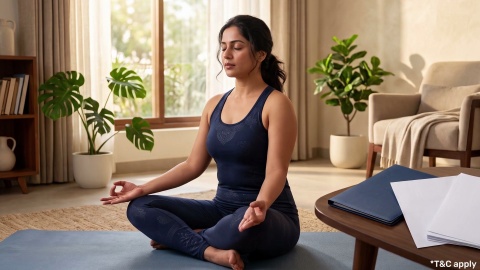
Bhastrika Pranayama Benefits, Steps & How to Do It Correctly
In Summary
Bhastrika Pranayama is a controlled breathing practice that involves forceful inhalation and exhalation in a rhythmic pattern. It may support breathing awareness, alertness, and relaxation when practised with proper technique and within your comfort level.
Key takeaways
- Bhastrika Pranayama uses active inhalation and exhalation in a rhythmic sequence.
- It can help you practise controlled breathing and improve awareness of your breath.
- Regular breathing practices may support relaxation and mental focus.
- Beginners should learn the technique gradually and avoid excessive force or breath retention.
- Practise at a comfortable pace and stop if you experience dizziness, discomfort, or breathlessness.
If you are looking for financial protection against eligible healthcare expenses, a health insurance plan can help cover medical costs, subject to the policy's terms, conditions, exclusions and limits. Check now to explore available options and applicable premiums.
What is Bhastrika Pranayama?
Bhastrika Pranayama is a dynamic yogic breathing practice that uses forceful inhalation and exhalation in a rhythmic pattern. The Sanskrit word Bhastrika means “bellows”, referring to the practice's resemblance to the pumping action of a blacksmith's bellows. Unlike gentle breathing techniques, Bhastrika involves active movement of the breath and requires controlled practice. In traditional yoga, it is also associated with the Manipura (solar plexus) chakra, which is linked to personal power and inner energy in yogic philosophy. With proper technique, Bhastrika may support breath awareness, alertness, and mental focus, but claims that it cures disease, strengthens immunity, or directly improves specific organs require stronger clinical evidence.
Pro tip

Kapal bhati yoga vs bhastrika pranayama: Key differences
Kapal Bhati and Bhastrika Pranayama are both dynamic yogic breathing practices, but their breathing patterns differ. Kapal Bhati emphasises forceful exhalation with passive inhalation, while Bhastrika uses active inhalation and exhalation. The practices can also differ in pace, technique, and intensity. Beginners should learn either practice from a qualified instructor and avoid excessive force.
| Feature | Kapal Bhati | Bhastrika | Typical use |
|---|---|---|---|
| Breathing pattern | Forceful exhalation with passive inhalation | Active, forceful inhalation and exhalation | Kapal Bhati: breath control; Bhastrika: dynamic breathing |
| Main movement | Active abdominal contraction during exhalation | Active movement of the breath during both phases | Depends on the practice |
| Intensity | Usually rhythmic and repetitive | More vigorous and stimulating | Based on experience and comfort |
| Breathing focus | Emphasis on exhalation | Emphasis on both inhalation and exhalation | Controlled breathing practice |
How to perform Bhastrika Pranayama step by step
Practising Bhastrika Pranayama involves controlled, rhythmic inhalation and exhalation. Beginners should start slowly and focus on maintaining a comfortable breathing pattern rather than increasing speed or force. Practise in a quiet space, preferably on an empty stomach, and avoid practising immediately after a heavy meal.
- Get ready: Sit comfortably in Sukhasana or another stable position. Keep your spine upright, shoulders relaxed, and hands resting comfortably on your knees. Close your eyes if comfortable.
- Inhale actively: Breathe in through your nose in a controlled, active manner. Allow your chest and abdomen to expand naturally without forcing the breath.
- Exhale actively: Breathe out through your nose with a controlled, active exhalation. Avoid excessive abdominal force or straining.
- Continue the cycle: Repeat the active inhalation and exhalation at a steady, comfortable rhythm. Beginners can start with around 10–15 breathing cycles and pause if they feel uncomfortable.
- Rest between rounds: Return to normal breathing after each round and allow your breathing to settle before continuing. The number of rounds should depend on your experience and comfort rather than a fixed target.
- Finish gently: After completing the practice, breathe normally for a few moments before opening your eyes or changing position.
If you have pre-existing conditions such as high blood pressure or respiratory problems, consult a qualified healthcare professional before practising Bhastrika Pranayama. You can also review information about pre-existing conditions when planning for healthcare expenses.
Show more
Show less
Popular plans for you


What are the benefits of Bhastrika Pranayama?
Bhastrika Pranayama is a dynamic breathing practice involving active inhalation and exhalation. When practised correctly, it may support controlled breathing, alertness, concentration, and relaxation. The intensity should match your experience, as forceful breathing can cause dizziness or discomfort if performed excessively.
| Benefit | Specific effect |
|---|---|
| Supports breath control | Repeated active inhalation and exhalation encourage greater awareness and control of breathing. |
| May improve alertness | The dynamic nature of the practice can promote a feeling of alertness and mental activation. |
| Supports concentration | Focusing on the breathing rhythm can encourage attention and present-moment awareness. |
| May help manage stress | Controlled breathing may promote relaxation and help you manage everyday stress. |
| Supports respiratory awareness | Coordinating chest, abdominal, and breathing movements can improve awareness of the breathing process. |
| May support relaxation after practice | Returning to normal breathing after the exercise can provide a period of calm and focused breathing. |
Show more
Show less
Different variations of Bhastrika Pranayama
Bhastrika Pranayama can be practised at different breathing speeds depending on your experience, comfort, and ability to maintain controlled breathing. Beginners should start at a slower pace and avoid increasing intensity too quickly.
| Variation | Pace | Typical use |
|---|---|---|
| Slow-paced Bhastrika | Slow, controlled inhalation and exhalation | Beginners learning the breathing pattern |
| Medium-paced Bhastrika | Steady, moderate rhythmic breathing | Practitioners familiar with the basic technique |
| Fast-paced Bhastrika | Rapid, active inhalation and exhalation | Experienced practitioners who can maintain control |
Common mistakes to avoid during Bhastrika Pranayama
Avoiding common technique errors can help you practise Bhastrika Pranayama more comfortably and maintain controlled breathing.
- Poor posture: Sit with your spine upright and shoulders relaxed. Avoid slouching or creating unnecessary tension in the upper body.
- Forcing the breath: Keep inhalations and exhalations controlled. Excessive force can cause dizziness or light-headedness.
- Holding the breath: Avoid unnecessary breath retention unless specifically instructed by a qualified teacher.
- Increasing the pace too quickly: Start slowly and increase intensity only when you can maintain a steady rhythm without discomfort.
- Ignoring health conditions: If you have a heart or respiratory condition, consult a healthcare professional before practising Bhastrika Pranayama.
Who should avoid or modify Bhastrika Pranayama?
Bhastrika Pranayama involves active, forceful breathing, so some people may need to avoid it or modify the practice. If you have a medical condition, consult a healthcare professional before starting, particularly if the practice causes dizziness, breathlessness, or discomfort.
| Condition | Recommendation |
|---|---|
| High blood pressure | Seek medical advice before practising vigorous breathwork and avoid excessive force. |
| Heart conditions | Consult a healthcare professional before practising Bhastrika. |
| Respiratory conditions | Seek professional guidance to determine whether the breathing technique is suitable. |
| Pregnancy | Avoid vigorous abdominal breathing unless specifically cleared and modified by a qualified prenatal yoga professional or healthcare provider. |
| Dizziness or discomfort | Stop the practice, return to normal breathing, and rest. |
Practise at a comfortable intensity and avoid increasing the pace or number of rounds too quickly. Beginners can start with fewer cycles and focus on controlled breathing rather than intensity.
Show more
Show less
Health Insurance in different cities

Health Insurance in Bangalore

Health Insurance in Jaipur

Health Insurance in Pune

Health Insurance in Mumbai

Health Insurance in Kerala
Compare types of Health Insurance Plans
Tax-savings plans for you
What our customer say about us
+ Customers
Play Store Rating
Reviews
Arjun Mehta
13 Jul 2025
I opted for the Health Infinity plan for my parents. The digital onboarding was incredibly fast with no medical tests required since they are under 50. We had a minor daycare procedure last month, and the cashless approval came through in less than 2 hours. Very impressed with the efficiency.
Priya Sharma
28 Feb 2025
The Bajaj Finance Health app is a lifesaver. I use it for my regular OPD consultations and medicine orders. The 10% discount on pharmacy bills and the easy reimbursement for doctor visits make it much more than just a 'hospitalization' policy. It’s daily health support.
Sneha Kapoor
15 Mar 2025
Switched my family floater to Bajaj General this year. The network of hospitals in my city (Pune) is excellent. The only downside was a slight delay in getting my physical card, but the digital copy on the app works everywhere. The 'Wellness Rewards' for hitting step goals is a cool touch!
Conclusion
Bhastrika Pranayama is a dynamic breathing practice that involves active inhalation and exhalation. When practised with proper technique, it may support breath awareness, alertness, concentration, and relaxation. Beginners should start at a comfortable pace and avoid excessive force or intensity.
Regular breathing practice can be included in a daily wellness routine, provided it is suitable for your individual health needs. If you experience dizziness, breathlessness, or discomfort, stop the practice and return to normal breathing. Check premium to explore available health insurance options and applicable premiums for eligible healthcare expenses.
| Also Read | ||
| Health Benefits of Hatha Yoga | Health Benefits Of Padmasana | Health Benefits Of Tadasana |
Explore and stay informed
Can you buy health insurance on EMI
Why buy health insurance
Health Insurance for family
Health Insurance Claim settlement ratio
Health Insurance waiting period
Importance of health insurance
Health Insurance for Senior Citizens
Health Insurance tax benefits
Health Insurance for parents
Health Insurance premium calculator
Health Insurance for Other Diseases

Antral Gastritis

Hepatomegaly Symptoms Causes & Treatment

Blood Pressure Range

PCOS Causes and Symptoms

Health insurance for Obesity
Frequently asked questions
Frequently Asked Questions
Can Bhastrika Pranayama help with stress and anxiety?
Bhastrika may help promote relaxation and focused breathing, which can support stress management for some people. However, it should not be considered a treatment for anxiety disorders. Practise gently and stop if breathing causes discomfort.
Which is better: Kapalbhati or Bhastrika?
Neither is universally better. Kapalbhati emphasises forceful exhalation with passive inhalation, while Bhastrika uses active inhalation and exhalation. The suitable practice depends on your experience, health needs, breathing technique, and comfort.
How do you perform Bhastrika Pranayama?
Step-by-step guide:
- Sit Comfortably: Choose a cross-legged position (like Sukhasana or Padmasana) with your spine straight and shoulders relaxed.
- Close Your Eyes: Rest your hands on your knees, palms facing upward.
- Inhale Deeply: Breathe in forcefully through your nose, expanding your lungs using your abdominal muscles.
- Exhale Forcefully: Immediately exhale through your nose with equal force, contracting your abdominal muscles.
- Repeat the Cycle: Perform rapid inhalation and exhalation at a steady pace for 10–15 rounds.
- Pause and Breathe Normally: After each set, rest and resume normal breathing. Complete 3–5 rounds depending on your comfort.
How long does it take to see the benefits of practising Bhastrika Pranayama?
There is no fixed timeframe for experiencing benefits from Bhastrika Pranayama. Some people may notice changes in alertness or relaxation after practice, while longer-term effects vary. Consistency and proper technique are more important than a specific timeline.
Are there any side effects of practising Bhastrika Pranayama incorrectly?
Incorrect or overly forceful practice may cause dizziness, light-headedness, breathlessness, or discomfort. These symptoms can occur when breathing is too rapid or intense. Stop practising, return to normal breathing, and seek guidance if symptoms persist.
Is it safe to practise Bhastrika Pranayama during pregnancy?
Vigorous Bhastrika Pranayama should not be practised during pregnancy without guidance from a qualified prenatal yoga professional or healthcare provider. Pregnancy can require breathing-practice modifications, so individual advice is appropriate before starting.
How many times should I do Bhastrika Pranayama daily?
There is no universally appropriate number of daily sessions. Beginners can start with a small number of comfortable breathing cycles and gradually adjust based on experience. Avoid excessive intensity or repetition, and follow qualified instruction when learning the technique.








Articles and Insights



Disclaimer
*T&C Apply - Bajaj Finance Limited (‘BFL’) is a registered corporate agent of third party insurance products of Bajaj Allianz Life Insurance Company Limited, HDFC Life Insurance Company Limited, Life Insurance Corporation of India (LIC), Bajaj Allianz General Insurance Company Limited, SBI General Insurance Company Limited, ACKO General Insurance Company Limited, HDFC ERGO General Insurance Company, TATA AIG General Insurance Company Limited, ICICI Lombard General Insurance Company Limited, New India Assurance Limited, Chola MS General Insurance Company Limited, Zurich Kotak General Insurance Co. Limited , Star Health & Allied Insurance Co. Limited, Care Health Insurance Company Limited, Niva Bupa Health Insurance Company Limited , Aditya Birla Health Insurance Company Limited and Manipal Cigna Health Insurance Company Limited under the IRDAI composite CA registration number CA0101. Please note that, BFL does not underwrite the risk or act as an insurer. Your purchase of an insurance product is purely on a voluntary basis after your exercise of an independent due diligence on the suitability, viability of any insurance product. Any decision to purchase insurance product is solely at your own risk and responsibility and BFL shall not be liable for any loss or damage that any person may suffer, whether directly or indirectly. Please refer insurer's website for Policy Wordings. For more details on risk factors, terms and conditions and exclusions please read the product sales brochure carefully before concluding a sale. Tax benefits applicable if any, will be as per the prevailing tax laws. Tax laws are subject to change. Tax laws are subject to change. BFL does NOT provide Tax/Investment advisory services. Please consult your advisors before proceeding to purchase an insurance product. Visitors are hereby informed that their information submitted on the website may also be shared with insurers. BFL is also a distributor of other third-party products from Assistance Services providers such as CPP Assistance Services Pvt. Ltd., Bajaj Finance Health Ltd. etc. All product information such as premium, benefits, exclusions, sum insured, value added services, etc. are authentic and solely based on the information received from the respective insurance company or the respective Assistance service provider company.
Note – While we have made all efforts and taken utmost care in gathering precise information about the products, features, benefits, etc. However, BFL cannot be held liable for any direct or indirect damage/loss. We request our customers to conduct their research about these products and refer to the respective product’s sales brochures before concluding their sale.