






Health insurance goes beyond hospitalization—it covers OPD visits, medicines, ambulance charges, preventive checkups, and even alternative treatments, giving you all-around financial security.

Check health insurance plans with comprehensive coverage
Get Quote
Health plans from leading insurers | Comprehensive coverage | Offers multiple optional add-ons to enhance coverage
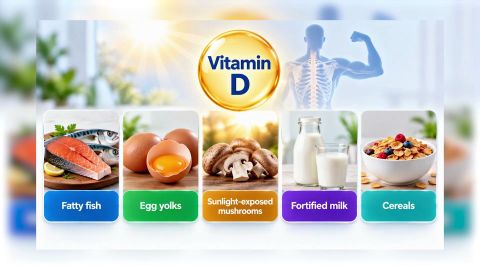
Top Nutritious Foods That Are High in Vitamin D
In summary
Vitamin D, often called the “sunshine vitamin,” is an essential nutrient that supports bone health, calcium absorption and normal immune function. In India, Vitamin D deficiency is common and may occur due to limited sun exposure and inadequate dietary intake. Including Vitamin D-rich foods, appropriate sunlight exposure and supplements when recommended can help maintain adequate Vitamin D levels.
Key points
- Vitamin D supports bone health and calcium absorption.
- Limited sun exposure and low dietary intake may contribute to Vitamin D deficiency.
- Fatty fish, egg yolks and fortified foods can provide Vitamin D.
- Vitamin D supplements may be recommended when dietary intake and sun exposure are insufficient.
- Maintaining adequate Vitamin D levels supports overall nutritional health.
Include Vitamin D-rich foods in a balanced diet and consult a healthcare professional if you are concerned about deficiency. Check premium health insurance plans for coverage that may support eligible consultations, diagnostic tests and treatment.
Which foods are naturally high in vitamin D?
Vitamin D-rich foods can help support dietary intake, particularly when sunlight exposure is limited. Include these options as part of a balanced diet:
- Fatty fish: Fatty fish such as salmon, mackerel and tuna are among the richest natural food sources of Vitamin D. They also provide protein and omega-3 fatty acids, making them a nutrient-dense addition to a balanced diet.
- Herring and sardines: Herring and sardines provide Vitamin D along with protein and omega-3 fatty acids. Fresh, canned or appropriately prepared varieties can be included in meals to increase dietary Vitamin D intake.
- Cod liver oil: Cod liver oil is a concentrated source of Vitamin D and also provides Vitamin A and omega-3 fatty acids. Because it can provide substantial amounts of these nutrients, use it according to recommended serving amounts or professional advice.
- Canned tuna: Canned tuna is a convenient source of Vitamin D and protein. Its shelf-stable nature makes it an easy option for adding Vitamin D to everyday meals when fresh fish is not readily available.
- Eggs: Egg yolks contain Vitamin D, although the amount is generally lower than in fatty fish. Including whole eggs in a balanced diet can contribute to overall Vitamin D intake while also providing protein and other nutrients.
- Mushrooms: Mushrooms exposed to ultraviolet light can provide Vitamin D and are a useful option for people following vegetarian or vegan diets. Check product labels where available, as Vitamin D content varies between mushroom varieties and growing methods.
Vitamin D-fortified foods: Fortified foods such as milk, plant-based milk alternatives, cereals and some juices can provide Vitamin D. Check nutrition labels to identify products that contain added Vitamin D and compare their amounts when planning your diet.
Pro tip

How vitamin D-rich foods support bone and immune health?
Vitamin D plays an important role in bone health, calcium absorption, immune function and muscle health. Here’s how:
- Calcium absorption – Vitamin D helps the body absorb calcium, supporting healthy bones and teeth.
- Bone mineralisation – Vitamin D supports bone mineralisation and helps maintain bone strength, reducing the risk of conditions such as rickets and osteomalacia when adequate levels are maintained.
- Immune modulation – Vitamin D contributes to normal immune system function and helps regulate immune responses.
- Cell growth regulation – Vitamin D is involved in cell growth and differentiation and may have a role in pathways associated with chronic diseases.
Muscle health – Adequate Vitamin D levels support normal muscle function and help maintain muscle strength.
Vitamin D supplements: When to consider them
When dietary intake is insufficient, Vitamin D supplements may help maintain adequate Vitamin D levels when recommended by a healthcare professional. Consider these options:
- Cholecalciferol (Vitamin D3) – A commonly used form of Vitamin D that can help treat or prevent deficiency when taken at an appropriate dose.
- Ergocalciferol (Vitamin D2) – Another form of Vitamin D that may be used to address deficiency and can be suitable for people following plant-based diets, depending on the product.
- Vitamin D gummies – A convenient supplement format that may be easier to take, particularly for children when age-appropriate and recommended.
- Multivitamins with Vitamin D – A convenient option for people who need Vitamin D along with other essential vitamins and minerals.
Fortified powders – Powdered products containing Vitamin D can be mixed into suitable foods or beverages, depending on the product instructions.
Popular plans for you


How much vitamin D do you need daily?
Your daily Vitamin D requirement varies by age and life stage. The following values provide a general guide to the recommended daily intake:
| Age Group | Daily Requirement | Notes |
|---|---|---|
| Infants (0–12 months) | 10 mcg (400 IU) | Vitamin D supports healthy bone development during infancy. |
| Children and adults (1–70 years) | 15 mcg (600 IU) | Supports normal bone health and calcium absorption. |
| Adults over 70 years | 20 mcg (800 IU) | Older adults generally need more vitamin D to support bone health. |
| Pregnant and breastfeeding women | 15 mcg (600 IU) | Adequate vitamin D intake supports maternal and infant nutritional needs. |
How to incorporate more vitamin D into your diet?
Increasing Vitamin D intake requires mindful dietary adjustments. Focus on foods rich in Vitamin D and consider these simple strategies:
- Consume fatty fish weekly – Include salmon, mackerel or other Vitamin D-rich fish in your meals as a dietary source of Vitamin D.
- Add eggs to meals – Include whole eggs regularly, as egg yolks provide Vitamin D along with other nutrients.
- Choose fortified products – Opt for Vitamin D-fortified milk, plant-based alternatives, cereals or juices, and check nutrition labels for the amount provided.
- Cook with mushrooms – Include mushrooms that provide Vitamin D, particularly varieties exposed to ultraviolet light, in curries, stir-fries or other meals.
Use supplements wisely – If dietary intake is insufficient, consult a healthcare professional about whether Vitamin D supplements are appropriate for you.
What foods are highest in vitamin D3?
Vitamin D3 is found mainly in animal-based foods such as fatty fish, eggs and some fortified dairy products. Vitamin D2 is primarily found in certain mushrooms and is also used to fortify some foods. Both forms help maintain Vitamin D levels, although D3 is generally more effective at raising blood levels. Plant-based foods naturally provide little Vitamin D, so fortified options can be useful.
| Food | Vitamin D Type | IU per Serving |
|---|---|---|
| Salmon | D3 | 383 IU |
| Sardines | D3 | 178 IU |
| Dairy milk | D3 | 124 IU |
| Eggs | D3 | 43.5 IU |
| Mushrooms | D2 | 40.6 IU |
| Fortified cereal | D2/D3 | 40 IU |
Health Insurance in different cities

Health Insurance in Bangalore

Health Insurance in Jaipur

Health Insurance in Pune

Health Insurance in Mumbai

Health Insurance in Kerala
Compare types of Health Insurance Plans
Tax-savings plans for you
What our customer say about us
+ Customers
Play Store Rating
Reviews
Arjun Mehta
13 Jul 2025
I opted for the Health Infinity plan for my parents. The digital onboarding was incredibly fast with no medical tests required since they are under 50. We had a minor daycare procedure last month, and the cashless approval came through in less than 2 hours. Very impressed with the efficiency.
Priya Sharma
28 Feb 2025
The Bajaj Finance Health app is a lifesaver. I use it for my regular OPD consultations and medicine orders. The 10% discount on pharmacy bills and the easy reimbursement for doctor visits make it much more than just a 'hospitalization' policy. It’s daily health support.
Sneha Kapoor
15 Mar 2025
Switched my family floater to Bajaj General this year. The network of hospitals in my city (Pune) is excellent. The only downside was a slight delay in getting my physical card, but the digital copy on the app works everywhere. The 'Wellness Rewards' for hitting step goals is a cool touch!
Who is at risk of vitamin D deficiency?
Certain people have a higher risk of Vitamin D deficiency because they may produce less Vitamin D from sunlight, consume fewer dietary sources or have difficulty absorbing it. Knowing these risk factors can help people discuss appropriate testing and supplementation with a healthcare professional.
| Risk Group | Why They May Be at Risk |
|---|---|
| Older adults | Skin produces vitamin D less efficiently with age. |
| Limited sun exposure | Less sunlight reduces vitamin D production in the skin. |
| Darker skin | Higher melanin levels can reduce vitamin D production from sunlight. |
| Malabsorption conditions | Some digestive disorders can reduce vitamin D absorption. |
| Obesity | Vitamin D may become less available in circulation. |
Conclusion
Vitamin D plays an important role in bone health, calcium absorption, muscle function and normal immune function. Getting enough Vitamin D through dietary sources, appropriate sunlight exposure and supplements when recommended can help maintain adequate levels. Including Vitamin D-rich foods such as fatty fish, eggs, mushrooms and fortified products can contribute to daily intake.
While a balanced diet supports nutritional health, having health insurance can provide financial support for eligible medical consultations, diagnostic tests and treatments when required.
Make informed dietary choices and consider health insurance coverage to support your healthcare needs and overall well-being.
Health And Wellness
Explore and stay informed
Can you buy health insurance on EMI
Why buy health insurance
Health Insurance for family
Health Insurance Claim settlement ratio
Health Insurance waiting period
Importance of health insurance
Health Insurance for Senior Citizens
Health Insurance tax benefits
Health Insurance for parents
Health Insurance premium calculator
Health Insurance for Other Diseases

Antral Gastritis

Hepatomegaly Symptoms Causes & Treatment

Blood Pressure Range

PCOS Causes and Symptoms

Health insurance for Obesity
Frequently Asked Questions
Know More About Vitamin D Food
What are the ideal food sources of vitamin D?
Fatty fish such as salmon, mackerel and sardines are among the richest natural sources of Vitamin D. Egg yolks and Vitamin D-fortified foods, including milk and cereals, can also contribute to dietary intake.
How much vitamin D do I need daily?
Daily Vitamin D requirements vary by age. Most adults aged 19–70 years need 15 mcg (600 IU) daily, while adults over 70 generally need 20 mcg (800 IU). Individual needs may differ based on health factors.
Can vitamin D supplements replace food sources?
Vitamin D supplements can help meet nutritional requirements when dietary intake is inadequate or deficiency is diagnosed. However, they should not automatically replace Vitamin D-rich foods. A healthcare professional can advise whether supplementation is appropriate and determine the suitable dose.
How does vitamin D benefit my overall health?
Vitamin D helps the body absorb calcium and supports healthy bones and teeth. It also contributes to normal muscle and immune function. Maintaining adequate Vitamin D levels is important for overall nutritional health and normal body functions.
What foods are highest in Vitamin D?
Fatty fish, including salmon, mackerel and sardines, generally provide substantial amounts of Vitamin D. Fortified milk, cereals and other fortified products can also contribute. Egg yolks and mushrooms exposed to ultraviolet light provide additional dietary sources.
Do eggs have Vitamin D?
Yes, egg yolks contain Vitamin D, although the amount is generally lower than in fatty fish. Including whole eggs as part of a balanced diet can contribute to overall Vitamin D intake along with protein and other nutrients.
What are some factors affecting Vitamin D absorption
Several factors can influence how well your body absorbs Vitamin D:
- Sun exposure – Limited sunlight reduces natural Vitamin D synthesis.
- Age – Older adults produce less Vitamin D from sunlight.
- Skin type – Darker skin requires longer sun exposure.
- Dietary fat intake – Since Vitamin D is fat-soluble, low-fat diets may hinder absorption.
- Health conditions – Issues like obesity, celiac disease, or liver disorders can reduce absorption.
How to increase D3 in veg?
Natural Vitamin D3 sources are mainly animal-based, so plant-based diets may provide limited D3. Vegetarians can consider fortified milk or foods, while some UV-exposed mushrooms provide Vitamin D2. Supplements may be considered when recommended by a healthcare professional.
Is vitamin D3 present in curd?
Curd is not naturally a significant source of Vitamin D3. However, some commercially available curd or yoghurt products may be fortified with Vitamin D. Check the nutrition label to determine whether the product contains added Vitamin D.
Which nuts are rich in vitamin D?
Nuts are generally not significant natural sources of Vitamin D. Almonds, walnuts and cashews can provide other nutrients, but they should not be relied upon to meet Vitamin D requirements. Choose fortified foods or other dietary sources instead.





Articles and Insights


Disclaimer
*T&C Apply - Bajaj Finance Limited (‘BFL’) is a registered corporate agent of third party insurance products of Bajaj Allianz Life Insurance Company Limited, HDFC Life Insurance Company Limited, Life Insurance Corporation of India (LIC), Bajaj Allianz General Insurance Company Limited, SBI General Insurance Company Limited, ACKO General Insurance Company Limited, HDFC ERGO General Insurance Company, TATA AIG General Insurance Company Limited, ICICI Lombard General Insurance Company Limited, New India Assurance Limited, Chola MS General Insurance Company Limited, Zurich Kotak General Insurance Co. Limited , Star Health & Allied Insurance Co. Limited, Care Health Insurance Company Limited, Niva Bupa Health Insurance Company Limited , Aditya Birla Health Insurance Company Limited and Manipal Cigna Health Insurance Company Limited under the IRDAI composite CA registration number CA0101. Please note that, BFL does not underwrite the risk or act as an insurer. Your purchase of an insurance product is purely on a voluntary basis after your exercise of an independent due diligence on the suitability, viability of any insurance product. Any decision to purchase insurance product is solely at your own risk and responsibility and BFL shall not be liable for any loss or damage that any person may suffer, whether directly or indirectly. Please refer insurer's website for Policy Wordings. For more details on risk factors, terms and conditions and exclusions please read the product sales brochure carefully before concluding a sale. Tax benefits applicable if any, will be as per the prevailing tax laws. Tax laws are subject to change. Tax laws are subject to change. BFL does NOT provide Tax/Investment advisory services. Please consult your advisors before proceeding to purchase an insurance product. Visitors are hereby informed that their information submitted on the website may also be shared with insurers. BFL is also a distributor of other third-party products from Assistance Services providers such as CPP Assistance Services Pvt. Ltd., Bajaj Finance Health Ltd. etc. All product information such as premium, benefits, exclusions, sum insured, value added services, etc. are authentic and solely based on the information received from the respective insurance company or the respective Assistance service provider company.
Note – While we have made all efforts and taken utmost care in gathering precise information about the products, features, benefits, etc. However, BFL cannot be held liable for any direct or indirect damage/loss. We request our customers to conduct their research about these products and refer to the respective product’s sales brochures before concluding their sale.