







Health insurance goes beyond hospitalization—it covers OPD visits, medicines, ambulance charges, preventive checkups, and even alternative treatments, giving you all-around financial security.

Check health insurance plans with comprehensive coverage
Get Quote
Health plans from leading insurers | Comprehensive coverage | Offers multiple optional add-ons to enhance coverage

Benefits of Health Insurance Why You Need a Policy
Summary
Insurance policies in India provide financial protection against specific risks, subject to the terms and conditions of each policy. Six common categories are life, health, motor, travel, personal accident and property insurance. Each serves a different purpose, from supporting dependants after the policyholder’s death to helping manage eligible hospitalisation expenses or vehicle damage.
Before buying a policy, compare its coverage, premium, exclusions, waiting periods, deductibles and claim process. Health insurance buyers should also check co-payments, sub-limits and the hospital network. The Insurance Regulatory and Development Authority of India (IRDAI) provides consumer guidance to help policyholders understand these details. Motor third-party liability insurance is mandatory for vehicles plying on public roads in India. Assess your financial responsibilities and the risks you want to cover before selecting a policy.
Key takeaways
- Life insurance can provide financial support to dependants after the insured person's death, depending on the policy.
- Health insurance can cover eligible medical expenses according to the policy terms.
- Motor third-party liability insurance is mandatory for vehicles used on public roads in India.
- Travel, personal accident and property insurance address different risks.
- Compare benefits, exclusions, limits and premiums rather than choosing a policy on price alone.
Choosing suitable insurance starts with understanding what you need to protect. Review the policy wording and compare plans before making a decision.
Pro tip
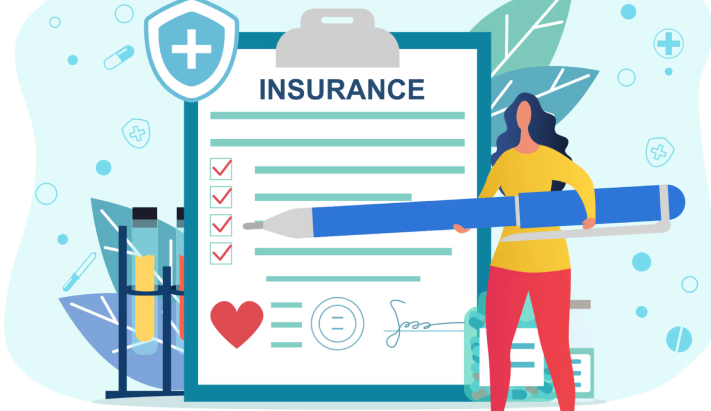
What are insurance policies in India?
Insurance policies in India are contracts between an insurer and a policyholder. The policyholder pays a premium, and the insurer provides the specified financial benefit or coverage when a covered event occurs, subject to the policy's conditions.
The type of protection depends on the insurance product. For example, life insurance may provide a death benefit to a nominee, while health insurance may pay eligible medical expenses. Property insurance may cover specified losses or damage to insured assets.
Insurance does not automatically cover every loss. Exclusions, waiting periods, deductibles, coverage limits and other conditions determine whether a claim is payable.
Popular plans for you



What are the different types of insurance policies in India?
The main types of insurance policies in India include life, health, motor, travel, personal accident and property insurance. Some products protect against financial loss following a specific event, while others provide benefits linked to life events or long-term financial goals.
| Type of insurance | Primary purpose | Who may consider it? |
|---|---|---|
| Life insurance | Provides a death benefit or other policy-defined benefits | People with financial dependants or long-term protection needs |
| Health insurance | Covers eligible healthcare expenses or pays defined benefits | Individuals and families planning for medical costs |
| Motor insurance | Covers specified third-party liabilities and, where selected, damage to the insured vehicle | Vehicle owners |
| Travel insurance | Covers specified risks associated with a trip | Domestic and international travellers |
| Personal accident insurance | Provides defined benefits for covered accidental injury, disability or death | People seeking additional accident-related protection |
| Property insurance | Covers specified risks affecting insured buildings or belongings | Homeowners, property owners and eligible tenants |
The availability, exclusions and benefits of each product vary by insurer and policy. Read the policy documents before purchasing.
What is life insurance and who needs it?
Life insurance provides financial protection linked to the life of the insured person. Depending on the product, it may pay a death benefit to the nominee or provide other benefits specified in the contract.
Life insurance can be useful when someone depends on your income to meet household expenses, repay loans or fund future goals. The appropriate policy depends on your responsibilities, financial commitments, budget and protection requirements.
Common types of life insurance include:
- Term life insurance: Primarily provides life cover for a defined policy term. A death benefit is payable if the insured event occurs during the covered term, subject to the policy conditions.
- Whole life insurance: May provide life cover for a longer period, potentially for the insured person's lifetime, as defined in the policy.
- Endowment plans: Combine life cover with a savings component and may pay a benefit on maturity, depending on the product.
- Unit-linked insurance plans (ULIPs): Combine life insurance with market-linked investment options. Returns are not guaranteed and depend on fund performance and policy charges.
What is health insurance and what does it cover?
Health insurance helps manage eligible healthcare expenses arising from illness, injury or hospitalisation, depending on the policy. Some policies reimburse admissible expenses or facilitate cashless treatment at eligible network hospitals, while benefit-based products pay a specified amount when the defined conditions are met.
Common health insurance options include:
- Individual health insurance: Provides coverage for one insured person under the selected policy.
- Family floater health insurance: Covers multiple eligible family members under a shared sum insured that any covered member may use, subject to the policy.
- Senior citizen health insurance: Designed for older applicants, with eligibility and benefits determined by the product.
- Critical illness insurance: May pay a predefined benefit if the insured person is diagnosed with a covered critical illness and meets the policy conditions.
- Personal accident cover: May provide specified benefits for covered accidental death or disability. It is distinct from standard medical expense coverage unless the policy includes such benefits.
Some health insurance policies include benefits such as pre- and post-hospitalisation expenses, day-care procedures, ambulance services or maternity cover. These benefits are not universal and may have waiting periods, limits or exclusions.
The IRDAI advises buyers to review the policy's exclusions, waiting periods, co-payments, sub-limits, room rent limits and eligible hospital network. It also recommends disclosing pre-existing medical conditions accurately. (Last reviewed, 19 October, 2026)
Planning for medical expenses? Check now to compare health insurance plans and review their coverage, benefits and applicable terms and conditions. Coverage depends on the selected policy, including its waiting periods, limits and exclusions.
Health Insurance in different cities

Health Insurance in Bangalore

Health Insurance in Jaipur

Health Insurance in Pune

Health Insurance in Mumbai

Health Insurance in Kerala
Compare types of Health Insurance Plans
Tax-savings plans for you
What our customer say about us
+ Customers
Play Store Rating
Reviews
Arjun Mehta
13 Jul 2025
I opted for the Health Infinity plan for my parents. The digital onboarding was incredibly fast with no medical tests required since they are under 50. We had a minor daycare procedure last month, and the cashless approval came through in less than 2 hours. Very impressed with the efficiency.
Priya Sharma
28 Feb 2025
The Bajaj Finance Health app is a lifesaver. I use it for my regular OPD consultations and medicine orders. The 10% discount on pharmacy bills and the easy reimbursement for doctor visits make it much more than just a 'hospitalization' policy. It’s daily health support.
Sneha Kapoor
15 Mar 2025
Switched my family floater to Bajaj General this year. The network of hospitals in my city (Pune) is excellent. The only downside was a slight delay in getting my physical card, but the digital copy on the app works everywhere. The 'Wellness Rewards' for hitting step goals is a cool touch!
What does travel insurance cover?
Travel insurance can provide financial protection against specified problems during a trip. Depending on the plan, it may cover eligible emergency medical expenses, trip cancellation or interruption, baggage loss, travel delays or loss of travel documents.
Coverage varies between domestic and international plans. Some destinations, visa requirements or travel arrangements may have specific insurance requirements, so check these before departure.
Before purchasing travel insurance, review:
- The maximum medical expense limit and emergency assistance provisions.
- Whether pre-existing medical conditions are covered or excluded.
- The conditions for trip cancellation and interruption claims.
- Baggage and personal belongings limits.
- Exclusions relating to activities, destinations or circumstances.
- The process for contacting the insurer during an emergency.
Do not assume that every delay, cancellation or medical expense is covered. The event must meet the policy's terms and claim conditions.
What are the types of motor insurance in India?
Motor insurance protects against specified liabilities and, if selected, damage to the insured vehicle. In India, third-party liability insurance is mandatory for vehicles plying on public roads, according to the IRDAI's motor insurance guidance.
The common options include:
- Third-party insurance: Covers specified legal liabilities for injury, death or property damage caused to a third party, subject to the policy and applicable law. It does not ordinarily cover damage to your own vehicle.
- Own-damage insurance: Covers specified damage to the insured vehicle, subject to exclusions and policy conditions. It is generally purchased alongside the required third-party cover.
- Comprehensive or package insurance: Combines third-party liability cover with own-damage cover under the selected policy.
- Standalone own-damage cover: Covers specified damage to your vehicle and is intended to be paired with valid third-party insurance.
The premium and suitable cover depend on factors such as the vehicle, selected coverage, location, claims history and applicable rating rules. Check deductibles, exclusions, add-on conditions and the claim process before buying.
What is personal accident insurance?
Personal accident insurance provides defined benefits for specified outcomes arising from a covered accident. Depending on the policy, these may include accidental death, permanent disability or temporary disability benefits.
It may be considered by people who want additional financial protection against accident-related consequences. However, benefits vary by product, and a personal accident policy is not automatically a substitute for health insurance or life insurance.
Check the definitions of covered accidents, disability classifications, exclusions, benefit amounts and claim documentation requirements before buying.
Explore and stay informed
Can you buy health insurance on EMI
Why buy health insurance
Health Insurance for family
Health Insurance Claim settlement ratio
Health Insurance waiting period
Importance of health insurance
Health Insurance for Senior Citizens
Health Insurance tax benefits
Health Insurance for parents
Health Insurance premium calculator
What factors affect insurance premiums in India?
Insurance premiums vary according to the type of policy, the insurer's pricing approach and the risk being insured. The factors that matter for one product may not apply to another.
| Insurance type | Factors that may affect premiums |
|---|---|
| Life insurance | Age, health and lifestyle disclosures, sum assured, policy term and product features |
| Health insurance | Age, selected sum insured, coverage, medical history where relevant, location and policy terms |
| Motor insurance | Vehicle details, location, selected cover, insured declared value where applicable, claims history and add-ons |
| Travel insurance | Destination, trip duration, traveller details, coverage limits and selected benefits |
| Personal accident insurance | Benefit amount, occupation or risk classification where applicable, and product terms |
| Property insurance | Insured value, property characteristics, location, selected risks and deductibles |
These are general considerations, not a universal premium formula. The insurer's underwriting and pricing rules determine the final premium. Compare plans alongside the coverage and exclusions they offer.
What should you check before buying an insurance policy?
Read the policy wording and product information before paying the premium. The IRDAI's consumer guidance highlights the importance of understanding coverage, exclusions, limitations and claim procedures.
Check the following details:
- Coverage: What events, expenses or benefits are included?
- Exclusions: Which events, conditions or expenses are not covered?
- Waiting periods: When does cover begin for specified conditions or benefits?
- Deductibles and co-payments: What amount or share must you pay?
- Sub-limits: Are there caps on particular treatments, expenses or benefits?
- Renewal conditions: When must you renew, and what conditions apply?
- Claims process: What documents and timelines are required?
- Customer Information Sheet: Does the summary match your understanding of the policy?
Keep a copy of your policy, premium receipts, proposal details and relevant correspondence. Provide complete and accurate information in the application, and contact the insurer for clarification if a clause is unclear.
Health Insurance for Other Diseases

Antral Gastritis

Hepatomegaly Symptoms Causes & Treatment

Blood Pressure Range

PCOS Causes and Symptoms

Health insurance for Obesity
Why is health insurance important for financial planning?
Health insurance can help manage eligible medical expenses and reduce the need to rely entirely on savings during a covered medical event. The level of protection depends on the sum insured, benefits, exclusions, waiting periods and limits in the chosen policy.
When comparing health insurance plans, consider your household's healthcare needs, existing employer-provided cover, preferred hospitals and ability to pay the premium over time. An employer policy may have eligibility or employment-related conditions, so review whether you need additional individual coverage.
No policy guarantees that every medical expense will be paid. Review the policy wording carefully and understand how claims are assessed.
Check now to compare health insurance options and understand the coverage, benefits and applicable conditions before choosing a plan.
Frequently Asked Questions
Types and coverage
Terms and benefits
What are the main types of insurance policies in India?
The main types of insurance policies in India include life insurance, health insurance, motor insurance, travel insurance, home insurance and personal accident insurance. Each policy covers specific risks, subject to its terms and conditions.
Which is the ideal health insurance policy in India for a family?
A suitable family health insurance policy depends on your family size, ages, medical history, budget and healthcare needs. Compare the sum insured, waiting periods, exclusions, co-payments and network hospitals before selecting a plan.
What is the difference between general insurance and life insurance?
Life insurance provides a death benefit to the nominee or beneficiary, subject to policy terms. General insurance covers specified risks involving health, vehicles, travel or property. Coverage, benefits and claim conditions vary by policy type.
How much health insurance cover is enough in India?
The required health insurance cover depends on your location, family size, age, medical history and potential treatment costs. Consider hospital expenses, existing coverage and future healthcare needs when deciding the sum insured.
What is the waiting period in health insurance?
A waiting period is the specified time during which certain conditions or treatments are not covered under a health insurance policy. The duration varies by policy and benefit, so review the policy wording before purchasing.
What tax benefits do I get on insurance premiums in India?
Eligible life and health insurance premiums may qualify for tax deductions under applicable provisions, subject to prescribed limits and conditions. Eligibility depends on the policy, taxpayer category and chosen tax regime. Check current income tax rules before claiming deductions.
What is the claim settlement ratio and how do I check it?
The claim settlement ratio indicates the proportion of claims settled by an insurer during a specified period. Check the insurer’s published disclosures and relevant Insurance Regulatory and Development Authority of India (IRDAI) reports, while also reviewing claim amounts and settlement conditions.







Articles and Insights


Disclaimer
*T&C Apply - Bajaj Finance Limited (‘BFL’) is a registered corporate agent of third party insurance products of Bajaj Allianz Life Insurance Company Limited, HDFC Life Insurance Company Limited, Life Insurance Corporation of India (LIC), Bajaj Allianz General Insurance Company Limited, SBI General Insurance Company Limited, ACKO General Insurance Company Limited, HDFC ERGO General Insurance Company, TATA AIG General Insurance Company Limited, ICICI Lombard General Insurance Company Limited, New India Assurance Limited, Chola MS General Insurance Company Limited, Zurich Kotak General Insurance Co. Limited , Star Health & Allied Insurance Co. Limited, Care Health Insurance Company Limited, Niva Bupa Health Insurance Company Limited , Aditya Birla Health Insurance Company Limited and Manipal Cigna Health Insurance Company Limited under the IRDAI composite CA registration number CA0101. Please note that, BFL does not underwrite the risk or act as an insurer. Your purchase of an insurance product is purely on a voluntary basis after your exercise of an independent due diligence on the suitability, viability of any insurance product. Any decision to purchase insurance product is solely at your own risk and responsibility and BFL shall not be liable for any loss or damage that any person may suffer, whether directly or indirectly. Please refer insurer's website for Policy Wordings. For more details on risk factors, terms and conditions and exclusions please read the product sales brochure carefully before concluding a sale. Tax benefits applicable if any, will be as per the prevailing tax laws. Tax laws are subject to change. Tax laws are subject to change. BFL does NOT provide Tax/Investment advisory services. Please consult your advisors before proceeding to purchase an insurance product. Visitors are hereby informed that their information submitted on the website may also be shared with insurers. BFL is also a distributor of other third-party products from Assistance Services providers such as CPP Assistance Services Pvt. Ltd., Bajaj Finance Health Ltd. etc. All product information such as premium, benefits, exclusions, sum insured, value added services, etc. are authentic and solely based on the information received from the respective insurance company or the respective Assistance service provider company.
Note – While we have made all efforts and taken utmost care in gathering precise information about the products, features, benefits, etc. However, BFL cannot be held liable for any direct or indirect damage/loss. We request our customers to conduct their research about these products and refer to the respective product’s sales brochures before concluding their sale.