








Rs. 2 lakh – Rs. 80 lakh
Check your pre-approved doctor loan
Enter mobile and OTP | Check offer | Know your exact loan terms
In summary

Hospital Registration Process
- Hospital registration involves choosing a legal structure, securing suitable premises, obtaining required licences and registrations
- The process includes planning the hospital, registering the entity, obtaining local and healthcare-related approvals, and setting up infrastructure
- Costs vary depending on the hospital's size, location, specialities, infrastructure, equipment, and staffing requirements
- Common funding options include personal savings, business loans, working capital facilities, and loans for medical professionals
- A well-prepared business plan, projected expenses, required approvals, and financial records can help when applying for business financing
What is hospital registration?
-
Hospital registration is the process of obtaining the registrations, licences, and approvals required to legally establish and operate a hospital or healthcare facility. The exact requirements can vary depending on the location, type of facility, number of beds, medical services offered, and applicable state and local regulations. Before starting operations, hospital owners generally need to establish the business structure, arrange suitable premises, meet building and safety requirements, and obtain approvals applicable to the services being provided.
How to register a hospital - Step-by-step process
The following steps provide a general overview. Exact requirements may differ across states and depending on the type of healthcare facility.
| Step | What to do |
|---|---|
| 1. Decide the hospital structure | Decide whether the hospital will operate as a proprietorship, partnership, LLP, private limited company, trust, society, or another permitted structure. |
| 2. Prepare a business plan | Define the hospital's specialities, number of beds, target patients, location, staffing requirements, equipment, expected expenses, and projected revenue. |
| 3. Select and prepare the premises | Choose a suitable location and ensure that the building meets applicable zoning, fire safety, sanitation, accessibility, and other local requirements. |
| 4. Complete business registration | Register the entity and obtain applicable tax and business registrations based on the chosen structure and operations. |
| 5. Obtain healthcare-related registrations and licences | Apply for registrations and approvals applicable to the hospital and its proposed services. Requirements may include clinical establishment registration and other service-specific licences. |
| 6. Set up infrastructure and equipment | Arrange medical equipment, beds, emergency facilities, diagnostic infrastructure, sanitation facilities, patient areas, and other requirements based on the hospital's services. |
| 7. Hire qualified staff | Appoint doctors, nurses, technicians, administrative employees, and other healthcare workers as required for the hospital's services and capacity. |
| 8. Complete inspections and compliance requirements | Where applicable, complete inspections and submit the required documents to the relevant authorities before commencing operations. |
| 9. Maintain registrations and records | Keep licences, registrations, patient records, employee documents, safety records, and other compliance documents updated as required. |
Documents required for hospital registration
The documents required can vary depending on the state, hospital structure, and services offered.
Commonly requested documents may include:
- Identity and address proof of the owner or authorised representatives
- Proof of ownership or lease agreement for the premises
- Business registration or incorporation documents
- Details of the hospital's infrastructure and facilities
- Building and layout-related documents
- Details of doctors and other healthcare professionals
- Qualification and registration certificates of medical professionals
- Fire safety-related documents
- Equipment details
- Details of the hospital's services and bed capacity
- Applicable tax and other statutory registrations
How much does it cost to register and start a hospital?
The cost of establishing a hospital can vary significantly. A small facility with limited services may require substantially less investment than a multi-speciality hospital with advanced diagnostic and surgical infrastructure.
Hospital setup cost breakdown:
| Expense | What it may cover |
|---|---|
| Premises | Security deposit, rent, purchase or renovation of the property |
| Medical equipment | Hospital beds, diagnostic equipment, surgical equipment, monitoring systems and other medical devices |
| Infrastructure | Electrical work, plumbing, interiors, patient areas, operating rooms and other facility requirements |
| Registrations and approvals | Applicable government fees, professional services and compliance-related expenses |
| Staffing | Salaries and recruitment costs for doctors, nurses, technicians and administrative staff |
| Technology | Hospital management software, computers, billing systems and other digital infrastructure |
| Marketing | Branding, website, local marketing and patient outreach |
| Working capital | Initial expenses such as salaries, utilities, medicines, consumables and routine operations |
How to finance a hospital?
Setting up a hospital can require substantial upfront investment. Personal savings may cover part of the cost, while a doctor loan can help eligible medical professionals fund expenses related to setting up or expanding a healthcare facility.
1. Personal savings
Personal funds can be used for initial expenses such as registration, security deposits, professional fees, interiors, or smaller equipment purchases. However, savings may not be sufficient for larger infrastructure and equipment requirements.
2. Doctor loan
A Doctor Loan can help eligible medical professionals meet funding requirements for setting up, expanding, renovating, or upgrading a hospital or healthcare facility. Depending on the lender and loan terms, the funds may be used for expenses such as medical equipment, interiors, infrastructure, or other business-related requirements.
3. Working capital facility
A working capital facility can help manage recurring hospital expenses such as salaries, utilities, medicines, medical consumables, and other day-to-day operating costs. This can help maintain regular operations while managing cash flow requirements.
Starting a hospital requires careful planning, appropriate premises, qualified healthcare professionals, suitable infrastructure, and the registrations and approvals applicable to the facility. The overall investment can vary significantly based on the hospital's size, speciality, location, equipment, and operating requirements.
A combination of personal funds and suitable business financing can help manage the initial investment and working capital requirements. Before applying for a loan, assess the hospital's setup costs, expected cash flow, and repayment capacity.
Our loan variants
Use our popular calculators






Doctor loan for different budget
You can enter the exact loan amount
Get professional loan for your needs

Personal loan for doctors for wedding
Get doctor loan for for wedding

Chartered accountant loan
Get CA loan with minimal documents

CA loan for setting practice
Get CA loan for setting up your practice

CA loan for office renovation
Get CA loan for renovating office

Business loan for lawyer
Get business loan for lawyer today

Business loan for CA
Get business loan for CA today
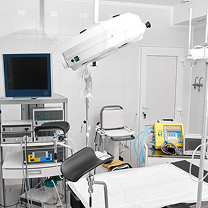
Medical equipment finance for diagnostic centre
Setup diagnostic centre with medical equipment finance

Personal loan for lawyer
Get a personal loan for lawyer

Personal loan for doctors for wedding
Get a personal loan for wedding

Personal loan for doctors
Get a personal loan for doctor

Personal loan for CA
Get a personal loan for CA
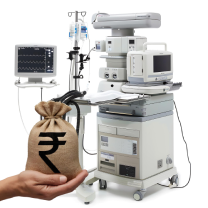
Medical equipment finance
Get a medical equipment finance

Lawyer loan to start firm
Get a lawyer loan to start firm

Lawyer loan for Chamber
Get a lawyer loan for Chamber

Lawyer loan
Get a lawyer loan

Hospital loan
Get a hospital loan

Doctor loan for setting up practice
Get a doctor loan for setting up practice

Doctor loan for clinic renovation
Get a doctor loan for clinic renovation

Doctor loan
Get a doctor loan
Doctor loan in different cities

Loan for doctor in Mumbai

Loan for doctor in Kolkata

Loan for doctor in Pune
Doctor loan for different budgets

Doctor loan for different budgets
Doctor loan for different budgets1
Doctor loan for different budgets2
Doctor loan for different budgets3
Types of doctor loan

Business loan for doctors

Business loan for chartered accountants

Set up a diagnostic centre with medical equipment finance

How to start a law firm in India

Doctor loan for clinic renovation
Frequently asked questions
Overview
How do I register a new hospital?
To register a new hospital, choose a suitable business structure, arrange compliant premises, obtain applicable registrations and licences, and meet local healthcare, safety and infrastructure requirements. The exact process and documents may vary based on the hospital’s location, size and services.
Can I complete hospital registration online?
Yes, hospital registration can be completed online through designated government portals. The process typically involves submitting digital copies of required documents, paying registration fees, and scheduling audits.
What information is required for hospital registration?
Hospital registration may require details such as the hospital’s name, address, ownership structure, number of beds, medical services offered, infrastructure details, doctor and staff qualifications, premises documents, and applicable licences, registrations, safety certificates, and other supporting documents.
What documents are required for hospital registration?
Documents may include identity and address proof, ownership or lease documents, business registration papers, hospital layout and infrastructure details, fire safety certificates, medical professionals’ qualifications and registration certificates, equipment details, and other approvals required by the applicable state and local authorities.
How long does hospital registration remain valid before renewal?
The validity period of hospital registration depends on the applicable state law and registration authority. In many cases, registration may need periodic renewal. Hospital owners should check their registration certificate and the relevant authority’s current guidelines for the renewal period and process.
Why is hospital registration mandatory in India?
Hospital registration is mandatory to ensure healthcare facilities meet prescribed standards for infrastructure, safety, hygiene, staffing, and patient care. It provides regulatory oversight, supports accountability, and helps authorities maintain records of healthcare establishments operating within their jurisdiction.
What happens if I operate a hospital without registration?
Operating a hospital without the required registration may result in penalties, legal action, closure of the facility, or other regulatory consequences. Requirements and penalties vary by state and the type of healthcare establishment. Always obtain applicable registrations before starting operations.
What do our customers say about us
Dr. Rohan Mehta
Reviewed on
I applied for a doctor loan to upgrade my clinic infrastructure, and the experience was excellent. The application process was simple, the documentation was minimal, and the approval came through quickly. The team guided me throughout the process and ensured a seamless experience. I would highly recommend this financing option to medical professionals looking for reliable funding support.
Dr. Priya Sharma
Reviewed on
The doctor loan helped me manage my professional expenses without any financial stress. The loan disbursal was fast, and the customer support team was always available to answer my questions. The repayment options were flexible and suited my financial requirements perfectly. Overall, I am very satisfied with the service and support provided.
Dr. Arvind Nair
Reviewed on
I availed a doctor loan to purchase advanced medical equipment for my practice. The entire process was smooth, transparent, and completed within a short time. The competitive interest rates and hassle-free documentation made the experience even better. The support team remained helpful at every stage, making the loan journey convenient and stress-free.
Dr. Neha Kapoor
Reviewed on
I needed financial assistance to expand my healthcare practice, and this doctor loan proved to be the right solution. The approval process was quick, and the team provided clear guidance from application to disbursal. The flexible repayment tenure helped me plan my finances effectively. I am pleased with the overall experience and would recommend it to fellow doctors.
More articles


Disclaimer
Bajaj Finance Limited has the sole and absolute discretion, without assigning any reason to accept or reject any application. Terms and conditions apply*.