Published Nov 27, 2025 3 min read

Introduction: Building your dream home the right way

For many Indians, owning a home is not just a financial milestone but a deeply emotional aspiration. The process of home construction, however, can be both exciting and overwhelming. From planning and designing to the final handover, every phase demands careful attention to detail.

In 2025, home construction trends in India are leaning towards sustainable practices, advanced technologies, and efficient budgeting. Factors like structural safety, eco-conscious designs, and cost management are more critical than ever. This article will guide you through the key processes and considerations to help you build your dream home seamlessly. If financing your project is a concern, Bajaj Finserv Home Loan offers tailored solutions with affordable EMIs to make your dream home a reality.


 

What is home construction?

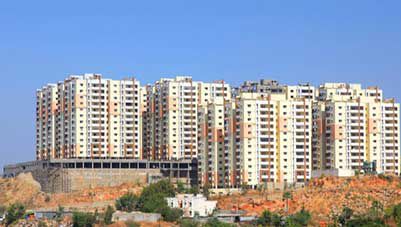
Home construction refers to the process of building a residential property, starting from land preparation to the final handover of keys. It involves multiple stakeholders, including architects, engineers, contractors, and skilled labourers, working together to create a safe, functional, and aesthetically pleasing structure.

Modern home construction in India blends traditional craftsmanship with cutting-edge technologies. For instance, prefabricated components, smart home systems, and energy-efficient materials like fly ash bricks are becoming increasingly popular. These advancements not only improve construction quality but also contribute to sustainability.

Types of home construction in India

India offers diverse options for residential construction, catering to various needs and budgets. Here are the primary types:

  • Individual houses and villas: Custom-built homes designed for single-family living.
  • Apartments and group housing: Multi-unit projects managed by developers, ideal for urban living.
  • Prefabricated and modular homes: Quick-to-build, eco-friendly options gaining traction in 2025.
  • Green and sustainable homes: Designed with features like solar panels, rainwater harvesting, and recycled materials for eco-conscious living.


Key phases of the home construction process

Building a home involves several critical stages, each requiring meticulous planning and execution.

  1. Land selection and site analysis:
    Choose a plot with legal clearance, proper accessibility, and favourable soil conditions. Conduct soil testing and ensure compliance with local regulations.
  2. Designing and planning stage:
    Collaborate with architects to finalise layouts, estimate costs, and secure necessary approvals. This stage is crucial for aligning the design with your budget and lifestyle.
  3. Estimation and budget planning:
    Break down costs for materials, labour, permits, and contingencies. Allocate an additional 10–15% for unexpected expenses.
  4. Foundation work:
    Excavation, footing, and waterproofing are completed to ensure long-term structural stability.
  5. Structural work (plinth, beams, columns):
    Focus on earthquake-resistant designs and high-quality materials to ensure durability.
  6. Wall construction and roofing:
    Opt for construction techniques and roofing materials that suit your region’s climate.
  7. Plumbing and electrical work:
    Install concealed plumbing and energy-efficient electrical systems for a modern, clutter-free look.
  8. Finishing and interior work:
    This stage includes flooring, plastering, false ceilings, and installing fixtures.
  9. Inspection and handover:
    Conduct thorough quality checks, obtain necessary certificates, and ensure warranties are in place before taking possession.


Modern home construction methods (2025)

The construction industry in India is embracing innovative methods to improve efficiency and sustainability.

  • Prefabricated and modular construction: Prefabrication reduces build time and costs while minimising waste.
  • 3D printing in home building: This technology enables faster construction of affordable homes with intricate designs.
  • Use of smart materials and IoT devices: Automated lighting, security systems, and energy monitors are transforming homes into smart living spaces.
  • Sustainable practices: Features like fly ash bricks, solar panels, and rainwater harvesting are now integral to modern homes.


Important considerations before starting construction

Before beginning your home construction project, keep the following in mind:

  • Legal and regulatory approvals: Obtain building plan sanctions, environmental clearances, and RERA compliance.
  • Selecting the right contractor or builder: Verify credentials, review past projects, and sign detailed contracts.
  • Budgeting and cost control: Plan finances carefully and avoid overspending. Consider a Bajaj Finserv Home Loan to manage costs effortlessly.
  • Quality of materials: Use certified materials like high-grade cement and steel to ensure durability.
  • Safety standards: Incorporate fire exits, earthquake-resistant designs, and other safety measures.
  • Project timeline and monitoring: Regularly track progress to avoid delays and ensure quality.


Cost of home construction in India (2025)

The average cost of building a home in India ranges from Rs. 1,500 to Rs. 2,500 per sq. ft., depending on the location, materials, and labour. Here is a quick comparison of construction costs:

City TypeAverage Cost (per sq. ft.)
Metros (Mumbai, Delhi)Rs. 2,000–Rs. 2,500
Tier-2 CitiesRs. 1,500–Rs. 2,000

To estimate your construction costs accurately, use online cost calculators and factor in inflation. For financial flexibility, explore Bajaj Finserv Home Loan options with competitive interest rates.


Common challenges in home construction and how to avoid them

Home construction can present challenges like:

  • Delays: Avoid delays by hiring reliable contractors and closely monitoring progress.
  • Budget overruns: Stick to your budget and avoid last-minute changes.
  • Poor material quality: Use certified materials and conduct regular quality checks.


Eco-friendly and smart home trends in 2025

Sustainability and smart technologies are shaping the future of home construction. Popular trends include:

  • Solar power systems.
  • Rainwater harvesting.
  • Waste management solutions.
  • Recycled and renewable materials.

Adopting these practices not only reduces your environmental footprint but also lowers long-term maintenance costs.


Home construction checklist for homeowners

Here is a comprehensive checklist to ensure a smooth construction process:

  • Verify the legal clearance of the land.
  • Collaborate with experienced architects and contractors.
  • Schedule independent quality inspections.
  • Plan your finances and secure a Bajaj Finserv Home Loan if needed.
  • Monitor progress regularly and address issues promptly.


Conclusion: Turning your dream home into reality

Building your dream home is a journey that requires careful planning, attention to detail, and reliable partners. From selecting the right materials to adopting sustainable practices, every decision plays a crucial role in creating a safe and comfortable living space.

If you are looking for financial support, Bajaj Finserv Home Loan offers flexible repayment options and competitive interest rates to make homeownership affordable. Start your journey today and turn your dream home into a reality with Bajaj Finserv.


Frequently asked questions

What is the average cost of building a 1000 sq. ft. house in India in 2025?

It ranges between Rs. 1,500 to Rs. 2,500 per sq. ft., depending on location and material quality.


How long does it take to complete home construction?

It typically takes 6–18 months, based on scale and complexity.

Do I need government approval before starting construction?

Yes, approvals like building plan sanction and environmental clearance are essential.

Which type of foundation is best for Indian soil?

Strip foundations are suitable, but site-specific advice is essential.

How can I reduce home construction costs without compromising quality?

Source materials locally, use eco-friendly alternatives like fly ash bricks, and avoid last-minute design changes.


Show More Show Less

Bajaj Finserv app for all your financial needs and goals

Trusted by 50 million+ customers in India, Bajaj Finserv App is a one-stop solution for all your financial needs and goals.

You can use the Bajaj Finserv App to:

  • Apply for loans online, such as Instant Personal Loan, Home Loan, Business Loan, Gold Loan, and more.
  • Invest in fixed deposits and mutual funds on the app.
  • Choose from multiple insurance for your health, motor and even pocket insurance, from various insurance providers.
  • Pay and manage your bills and recharges using the BBPS platform. Use Bajaj Pay and Bajaj Wallet for quick and simple money transfers and transactions.
  • Apply for Insta EMI Card and get a pre-qualified limit on the app. Explore over 1 million products on the app that can be purchased from a partner store on Easy EMIs.
  • Shop from over 100+ brand partners that offer a diverse range of products and services.
  • Use specialised tools like EMI calculators, SIP Calculators
  • Check your credit score, download loan statements and even get quick customer support—all on the app.

Download the Bajaj Finserv App today and experience the convenience of managing your finances on one app.

Disclaimer

1. Bajaj Finance Limited (“BFL”) is a Non-Banking Finance Company (NBFC) and Prepaid Payment Instrument Issuer offering financial services viz., loans, deposits, Bajaj Pay Wallet, Bajaj Pay UPI, bill payments and third-party wealth management products. The details mentioned in the respective product/ service document shall prevail in case of any inconsistency with respect to the information referring to BFL products and services on this page.

2. All other information, such as, the images, facts, statistics etc. (“information”) that are in addition to the details mentioned in the BFL’s product/ service document and which are being displayed on this page only depicts the summary of the information sourced from the public domain. The said information is neither owned by BFL nor it is to the exclusive knowledge of BFL. There may be inadvertent inaccuracies or typographical errors or delays in updating the said information. Hence, users are advised to independently exercise diligence by verifying complete information, including by consulting experts, if any. Users shall be the sole owner of the decision taken, if any, about suitability of the same.
For customer support, call Personal Loan IVR: 7757 000 000