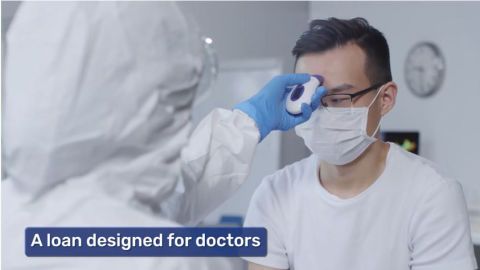
A Fellowship in Infectious Diseases is an advanced medical training programme that helps doctors develop specialised expertise in managing infectious diseases, infection control, antimicrobial stewardship, and public health challenges. The programme can create opportunities in hospitals, academic institutions, research organisations, and public health agencies.
Key takeaways:
- Focuses on bacterial, viral, fungal, and parasitic diseases
- Suitable for doctors seeking specialised infectious disease expertise
- Programme duration varies across institutions
- Includes clinical training, research exposure, and infection control practices
- Career opportunities extend across healthcare, academia, research, and public health
- Eligible doctors may consider a doctor loan for education and career development expenses
- Financing options can help manage tuition fees and related educational costs
Key highlights of fellowship in infectious diseases
| Parameter | Details |
|---|---|
| Course type | Super-speciality fellowship programme |
| Focus area | Infectious diseases and infection management |
| Training components | Clinical practice, infection control, research |
| Career pathways | Hospitals, research, academia, public health |
| Suitable candidates | Medical graduates and eligible postgraduates |
What is a fellowship in infectious diseases in India?
A Fellowship in Infectious Diseases is an advanced medical training programme that focuses on the prevention, diagnosis, treatment, and management of infectious diseases. The programme helps doctors develop specialised expertise beyond their undergraduate or postgraduate medical education.
The fellowship typically covers bacterial, viral, fungal, parasitic, and emerging infectious diseases. Doctors also receive exposure to infection control practices, antimicrobial stewardship programmes, epidemiology, and outbreak management.
As healthcare systems continue to face challenges such as antimicrobial resistance and emerging infections, trained infectious disease specialists are becoming increasingly important in modern healthcare delivery.
Why pursue a fellowship in infectious diseases?
A fellowship in infectious diseases can provide doctors with specialised clinical expertise and opportunities to contribute to patient care, public health, research, and healthcare leadership.
- Growing healthcare demand: Infectious diseases continue to remain a major public health concern in India and globally. Specialists are increasingly needed to manage emerging infections, antimicrobial resistance, hospital-acquired infections, and complex infectious disease cases.
- Specialised clinical expertise: The fellowship provides advanced training beyond undergraduate and postgraduate medical education. Doctors develop deeper knowledge in diagnosis, treatment planning, infection prevention, and evidence-based patient management.
- Opportunities in tertiary care hospitals: Large hospitals and specialised healthcare institutions often require infectious disease specialists to manage complicated infections and support multidisciplinary treatment teams.
- Role in infection control programmes: Specialists frequently lead infection prevention initiatives, antimicrobial stewardship programmes, and hospital infection surveillance systems to improve patient outcomes.
- Research and academic opportunities: The field offers opportunities to participate in clinical research, epidemiological studies, public health projects, and medical education programmes.
- Contribution to public health: Infectious disease specialists play an important role in disease surveillance, outbreak response, vaccination strategies, and community health initiatives.
- Global career relevance: Expertise in infectious diseases is recognised internationally and can support career opportunities across healthcare systems, research institutions, and public health organisations.
Eligibility criteria for fellowship in infectious diseases
Eligibility requirements may vary between institutions. However, most programmes consider the following criteria.
- Medical qualification: Candidates are generally required to possess an MBBS degree or an equivalent medical qualification recognised by the appropriate regulatory authority.
- Postgraduate qualification: Many institutions prefer candidates with MD, DNB, or equivalent postgraduate qualifications in relevant medical specialities.
- Medical registration: Applicants are usually required to hold valid registration with the relevant Medical Council or regulatory body.
- Clinical experience: Some programmes may require prior experience in internal medicine, microbiology, pulmonology, paediatrics, critical care, or related disciplines.
- Institution-specific requirements: Eligibility criteria may differ across institutions and candidates should review programme guidelines carefully before applying.
Educational qualifications required for fellowship in infectious diseases
The academic qualifications required for admission depend on the institution and programme structure.
- MBBS degree: MBBS serves as the foundational qualification for medical practice and may be accepted by selected fellowship programmes.
- MD or DNB qualification: Many advanced fellowships prefer candidates who have completed postgraduate studies in Internal Medicine, Paediatrics, Pulmonary Medicine, Critical Care, Microbiology, or related fields.
- Recognised academic credentials: Educational qualifications should generally be obtained from recognised institutions and comply with applicable regulatory requirements.
- Academic and research exposure: Participation in conferences, workshops, publications, or research activities may strengthen a candidate's application profile.
Skills needed for infectious disease specialists
Success in infectious disease practice requires a combination of clinical knowledge, analytical thinking, and communication skills.
- Clinical diagnostic skills: Specialists must accurately diagnose complex infections through patient evaluation, laboratory findings, imaging studies, and clinical investigations.
- Analytical thinking: Many infectious disease cases involve multiple variables, requiring strong problem-solving and clinical decision-making abilities.
- Knowledge of microbiology: Understanding pathogens, antimicrobial resistance patterns, and laboratory diagnostics is essential for effective treatment planning.
- Communication skills: Specialists regularly collaborate with multidisciplinary teams and communicate treatment plans to patients and families.
- Research orientation: Infectious disease medicine evolves rapidly, making continuous learning and evidence-based practice important.
- Infection control expertise: Knowledge of infection prevention strategies, outbreak management, and hospital safety protocols is increasingly valuable.
Admission process for fellowship in infectious diseases
Admission procedures may vary, but most institutions follow a structured process.
- Review eligibility requirements: Carefully examine the academic qualifications, experience requirements, and admission criteria specified by the institution before beginning the application process.
- Research fellowship programmes: Compare institutions based on curriculum quality, faculty expertise, clinical exposure, research opportunities, accreditation, and training facilities.
- Submit application and documents: Complete the application form and provide all required documents, including academic records, medical registration certificates, identity proof, and professional credentials.
- Attend entrance assessments: Some institutions may conduct entrance examinations, interviews, or selection assessments to evaluate a candidate's suitability for the programme.
- Complete document verification: Shortlisted candidates are typically required to undergo verification of academic qualifications, registrations, and supporting documents.
- Confirm admission: Once selected, candidates must complete enrolment formalities, submit applicable fees, and accept the admission offer within the specified timeline.
Duration of fellowship in infectious diseases
The duration of fellowship programmes can vary depending on the institution and curriculum structure.
- Programme duration varies: Fellowship duration differs across institutions and may range from short-term specialised training programmes to more comprehensive clinical fellowships.
- Full-time clinical training: Most programmes include structured clinical rotations, patient management responsibilities, and supervised learning experiences.
- Research and academic exposure: Many fellowships incorporate research projects, seminars, journal discussions, and academic activities alongside clinical training.
- Institution-specific curriculum: The exact duration often depends on programme objectives, training requirements, and accreditation guidelines.
- Assessment and certification: Completion generally requires meeting attendance requirements, clinical competencies, assessments, and institutional certification standards.
Fellowship in infectious diseases curriculum and syllabus
| Curriculum Area | Topics Covered |
|---|---|
| Clinical infectious diseases | Bacterial, viral, fungal, and parasitic infections |
| Infection control | Hospital infection prevention and surveillance |
| Antimicrobial stewardship | Rational antibiotic use and resistance management |
| Epidemiology | Disease surveillance and outbreak investigation |
| Diagnostics | Laboratory medicine and microbiological testing |
| Research | Clinical studies and evidence-based medicine |
Fellowship in infectious diseases fees in India
| Expense Category | Typical Coverage |
|---|---|
| Tuition fees | Academic and training costs |
| Examination fees | Assessments and certification |
| Learning resources | Study materials and reference resources |
| Clinical training expenses | Workshops and practical exposure |
| Miscellaneous costs | Travel, accommodation, and administrative charges |
Career opportunities after a fellowship in infectious diseases
A fellowship in infectious diseases can open opportunities across clinical, academic, research, and public health settings.
- Infectious disease consultant: Manage complex infectious disease cases in multi-speciality hospitals, tertiary care centres, and specialised healthcare institutions.
- Hospital infection control specialist: Lead infection prevention programmes, antimicrobial stewardship initiatives, and quality improvement projects focused on patient safety.
- Academic faculty member: Teach undergraduate and postgraduate medical students while participating in training, mentorship, and academic development activities.
- Clinical researcher: Contribute to research involving infectious diseases, vaccines, antimicrobial therapies, epidemiological trends, and public health interventions.
- Public health specialist: Support healthcare organisations and government agencies involved in disease prevention, surveillance, and outbreak response programmes.
- Healthcare policy advisor: Assist in the development of infection control guidelines, public health policies, and healthcare quality initiatives.
- Pharmaceutical and biotechnology consultant: Provide clinical expertise to organisations involved in vaccine development, infectious disease therapies, and healthcare innovation.
- Global health professional: Work with international health organisations engaged in disease surveillance, emergency response, and healthcare programme implementation.
Future trends in infectious diseases and healthcare
The field of infectious diseases continues to evolve due to changing healthcare needs, emerging pathogens, and technological advancements. Growing concerns around antimicrobial resistance are driving demand for specialists who can support responsible antibiotic use and infection prevention strategies.
Artificial intelligence and advanced diagnostics are improving disease detection, treatment planning, and surveillance capabilities. These technologies may help healthcare providers identify infections more quickly and accurately.
Healthcare systems are also investing in stronger disease surveillance networks, telemedicine services, vaccination programmes, and outbreak preparedness initiatives. As a result, infectious disease specialists are expected to play an increasingly important role in both clinical care and public health management.
Financing options for fellowship in infectious diseases
Pursuing advanced medical education often involves tuition fees, examination costs, accommodation expenses, and other educational expenditures. Doctors planning to pursue specialised training may explore financing options to support these expenses.
Eligible medical professionals can consider a doctor loan to manage education-related costs, professional development expenses, or career advancement plans. Depending on eligibility, doctors may access loan amounts ranging from ₹2 lakh to ₹80 lakh with repayment tenures from 12 to 96 months.
Doctors who require broader funding solutions may also explore a loan for professionals to support educational and professional goals.
Conclusion
A Fellowship in Infectious Diseases provides specialised training in infection diagnosis, treatment, prevention, and public health management. The programme can support career growth across hospitals, research institutions, academic organisations, public health agencies, and healthcare leadership roles.
As infectious diseases continue to remain a major healthcare priority, the demand for trained specialists is expected to grow. Along with building clinical expertise, doctors should carefully evaluate programme requirements, career objectives, and educational costs before applying. Understanding available financing solutions and broader concepts related to healthcare finance can help professionals plan their educational investments more effectively.