






Contract Lifecycle Management (CLM) is the process of managing contracts from initiation through execution, compliance, and renewal. It ensures that organisations can efficiently create, store, track, and analyse contracts while minimising risk and maximising compliance. With digital transformation, CLM has evolved from manual processes to automated software solutions, making contract management faster and more accurate.
What is contract lifecycle management?
Contract Lifecycle Management (CLM) refers to the systematic handling of a contract’s entire life, from initial request and creation to execution, performance tracking, and eventual renewal or termination. It enables organisations to maintain control over contractual obligations, reduce compliance risks, and optimise operational efficiency. CLM software solutions help automate workflows, approvals, and notifications, ensuring that no important deadlines are missed.
Check your business loan eligibility to secure funding for implementing CLM tools and improving contract workflows.
Importance of contract lifecycle management
The significance of CLM extends across industries:
- Ensures compliance with legal and regulatory requirements.
- Reduces risks associated with contractual breaches.
- Enhances transparency and accountability in business dealings.
- Supports strategic decision-making through analytics and reporting.
- Facilitates faster contract approvals and execution, improving efficiency.
Benefits of contract lifecycle management
Implementing effective CLM provides several advantages:
- Improved efficiency: Automates repetitive tasks, reducing administrative burden.
- Risk mitigation: Identifies and manages contractual risks proactively.
- Cost savings: Prevents penalties and missed obligations, optimising resources.
- Enhanced collaboration: Centralises contracts for easy access across teams.
- Better insights: Analytics provide data-driven decisions for future contracts.
Stages of contract lifecycle
The typical CLM process involves multiple stages:
- Request and Initiation: Identify the need for a contract.
- Authoring: Draft contracts using templates and standard clauses.
- Negotiation: Collaborate and modify terms with stakeholders.
- Approval: Obtain necessary internal and external approvals.
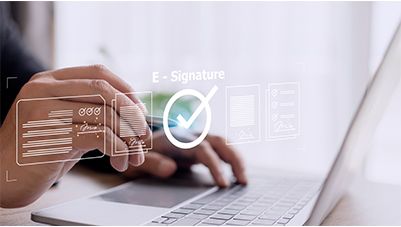
- Execution: Sign the contract digitally or manually.
- Obligation Management: Track deliverables, milestones, and compliance.
- Renewal/Amendment: Evaluate for renewal, extension, or termination.
- Archival: Store contracts securely for reference and audit purposes.
How does contract lifecycle management software work?
CLM software automates and streamlines the contract process:
- Centralises contract storage for easy access.
- Provides automated reminders for renewals and deadlines.
- Supports collaborative editing and version control.
- Offers analytics to monitor compliance, obligations, and performance.
- Integrates with ERP, CRM, and other enterprise systems for seamless operations.
History of contract lifecycle management
Contract management has evolved over decades:
- Manual era: Physical contracts with paper-based tracking.
- Digital era: Basic word processing and spreadsheets.
- Automated CLM: Advanced software with workflow automation, e-signatures, and analytics.
- AI-driven CLM: Predictive insights, risk scoring, and advanced reporting capabilities.
Key challenges to contract lifecycle management
Organisations often face several hurdles in CLM:
- Fragmented contract storage leading to lost documents.
- Manual processes prone to errors and delays.
- Lack of standardisation across departments.
- Limited visibility into obligations and deadlines.
- Difficulty in ensuring compliance with regulations and corporate policies.
Check your pre-approved business loan offer to access funds quickly and invest in efficient CLM solutions.
Implementation of contract lifecycle management
To implement CLM effectively:
- Define a clear contract management strategy.
- Choose a suitable CLM software aligned with business needs.
- Standardise contract templates, clauses, and approval workflows.
- Train staff on software usage and best practices.
- Continuously monitor performance and optimise processes.
Conclusion
Effective Contract Lifecycle Management ensures organisations can manage contracts efficiently, reduce risks, and enhance operational productivity. Whether you are investing in digital tools for contract management or expanding your business loan portfolio, proper planning is essential. Evaluating the business loan interest rate and using a business loan eligibility calculator can provide the financial support needed to invest in CLM software and related business operations.