Both appliances work independently and each solves a distinct indoor air problem. To help you make a fully informed decision, here is a deeper look at the strengths and limitations of each.
Air dehumidifier
A dehumidifier is best for reducing humidity and preventing mould growth in damp areas. It extracts moisture from the air and creates a drier, more comfortable living environment. It is particularly beneficial for spaces prone to excess humidity — such as basements, laundry rooms, and coastal homes.
However, it is not effective at removing airborne pollutants like dust, pet dander, or pollen. If these are your priorities, a dehumidifier will not address them. You can find out more about which models combine humidity control with air cleaning by exploring air purifiers with a humidifier.
Air purifier
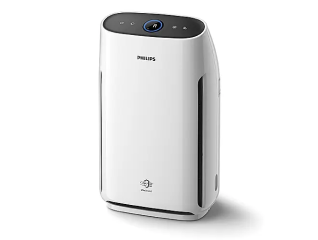
An air purifier is designed to cleanse the air by capturing and eliminating pollutants, allergens, and odours. It is ideal for those with allergies, asthma, or respiratory sensitivities. Technologies like HEPA and carbon filters trap fine particles and improve breathability throughout the room.
It focuses on air purification rather than moisture control. For Indian households dealing with city pollution and seasonal allergens, the best air purifier in India options cover a wide range of room sizes and filtration needs. Brands like Xiaomi offer reliable, well-priced models worth comparing before you visit a partner store.
Using both together
If your living space suffers from both high humidity and poor air quality, using a dehumidifier and an air purifier together is the recommended approach. The dehumidifier creates a dry, mould-free environment, while the air purifier ensures the air is clean and fresh. Choose the appliance based on your primary need — or use both for complete indoor comfort and health.
Thinking of buying a new air purifier or dehumidifier?
Before you do that, explore the latest offers from Bajaj Finance. You may find a great deal on a model that matches your needs.