Published May 26, 2026 · 4 Min Read

What is cloud printing

Cloud printing is a technology that allows you to send documents and files to a printer from any device, anywhere in the world, using an internet connection instead of a direct cable or local network connection. Whether you are at home, in an office or travelling, cloud printing lets you print documents from your smartphone, tablet or laptop without being physically near the printer. It eliminates the need for installing printer drivers on every device and makes printing more flexible, accessible and convenient for both personal and professional use across all types of printing environments.


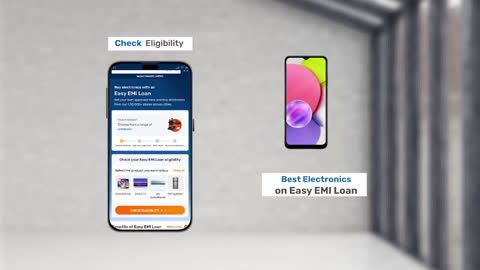
If you are looking for a new printer, head to any of Bajaj Finance’s 1.5 lakh partner stores in 4,000 cities in India. Choose your ideal model, pay with Easy EMIs, and enjoy zero down payment on select deals. Simply check your loan eligibility now and bring home your desired printer without worrying about overspending.


How does cloud printing technology work and what is the remote printing process


Cloud printing works through an internet-based system that connects your device to a cloud server, which then communicates with your printer remotely. Understanding this process helps you make the most of the technology in everyday use.


  • Device sends the print job to a cloud server: When you send a document to print, your device uploads the file to a cloud server managed by the cloud printing service provider rather than sending it directly to the printer through a cable or local network connection.
  • Cloud server processes and stores the print job: The cloud server receives, processes and queues the print job, holding it securely until the target printer is ready to receive and execute the instruction, even if the printer is in a different location from the device that initiated the request.
  • Printer retrieves the job from the cloud: The cloud-enabled printer regularly checks the cloud server for new print jobs assigned to it. When a job is detected, the printer downloads and executes it automatically, producing the physical output without any further action required from the user.
  • Authentication ensures correct delivery: Most cloud printing systems require user authentication before a print job is released to the printer, ensuring the document is printed only when the correct user is present at the machine and reducing the risk of sensitive documents being left uncollected in shared office environments.
  • Real-time print status notifications: Cloud printing platforms send real-time status notifications to the user's device confirming when the job has been received, queued and completed, keeping the user informed throughout the process even when printing remotely.

What are the setup requirements and compatible printer types for cloud printing

Setting up cloud printing is straightforward for most modern printers and devices. Knowing the requirements in advance ensures a smooth and frustration-free setup experience.


  • Internet-connected printer with cloud printing support: The most important requirement is a printer with built-in Wi-Fi connectivity and support for a cloud printing protocol such as Google Cloud Print legacy services, Mopria Print Service or the manufacturer's own cloud platform such as HP Smart or Epson Connect.
  • Cloud printing account and compatible app: Most cloud printing platforms require you to register a free account and install the manufacturer's companion app or use a platform like Google Workspace to link the printer to your account and manage print jobs remotely from any connected device.
  • Wi-Fi or mobile data connection on your device: The device you are printing from, whether a smartphone, tablet or laptop, needs a stable internet connection to upload the print job to the cloud server. A mobile data connection is sufficient when printing remotely from outside your home or office network.
  • Compatible printer types for cloud printing: Most modern inkjet and laser printers from brands including HP, Canon, Epson, Brother and Samsung support cloud printing through their respective proprietary platforms. Older printers without built-in Wi-Fi can be made cloud-compatible through a cloud print gateway device or by connecting them to a cloud-enabled router.
  • Operating system and app compatibility: Cloud printing is compatible with Windows, macOS, Android and iOS devices. Most manufacturers provide dedicated apps for each platform, and standard cloud printing protocols such as Mopria and AirPrint are natively supported by Android and Apple devices respectively without requiring additional software installation.

What are the key benefits of cloud printing including wireless access and multi-device support

Cloud printing offers several practical advantages that make everyday printing more flexible, convenient and cost-effective for both home users and businesses of all sizes.


  • Print from anywhere with an internet connection: Cloud printing eliminates the need to be physically present near the printer or connected to the same local network. You can send a print job from your smartphone, tablet or laptop from any location, whether you are at home, in a coffee shop or travelling, as long as you have an active internet connection on your device.
  • Multi-device support without driver installation: One of the most practical benefits of cloud printing is that any compatible device can send print jobs to a cloud-enabled printer without needing to install printer-specific drivers. Your smartphone, tablet, laptop and desktop computer can all print to the same printer through the cloud platform, making it significantly more convenient in multi-device households and offices.
  • Wireless printing with no cables required: Cloud printing works entirely over Wi-Fi and internet connectivity, eliminating the need for USB cables, parallel ports or dedicated print server hardware. This makes it easier to place the printer in the most convenient location in your home or office without being constrained by cable length or proximity to a desktop computer.
  • Seamless printing across multiple operating systems: Cloud printing platforms such as Mopria, AirPrint and manufacturer apps support Windows, macOS, Android and iOS simultaneously, allowing users across different devices and operating systems to share a single printer without compatibility issues or the need for separate driver versions for each platform.
  • Reduced IT complexity for businesses: For businesses managing multiple printers across an office or across several locations, cloud printing reduces the IT overhead associated with driver deployment, print server maintenance and local network configuration. New devices can be added to the print environment quickly and remotely without requiring on-site technical support for each addition.
  • Easy sharing of printers across users and teams: Cloud printing allows a single printer to be shared across multiple users or teams through a central cloud account, with access permissions managed remotely by an administrator. This is particularly useful for growing businesses, co-working spaces and home offices where printer sharing across different devices and users is a daily requirement.

What are the security features and data protection considerations in cloud printing

Security is one of the most important factors to consider when adopting cloud printing, particularly for businesses handling sensitive documents and confidential information.


  • Secure print release with PIN or badge authentication: Many enterprise cloud printing platforms support secure print release, where the physical print job is only executed when the authorised user authenticates at the printer using a PIN code, employee ID card or biometric verification, preventing confidential documents from being collected by the wrong person in shared office environments.
  • End-to-end encryption of print data: Reputable cloud printing platforms encrypt the print job data both during upload from the user's device to the cloud server and during transmission from the server to the printer, protecting sensitive documents from interception during transit across public or shared network connections.
  • Access control and user permission management: Cloud printing systems allow IT administrators to set granular access controls that restrict which users, devices or departments can send print jobs to specific printers, reducing unauthorised printing and enabling more efficient management of printing resources across organisations.
  • Automatic deletion of print jobs after completion: Most cloud printing platforms automatically delete the print job from the server after it has been successfully executed, ensuring sensitive documents are not stored indefinitely on external servers where they could be vulnerable to unauthorised access or data breaches.
  • Audit trails and print activity logging: Enterprise cloud printing solutions maintain detailed logs of all print activity including who printed, what was printed, when and on which device, providing IT teams and compliance officers with a complete and auditable record of document output across the organisation.

How is cloud printing used in home, office and business environments

Cloud printing serves a wide range of practical purposes across different user types, from individuals printing occasional personal documents to large enterprises managing high-volume distributed printing operations.


  • Home use for printing from any room or device: For home users, cloud printing eliminates the need to transfer files to a specific computer to print. You can send a document from your smartphone in the living room to the printer in the study, or print a boarding pass from your laptop while the printer is connected only to a different device on the home network.
  • Remote working and work-from-home printing: Cloud printing is particularly valuable for remote workers who need to print documents on a home printer from files stored on a company server or cloud storage platform. It removes the complexity of VPN connections and driver installations that traditional network printing requires for remote access.
  • Shared office printer management: In offices with multiple users sharing a single printer or a fleet of printers, cloud printing allows centralised management of print queues, user permissions and consumable monitoring from a single admin dashboard, improving efficiency and reducing wasted printing across the team.
  • Retail, healthcare and hospitality printing: Businesses in sectors including retail, healthcare and hospitality use cloud printing to manage distributed printing across multiple locations from a central IT infrastructure, enabling consistent document output across branches, clinics and hotels without requiring local server infrastructure at each site.
  • Design and print industry workflows: Creative agencies, architects and print service providers use cloud-connected plotters and large-format printers to receive and process client files remotely, reducing file transfer steps and enabling faster turnaround on large-format print projects without requiring physical file delivery or on-site presence from the client.

Get electronics and appliances on Easy EMIs with Bajaj Finance

Upgrading your home with the latest electronics and appliances is now hassle-free with Bajaj Finance's flexible financing options. Follow these steps to get started:


  • Explore products on Bajaj Mall: Browse a wide range of electronics and appliances from trusted brands on Bajaj Mall. Compare features to find a model that meets your needs.
  • Visit a partner store: Once you shortlist a model, step into any of Bajaj Finance’s 1.5 lakh partner stores across 4,000 cities in India. See the product in person, talk to experts, and make a confident decision.
  • Choose the Easy EMI Loan option: At checkout, select the Bajaj Finance Easy EMI Loan. Avail financing of up to Rs. 5 lakh and split the cost into convenient monthly instalments. Some products also come with a zero down payment option.
  • Check your loan eligibility online: Plan better by checking your loan eligibility in minutes. Simply enter your mobile number and OTP to know your pre-approved limit.
  • Use the EMI Network Card for purchases up to Rs. 3 lakh: Already own the Bajaj Finance EMI Network Card? Use it for instant, paperless checkout and convert your purchases of up to Rs. 3 lakh into Easy EMIs.

Why use the Smart Savings Calculator

Bajaj Finance’s Smart Savings Calculator helps you unlock maximum savings every time you shop at partner stores. It brings together all available brand, dealer, and scheme offers—so you can see your total savings instantly and shop smarter with Easy EMIs.


1. Dealer offers - Grab exclusive in-store deals at over 1.5 lakh partner stores across India. Enjoy local discounts and special prices you will not find online.

2. Brand offers - Access limited-time discounts from top brands across electronics, appliances, and more. Discover brand-specific savings selected just for you.

3. Bajaj offers - Unlock exclusive Bajaj Finance deals on popular products—available only to our customers. More rewards, more value.

4. Scheme offers - Take advantage of time-sensitive offers on select EMI schemes. Get extra benefits after paying just 3 EMIs—visible during EMI selection at checkout.


Calculate your extra savings today!


Frequently asked questions

Can I buy printer on EMI?

Yes, you can easily bring home your preferred printer using Bajaj Finance’s Easy EMI options. Whether you already have the Insta EMI Card or are new to it, here is how to begin:


If you have the Bajaj Finance Insta EMI Card:


  • Explore printers on Bajaj Mall: Choose from a wide range of popular printer brands.
  • Visit a partner store: Check out the product in person at any of Bajaj Finance’s 1.5 lakh partner stores across 4,000 cities in India.
  • Use your Insta EMI Card at checkout: Convert the cost into Easy EMIs that fit your monthly budget.
  • Zero down payment on select models: Take your chosen printer home without paying anything upfront.


If you do not have an Insta EMI Card:

Check your Insta EMI Card eligibility online using your mobile number and OTP. If you are eligible, apply instantly and enjoy a smarter, more affordable way to buy your favourite printer on Easy EMIs.

Which printer brand is best in India?

The best printer brand in India depends on your needs. HP, Canon, and Epson are popular for home and office use. Brother is known for reliable laser printers, while Epson EcoTank models are good for low ink costs. Choose a brand based on print volume, budget, and required features.

What are the top 5 printer brands in India?

The top printer brands in India include HP, Canon, Epson, Brother, and Xerox. These brands offer reliable performance, good print quality, and wide service support. They provide options for home users, offices, and businesses, with different models available at various price ranges.

Which printer is best for home use?

For home use, inkjet printers are usually the best option. They are affordable, compact, and suitable for documents and occasional photo printing. Brands like HP, Canon, and Epson offer Wi-Fi enabled all-in-one models that can print, scan, and copy, making them ideal for daily home needs.

Inkjet vs laser – which is better?

Inkjet printers are better for colour printing and photos, while laser printers are ideal for fast document printing. Inkjet models are usually cheaper to buy, but laser printers offer lower cost per page for bulk printing. The better option depends on how often and what you print.

Which printer has the lowest ink cost?

Printers with ink tank systems, such as Epson EcoTank models, usually have the lowest running cost. They use refillable ink bottles instead of cartridges, which reduces cost per page. Laser printers also offer lower cost per page for black-and-white printing in offices.

Are Wi-Fi printers worth buying?

Yes, Wi-Fi printers are worth buying for convenience. They allow wireless printing from laptops, smartphones, and tablets without using cables. This is helpful in homes and offices where multiple users need access. Wi-Fi printing saves time and makes everyday printing more flexible.

What are the main types of printers available?

The main types of printers include inkjet, laser, all-in-one, dot matrix, and photo printers. Inkjet printers are suitable for home use, while laser printers are better for offices. All-in-one printers can print, scan, and copy, making them practical for small spaces.

Show more Show less

Bajaj Finserv app for all your financial needs and goals

Trusted by 50 million+ customers in India, Bajaj Finserv App is a one-stop solution for all your financial needs and goals.

You can use the Bajaj Finserv App to:

  • Apply for loans online, such as Instant Personal Loan, Home Loan, Business Loan, Gold Loan, and more.
  • Invest in fixed deposits and mutual funds on the app.
  • Choose from multiple insurance for your health, motor and even pocket insurance, from various insurance providers.
  • Pay and manage your bills and recharges using the BBPS platform. Use Bajaj Pay and Bajaj Wallet for quick and simple money transfers and transactions.
  • Apply for Insta EMI Card and get a pre-qualified limit on the app. Explore over 1 million products on the app that can be purchased from a partner store on Easy EMIs.
  • Shop from over 100+ brand partners that offer a diverse range of products and services.
  • Use specialised tools like EMI calculators, SIP Calculators
  • Check your credit score, download loan statements and even get quick customer support—all on the app.

Download the Bajaj Finserv App today and experience the convenience of managing your finances on one app.

Disclaimer

1. Bajaj Finance Limited (“BFL”) is a Non-Banking Finance Company (BAJAJ FINANCE) and Prepaid Payment Instrument Issuer offering financial services viz., loans, deposits, Bajaj Pay Wallet, Bajaj Pay UPI, bill payments and third-party wealth management products. The details mentioned in the respective product/ service document shall prevail in case of any inconsistency with respect to the information referring to BFL products and services on this page.

2. All other information, such as, the images, facts, statistics etc. (“information”) that are in addition to the details mentioned in the BFL’s product/ service document and which are being displayed on this page only depicts the summary of the information sourced from the public domain. The said information is neither owned by BFL nor it is to the exclusive knowledge of BFL. There may be inadvertent inaccuracies or typographical errors or delays in updating the said information. Hence, users are advised to independently exercise diligence by verifying complete information, including by consulting experts, if any. Users shall be the sole owner of the decision taken, if any, about suitability of the same.