





Published Feb 11, 2026 4 Min Read

  1. How big is a Gigabyte?
  2. Gigabyte vs Megabyte, Kilobyte and Terabyte
  3. How to check Gigabytes on your devices
  4. Shop smart with Easy EMIs
  5. Why use the Maha Bachat Savings Calculator

How big is a Gigabyte?

A gigabyte (GB) is a widely used unit of digital storage that helps measure how much data a device can store. In the storage hierarchy, it sits above bytes, kilobytes (KB), and megabytes (MB), and below terabytes (TB). In numerical terms, 1 GB equals 1,024 MB, 1,048,576 KB, or 1,073,741,824 bytes. Understanding these conversions makes it easier to compare storage capacities across devices such as smartphones, laptops, hard drives, and cloud services. As files, applications, and media continue to grow in size, knowing how gigabytes work helps users choose the right storage option for personal, professional, and entertainment needs without running out of space unexpectedly.


In real-world usage, 1 GB can store a significant amount of everyday data. It is enough for around 200 to 300 high-quality photos, approximately 250 to 300 songs, or about 30 minutes of HD video. It can also accommodate several mobile apps or essential documents and presentations. However, actual storage capacity may vary depending on file size, quality, and format. For example, high-resolution videos or graphic-heavy applications consume more space than standard files. These practical examples help users estimate their storage requirements and manage data efficiently across devices, ensuring smooth performance and better organisation of digital content.
Gigabyte vs Megabyte, Kilobyte and Terabyte

Understanding the difference between storage units is essential for managing digital space efficiently. Comparing gigabytes with smaller and larger units helps you estimate file sizes, plan storage needs, and choose the right device or storage option.


GB vs MB: What’s the difference?


A gigabyte (GB) is much larger than a megabyte (MB), with 1 GB equal to 1,024 MB.
MB is typically used for smaller files such as:


  • Photos and images
  • PDF and Word documents
  • Email attachments
  • Short audio files

GB is used to measure larger data, including:


  • Mobile and desktop apps
  • Games
  • HD videos
  • Overall device storage capacity


GB vs TB: When storage gets bigger


A terabyte (TB) represents a significantly higher storage capacity, where 1 TB equals 1,024 GB. TB storage is ideal for users who handle large volumes of data, such as:


  • 4K and high-resolution videos
  • Large photo libraries
  • Software backups and system images
  • Professional work files and projects

It is commonly available in laptops, external hard drives, and cloud storage services.


Common misconceptions about file sizes


Many users misunderstand how quickly storage fills up. File size varies based on:


  • Resolution and quality (HD or 4K content uses more space)
  • File format and compression level
  • App size and additional data
  • System and background files

Because of these factors, actual storage availability may be less than expected.

How to check Gigabytes on your devices

Keeping track of available gigabytes (GB) on your device helps you manage files, avoid storage shortages, and maintain smooth performance. Most devices provide simple ways to check total, used, and free space so you can take action when needed.


On Android phones and tablets


  • Go to Settings > Storage or Device care
  • View total space, used space, and free space
  • Check storage usage by apps, photos, videos, and system files

On iPhone and iPad


  • Open Settings > General > iPhone Storage
  • See a detailed storage breakdown
  • Follow suggestions to free up space

On Windows laptops and PCs


  • Open File Explorer > This PC
  • Check storage under available drives
  • View used and free space for each drive

On macOS devices


  • Click Apple menu > About This Mac > Storage
  • See a visual overview of storage usage
  • Identify large files and categories quickly

For external drives and USB devices


  • Connect the device to your computer
  • Storage capacity appears automatically
  • Check available space before transferring files.

How many Gigabytes do you actually need

The amount of gigabytes (GB) you need depends on how you use your device and the type of files you store. Choosing the right storage helps avoid slow performance and frequent space shortages.


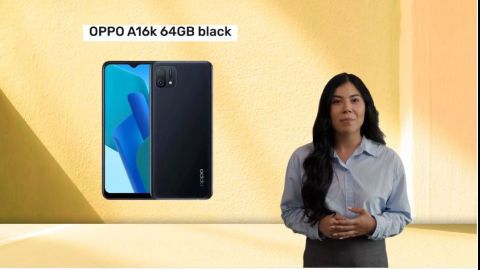
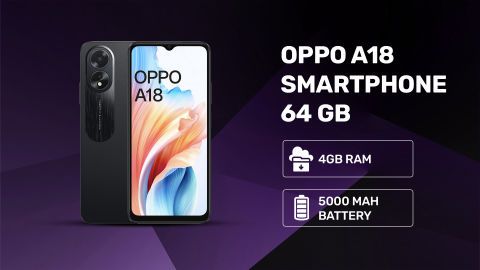
For basic users who mainly browse the internet, use messaging apps, and store a limited number of photos and documents, 64GB to 128GB is usually sufficient. If you regularly use social media, install multiple apps, take photos and videos, or download music and movies, 128GB to 256GB offers a more comfortable experience.


Heavy users who record high-resolution videos, play large games, edit media, or store extensive work files should consider 256GB, 512GB, or higher. For laptops and PCs, 512GB to 1TB is ideal for everyday productivity and entertainment, while professionals handling large projects may need even more.


It is always wise to choose slightly higher storage to allow room for system updates and future data growth.

Gigabytes in Internet and data plans

Gigabytes (GB) are also used to measure mobile data, showing how much internet you can use on your smartphone each month. Understanding data consumption helps you avoid overcharges and choose a plan that matches your usage habits.


What does 1 GB of mobile data give you?


One gigabyte of data can support basic daily activities, but usage depends on content quality and duration. For example:


  • Around 5 to 6 hours of web browsing
  • Up to 10 hours of music streaming (standard quality)
  • About 1 hour of standard-definition video streaming
  • Hundreds of text emails and moderate social media use

High-quality streaming or downloads will consume data faster.


GB in streaming, social media and gaming usage


Different online activities consume data at different rates:


  • HD video streaming: up to 2 to 3 GB per hour
  • Social media with images and videos: 100 to 300 MB per hour
  • Online gaming: 40 to 150 MB per hour (excluding downloads and updates)
  • Video calls: around 500 MB to 1 GB per hour

Video content is the biggest data consumer.


How to choose the right GB data plan per month


Selecting the right data plan depends on your daily usage:


  • 1 to 2 GB per day for light browsing and messaging
  • 2 to 3 GB per day for social media and occasional streaming
  • 3 GB or more per day for heavy streaming, gaming, and video calls

Always consider background app usage and automatic updates when choosing a plan.

Shop smart with Easy EMIs

Bajaj Finserv puts you in control of your shopping. See if you are eligible for a loan and get instant approval in just a few steps. Once approved, go to any of 1.5 lakh+ partner stores across India. Pick from over 1 million products from 550+ leading brands. Pay in Easy EMIs with 50+ flexible options that fit your budget. Enjoy a fast, seamless, and stress-free shopping experience—with more freedom and more savings.

Why use the Maha Bachat Savings Calculator

Bajaj Finserv’s Maha Bachat Savings Calculator helps you unlock maximum savings every time you shop at partner stores. It brings together all available brand, dealer, and scheme offers—so you can see your total savings instantly and shop smarter with Easy EMIs.


  1. Dealer offers - Grab exclusive in-store deals at over 1.5 lakh partner stores across India. Enjoy local discounts and special prices you will not find online.
  2. Brand offers - Access limited-time discounts from top brands across electronics, appliances, and more. Discover brand-specific savings selected just for you.
  3. Bajaj offers - Unlock exclusive Bajaj Finserv deals on popular products—available only to our customers. More rewards, more value.
  4. Scheme offers - Take advantage of time-sensitive offers on select EMI schemes. Get extra benefits after paying just 3 EMIs—visible during EMI selection at checkout.

Explore more laptops


Laptops by brand


Dell LaptopHP Laptop Lenovo Laptop
Acer  LaptopSamsung Touch screen LaptopAsus Laptop
HCL Laptop  

Laptops by RAM


8GB RAM Laptops16GB RAM Laptops

Laptops for student


Student Laptop under Rs. 30000Laptops for Students under Rs. 50000

Laptops by budget


Laptops under Rs. 15000Laptops under Rs. 25000Laptops under Rs. 30000
Laptops under Rs. 35000Laptops under Rs. 45000Laptops under Rs. 50000
Laptops under Rs. 55000Laptops under Rs. 70000Laptops under Rs. 75000
Laptops under Rs. 90000Laptops under Rs. 100000 


HP laptops by budget


Best HP Laptop under Rs. 35000Top HP Laptop under Rs. 20000Best HP Laptops under Rs. 70000
Top HP Laptops under Rs. 50000Top HP Laptops under Rs. 45000 Best HP Laptop Under Rs. 25000


Laptop by processor


Core i5 Processor LaptopsCore i9 Processor LaptopsAMD Ryzen 3 Laptops
AMD Processor LaptopsAMD Ryzen 5 LaptopsAMD Ryzen 7 Laptop
AMD Ryzen 9 Laptops  


Laptop brand by processor


Acer AMD Ryzen 5AVITA AMD Ryzen 7Acer AMD Ryzen 7
HP 15s Ryzen 5 LaptopsASUS AMD Ryzen 5 LaptopsAcer Aspire 7 Ryzen 5
HP Victus Ryzen 7 LaptopsHP 15s Ryzen 3 LaptopsASUS AMD Ryzen 7 Laptops
Dell Ryzen 5 laptopToshiba AMD Ryzen 5 LaptopsHP Pavilion Ryzen 5 Laptops
Dell i3 LaptopsLenovo i3 LaptopsASUS i3 Laptops
HP i3Acer i3MSI i3

Frequently asked questions

How much data is 1 GB?
Is 1 GB 1024 MB?
Is 1 GB 1024 MB?
Is a gigabyte a lot of storage?
Show More Show Less

Bajaj Finserv app for all your financial needs and goals

Trusted by 50 million+ customers in India, Bajaj Finserv App is a one-stop solution for all your financial needs and goals.

You can use the Bajaj Finserv App to:

  • Apply for loans online, such as Instant Personal Loan, Home Loan, Business Loan, Gold Loan, and more.
  • Invest in fixed deposits and mutual funds on the app.
  • Choose from multiple insurance for your health, motor and even pocket insurance, from various insurance providers.
  • Pay and manage your bills and recharges using the BBPS platform. Use Bajaj Pay and Bajaj Wallet for quick and simple money transfers and transactions.
  • Apply for Insta EMI Card and get a pre-qualified limit on the app. Explore over 1 million products on the app that can be purchased from a partner store on Easy EMIs.
  • Shop from over 100+ brand partners that offer a diverse range of products and services.
  • Use specialised tools like EMI calculators, SIP Calculators
  • Check your credit score, download loan statements and even get quick customer support—all on the app.

Download the Bajaj Finserv App today and experience the convenience of managing your finances on one app.

Disclaimer

1. Bajaj Finance Limited (“BFL”) is a Non-Banking Finance Company (NBFC) and Prepaid Payment Instrument Issuer offering financial services viz., loans, deposits, Bajaj Pay Wallet, Bajaj Pay UPI, bill payments and third-party wealth management products. The details mentioned in the respective product/ service document shall prevail in case of any inconsistency with respect to the information referring to BFL products and services on this page. 

2. All other information, such as, the images, facts, statistics etc. (“information”) that are in addition to the details mentioned in the BFL’s product/ service document and which are being displayed on this page only depicts the summary of the information sourced from the public domain. The said information is neither owned by BFL nor it is to the exclusive knowledge of BFL. There may be inadvertent inaccuracies or typographical errors or delays in updating the said information. Hence, users are advised to independently exercise diligence by verifying complete information, including by consulting experts, if any. Users shall be the sole owner of the decision taken, if any, about suitability of the same.

Do more with the Bajaj Finserv App!

UPI, Wallet, Loans, Investments, Cards, Shopping and more