A neonatal resuscitator machine is a critical medical device used to support newborn babies who face breathing difficulties immediately after birth. It provides controlled ventilation to ensure that the baby’s lungs receive enough oxygen, stabilising vital signs and improving survival rates. These machines are essential in delivery rooms, neonatal intensive care units (NICUs), and emergency settings.
What is a neonatal resuscitator machine?
A neonatal resuscitator machine is designed to assist or take over the breathing process for newborns with respiratory distress. It is used in situations such as premature birth, birth asphyxia, or congenital conditions affecting the lungs or heart. By delivering precise airflow and oxygen, the device helps stabilise the baby until they can breathe independently.
Components of neonatal resuscitator machine
A neonatal resuscitator machine typically includes the following components:
- Ventilator unit: Controls airflow, pressure, and oxygen concentration
- Face mask or nasal interface: Delivers oxygen to the baby’s nose or mouth
- Gas supply system: Provides medical air and oxygen
- Control panel: Allows clinicians to adjust ventilation settings
- Monitoring system: Tracks vital signs such as oxygen saturation and heart rate
- Alarm system: Alerts medical staff to abnormal conditions
How does a neonatal resuscitator machine work?
The machine works by delivering controlled ventilation and oxygen to the newborn. The process involves:
- Placing a face mask or nasal interface on the baby’s nose and mouth
- Selecting the appropriate ventilation mode and oxygen level on the control panel
- Initiating airflow that helps the baby’s lungs expand and facilitates gas exchange
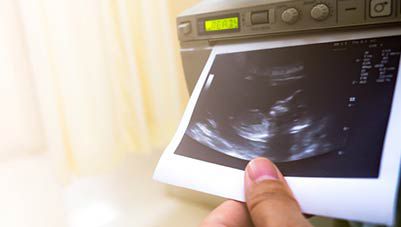
- Monitoring vital signs continuously to adjust settings as needed. In some neonatal care settings, an ultrasound machine may be used alongside monitoring systems to assist with clinical assessment.
- Using alarms and safety features to respond to any irregularities promptly
This ensures that the baby receives the right amount of oxygen and avoids complications such as lung injury.
Different types of neonatal resuscitator machines
Neonatal resuscitators can be categorised based on functionality:
- Manual resuscitators: Simple devices operated by hand using a bag and mask
- Mechanical resuscitators: Automatic machines that provide precise ventilation
- Transportable resuscitators: Portable units for use in ambulances or remote clinics
- Integrated NICU resuscitators: Advanced units with monitoring, alarms, and ventilator support
Advancements in medical technology, including nano machines, continue to contribute to innovation across healthcare and critical care environments. Each type is chosen based on the hospital’s requirements, neonatal patient condition, and clinical expertise.
Safety features of neonatal resuscitators machine
Modern neonatal resuscitators include multiple safety features to protect fragile newborns:
- Pressure limiters to prevent lung over-inflation
- Oxygen concentration monitors for accurate delivery
- Alarms for low oxygen or flow issues
- Battery backup for uninterrupted operation during power failures
- Automatic shut-off if abnormal parameters are detected
These features ensure that resuscitation is both safe and effective.
Neonatal resuscitators machine price range in India
| Type | Price range (INR) |
| Manual resuscitator | 5,000 – 15,000 |
| Mechanical resuscitator | 1,50,000 – 4,00,000 |
| Transportable resuscitator | 2,00,000 – 5,00,000 |
| Integrated NICU resuscitator | 5,00,000 – 12,00,000 |
Note: Prices vary based on features, brand, and additional monitoring capabilities.
Finance neonatal resuscitator machines with Bajaj Finance
Hospitals and clinics can invest in neonatal resuscitator machines using flexible financing options. Bajaj Finance provides medical equipment finance solutions that allow healthcare providers to acquire advanced devices without upfront financial strain.
Conclusion
Neonatal resuscitator machines are vital for saving the lives of newborns with breathing difficulties. Investing in modern medical equipment ensures better neonatal outcomes and improved care quality. Additionally, loans for doctors are available for setting up neonatal care units and purchasing essential equipment.