







Health insurance goes beyond hospitalization—it covers OPD visits, medicines, ambulance charges, preventive checkups, and even alternative treatments, giving you all-around financial security.

Check health insurance plans with comprehensive coverage
Get Quote
Health plans from leading insurers | Comprehensive coverage | Offers multiple optional add-ons to enhance coverage
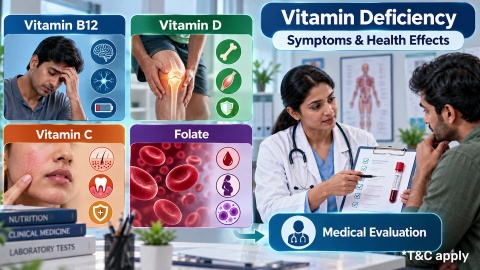
Vitamin Deficiency
In summary
Multivitamins for kids can provide essential vitamins and minerals when a child’s diet does not meet nutritional needs. A balanced diet remains the primary source of nutrients, while supplements can support children with dietary restrictions, allergies, or selective eating habits. Consult a healthcare professional before giving supplements to your child.
Key takeaways
- Multivitamins can contain nutrients such as vitamin D, vitamin C, calcium, and iron.
- A balanced diet is the preferred way to meet children’s nutritional needs.
- Supplements can support children with dietary restrictions, allergies, or fussy eating habits.
- Nutritional needs vary by age, diet, and individual health requirements.
If you are exploring health insurance options for your family, Check now to review available plans and coverage details.
Pro tip

What are the benefits of multivitamins for kids?
Multivitamins for kids can help provide specific vitamins and minerals when a child’s diet does not meet their nutritional requirements. The benefits depend on the nutrients provided and the child’s individual needs. A balanced diet remains the primary source of essential nutrients, while supplements can be considered for children with restricted diets or identified nutritional gaps.
| Nutrient | Benefit | Age group most affected |
|---|---|---|
| Vitamin D | Supports normal bone development and calcium absorption | Infants and children with limited dietary vitamin D |
| Vitamin C | Supports normal immune function and collagen formation | Children with low fruit and vegetable intake |
| Calcium | Supports normal bone and teeth development | Growing children and adolescents |
| Iron | Supports haemoglobin formation and normal cognitive development | Infants, children, and adolescents at risk of iron deficiency |
The right supplement depends on your child’s age, diet and nutritional needs. Consult a healthcare professional before starting a multivitamin.
Popular plans for you


How to choose the ideal multivitamins for kids?
Choosing a multivitamin for your child requires consideration of their age, diet and nutritional needs. Consult a healthcare professional before starting a supplement, particularly if your child has dietary restrictions or an identified nutrient deficiency.
- Age suitability: Look for a formulation labelled for your child’s age group. Nutrient requirements vary by age.
- Nutrient content: Check for nutrients relevant to your child’s needs, such as vitamin D, calcium or iron. This can help address an identified nutritional gap.
- Dosage: Check the serving size and nutrient amounts on the label. Follow the stated intake.
- Added ingredients: Review sugar, colours, flavours and preservatives listed on the label to understand what the product contains.
- Form: Choose an age-appropriate format, such as gummies, chewable tablets or liquid, that your child can take safely.
- Professional guidance: Seek advice from a healthcare professional to determine whether supplementation is appropriate for your child.
Common types of multivitamins for kids
Multivitamins for kids come in gummies, chewable tablets, liquids, powders and capsules. The appropriate format depends on your child’s age, ability to take the product and nutritional requirements. Check the product label for age-specific directions and serving information.
| Type | Form | Age suitability | Key benefit | Consideration |
|---|---|---|---|---|
| Gummies | Chewable gummy | Children who can chew safely | Provides selected vitamins and minerals in a chewable format | Check sugar content, ingredients and serving size |
| Chewable multivitamins | Chewable tablet | Children who can chew tablets safely | Provides multiple vitamins and minerals | Follow the age-specific serving instructions |
| Liquid multivitamins | Drops or liquid | Younger children, where the product is age-appropriate | Can be administered without swallowing a tablet | Measure the stated dose carefully |
| Powder or sachets | Powder | Children for whom the product is age-appropriate | Can be consumed as directed on the label | Follow preparation and serving instructions |
| Capsules | Swallowable capsule | Older children who can swallow capsules safely | Provides selected vitamins and minerals in capsule form | Confirm age suitability and serving instructions |
Health Insurance in different cities

Health Insurance in Bangalore

Health Insurance in Jaipur

Health Insurance in Pune

Health Insurance in Mumbai

Health Insurance in Kerala
Compare types of Health Insurance Plans
Tax-savings plans for you
What our customer say about us
+ Customers
Play Store Rating
Reviews
Arjun Mehta
13 Jul 2025
I opted for the Health Infinity plan for my parents. The digital onboarding was incredibly fast with no medical tests required since they are under 50. We had a minor daycare procedure last month, and the cashless approval came through in less than 2 hours. Very impressed with the efficiency.
Priya Sharma
28 Feb 2025
The Bajaj Finance Health app is a lifesaver. I use it for my regular OPD consultations and medicine orders. The 10% discount on pharmacy bills and the easy reimbursement for doctor visits make it much more than just a 'hospitalization' policy. It’s daily health support.
Sneha Kapoor
15 Mar 2025
Switched my family floater to Bajaj General this year. The network of hospitals in my city (Pune) is excellent. The only downside was a slight delay in getting my physical card, but the digital copy on the app works everywhere. The 'Wellness Rewards' for hitting step goals is a cool touch!
Are there any side effects of kids multivitamins?
Multivitamins for kids should be given according to the product label and a healthcare professional’s advice. Excess intake of some nutrients can cause adverse effects, so avoid combining multiple supplements without guidance.
- Vitamin A: The upper limit for preformed vitamin A is 600 micrograms (mcg) per day for children aged 1–3 years, 900 mcg for 4–8 years and 1,700 mcg for 9–13 years.
- Iron: The upper limit is 40 milligrams (mg) per day for children aged 1–13 years. Excess iron can cause gastrointestinal effects.
- Vitamin C: The upper limits are 400 mg for ages 1–3, 650 mg for 4–8 and 1,200 mg for 9–13.
- Allergens: Check labels for ingredients that your child needs to avoid.
- Dosage: Use the stated serving and do not exceed it without professional advice.
How do kids multivitamins boost immunity?
Multivitamins for kids can provide nutrients that support normal immune function when dietary intake is insufficient. Vitamin C, vitamin D and zinc each have specific roles in immune health.
- Vitamin C: Supports immune function and helps maintain the body’s cellular barriers. Vitamin C deficiency can impair immune function.
- Vitamin D: Supports immune responses and helps regulate immune-cell activity. Adequate vitamin D is important for normal immune function.
- Zinc: Supports both innate and adaptive immune responses and helps maintain tissue barriers. Zinc deficiency can impair immune function.
However, multivitamins should not be considered a way to prevent infections in children who already receive adequate nutrients. A varied diet remains the primary source of vitamins and minerals.
Explore and stay informed
Can you buy health insurance on EMI
Why buy health insurance
Health Insurance for family
Health Insurance Claim settlement ratio
Health Insurance waiting period
Importance of health insurance
Health Insurance for Senior Citizens
Health Insurance tax benefits
Health Insurance for parents
Health Insurance premium calculator
When should you start giving your child multivitamins?
There is no single age when every child should start taking a multivitamin. The need depends on the child’s diet, nutritional intake and individual health requirements. A healthcare professional can determine whether supplementation is appropriate.
| Age group | Typical nutritional need | When a multivitamin may help |
|---|---|---|
| Infants | Nutrients required for rapid growth and development | When a healthcare professional identifies a specific nutritional requirement |
| Toddlers | Varied nutrients from a balanced diet | When dietary intake is limited or a nutrient gap is identified |
| School-age children | Nutrients to support normal growth and development | When diet does not provide sufficient amounts of specific nutrients |
| Adolescents | Increased nutritional requirements during growth | When dietary restrictions or an identified deficiency affects nutrient intake |
Do not use symptoms such as tiredness or frequent illness alone to decide on supplementation. Seek professional advice before starting a product.
Health Insurance for Other Diseases

Antral Gastritis

Hepatomegaly Symptoms Causes & Treatment

Blood Pressure Range

PCOS Causes and Symptoms

Health insurance for Obesity
Can adults take kids multivitamins?
Adults can take some children’s multivitamins, but these products are formulated around children’s nutritional requirements and serving directions. A children’s multivitamin may not provide the amounts of vitamins and minerals an adult needs. Taking multiple servings to reach an adult requirement can also increase the risk of excessive intake of certain nutrients.
Adults should check the product label for its intended age group, nutrient amounts and serving instructions before use. People with specific nutritional requirements should seek advice from a healthcare professional before taking a children’s multivitamin. Do not assume that a higher number of servings is appropriate for adults.
For routine nutritional needs, choose a supplement formulated for your age group and follow the stated serving instructions.
Conclusion
Multivitamins for kids can help address specific nutritional gaps when a child’s diet does not provide sufficient amounts of certain vitamins or minerals. A balanced diet remains the primary source of nutrition, and supplementation should be based on your child’s individual needs and professional guidance. Choose a product according to the child’s age, nutrient requirements and label instructions. For broader healthcare needs, you can also explore a comprehensive health insurance plan that provides coverage for eligible medical expenses, subject to the policy terms. Apply now to explore health insurance coverage options for your family.
Frequently Asked Questions
About multivitamins
What are the ideal multivitamins for toddlers?
There is no single ideal multivitamin for every toddler. The appropriate supplement depends on the child’s diet, age, nutritional needs and any identified deficiencies. Consult a paediatrician before starting a supplement.
Are gummy vitamins safe for kids?
Gummy vitamins can be suitable for children when they are age-appropriate and given according to label directions. Check the serving size, sugar content and nutrient amounts, and keep them out of children’s reach to prevent accidental overconsumption.
How do multivitamins help with children's growth?
Multivitamins provide vitamins and minerals that support normal growth and development when dietary intake is insufficient. Nutrients such as vitamin D, calcium and iron have specific roles in bone development, blood formation and other essential body functions.
Can multivitamins replace a healthy diet for kids?
No. Multivitamins cannot replace a varied, balanced diet that provides nutrients, protein, fibre and energy. Supplements can address specific nutritional gaps when needed, but children should continue consuming a variety of nutrient-rich foods.
What nutrients are most commonly deficient in Indian children?
Common nutritional deficiencies reported among Indian children include iron, vitamin D and vitamin A, although prevalence varies by age, location and population. Nutritional assessment is important before supplementation because individual requirements differ.
Why should you give your child multivitamins?
You may consider a multivitamin when your child has restricted food choices, dietary limitations or an identified nutrient deficiency. A healthcare professional can assess whether supplementation is appropriate and recommend a suitable product and serving.
When is the right age to start giving multivitamins to kids?
There is no universal age to start multivitamins. Infants and children have different nutrient requirements, and supplementation depends on diet and individual needs. Consult a healthcare professional to determine whether your child requires a supplement.








Articles and Insights



Disclaimer
*T&C Apply - Bajaj Finance Limited (‘BFL’) is a registered corporate agent of third party insurance products of Bajaj Allianz Life Insurance Company Limited, HDFC Life Insurance Company Limited, Life Insurance Corporation of India (LIC), Bajaj Allianz General Insurance Company Limited, SBI General Insurance Company Limited, ACKO General Insurance Company Limited, HDFC ERGO General Insurance Company, TATA AIG General Insurance Company Limited, ICICI Lombard General Insurance Company Limited, New India Assurance Limited, Chola MS General Insurance Company Limited, Zurich Kotak General Insurance Co. Limited , Star Health & Allied Insurance Co. Limited, Care Health Insurance Company Limited, Niva Bupa Health Insurance Company Limited , Aditya Birla Health Insurance Company Limited and Manipal Cigna Health Insurance Company Limited under the IRDAI composite CA registration number CA0101. Please note that, BFL does not underwrite the risk or act as an insurer. Your purchase of an insurance product is purely on a voluntary basis after your exercise of an independent due diligence on the suitability, viability of any insurance product. Any decision to purchase insurance product is solely at your own risk and responsibility and BFL shall not be liable for any loss or damage that any person may suffer, whether directly or indirectly. Please refer insurer's website for Policy Wordings. For more details on risk factors, terms and conditions and exclusions please read the product sales brochure carefully before concluding a sale. Tax benefits applicable if any, will be as per the prevailing tax laws. Tax laws are subject to change. Tax laws are subject to change. BFL does NOT provide Tax/Investment advisory services. Please consult your advisors before proceeding to purchase an insurance product. Visitors are hereby informed that their information submitted on the website may also be shared with insurers. BFL is also a distributor of other third-party products from Assistance Services providers such as CPP Assistance Services Pvt. Ltd., Bajaj Finance Health Ltd. etc. All product information such as premium, benefits, exclusions, sum insured, value added services, etc. are authentic and solely based on the information received from the respective insurance company or the respective Assistance service provider company.
Note – While we have made all efforts and taken utmost care in gathering precise information about the products, features, benefits, etc. However, BFL cannot be held liable for any direct or indirect damage/loss. We request our customers to conduct their research about these products and refer to the respective product’s sales brochures before concluding their sale.