







ऑनलाइन डीमैट अकाउंट खोलकर इक्विटी, F&O और आगामी IPO में आसानी से निवेश करें. बजाज ब्रोकिंग के साथ पहले वर्ष के लिए मुफ्त सब्सक्रिप्शन का लाभ उठाएं

डीमैट अकाउंट के लाभ जानें
अभी देखें
मिनटों में मुफ्त डीमैट अकाउंट | कम ब्रोकरेज | ऑनलाइन अकाउंट खोलना
बुनियादी ढांचे का विकास राष्ट्र की अर्थव्यवस्था को आकार देने में महत्वपूर्ण भूमिका निभाता है, और भारत इसमें कोई अपवाद नहीं है. भारत सरकार ने राष्ट्रीय बुनियादी ढांचा पाइपलाइन (एनआईपी) और गति शक्ति मास्टर प्लान जैसी पहलों के माध्यम से बुनियादी ढांचे के विस्तार पर ध्यान केंद्रित करने से 2026 तक इस क्षेत्र में महत्वपूर्ण वृद्धि होने की उम्मीद है. निवेशकों के लिए, इन्फ्रास्ट्रक्चर स्टॉक इस विकास का लाभ उठाने का अवसर प्रदान करते हैं, जो निर्माण, बिजली, लॉजिस्टिक्स और इंजीनियरिंग जैसे विभिन्न उप-क्षेत्रों में संभावित लॉन्ग-टर्म रिटर्न प्रदान करते हैं.
यह आर्टिकल इंफ्रास्ट्रक्चर स्टॉक के प्रकार, उनकी विशेषताओं, लाभों और जोखिमों के बारे में बताता है, साथ ही उनमें निवेश करने के लिए एक गाइड भी प्रदान करता है. चाहे आप पहली बार निवेश कर रहे हों या अनुभवी ट्रेडर हों, यह गाइड आपको भारत में इन्फ्रास्ट्रक्चर निवेश के बारे में सूचित निर्णय लेने में मदद करेगी.
और देखें
कम देखें
भारत में इन्फ्रास्ट्रक्चर स्टॉक की लिस्ट 2026
| कंपनी का नाम | LTP | मार्केट कैप | P/E रेशियो | P/B रेशियो | 52 सप्ताह कम/उच्च |
| LARSEN & TOUBRO LTD. | ₹3,766.40 -2.83% | ₹5,18,217.10 | 73.55 | 541.70 | ₹3,288.10/₹4,440.00 |
| RAIL VIKAS NIGAM LIMITED | ₹202.75 -2.05% | ₹42,273.80 | 52.09 | 42.50 | ₹195.15/₹400.70 |
| ACME SOLAR HOLDINGS LTD | ₹437.90 -1.13% | ₹30,954.00 | 67.82 | 109.66 | ₹195.90/₹476.90 |
| KALPATARU PROJECT INT LTD | ₹1,375.60 -1.12% | ₹23,491.50 | 26.50 | 481.02 | ₹1,007.10/₹1,479.60 |
| CEMINDIA PROJECTS LIMITED | ₹1,233.30 -1.90% | ₹21,035.40 | 36.36 | 139.44 | ₹503.30/₹1,649.20 |
| IRB INFRA DEV LTD. | ₹17.14 -3.05% | ₹20,701.70 | 19.03 | 13.71 | ₹17.07/₹23.95 |
| ENGINEERS INDIA LTD | ₹313.90 -0.55% | ₹17,642.50 | 26.20 | 54.14 | ₹163.55/₹321.40 |
| JUNIPER GREEN ENERGY LTD | ₹270.00 +1.48% | ₹15,360.10 | 0.00 | 91.88 | ₹232.11/₹282.00 |
| VA TECH WABAG LTD | ₹1,977.20 -1.55% | ₹12,355.80 | 35.59 | 337.34 | ₹1,033.00/₹2,319.00 |
| TECHNO ELEC & ENG CO. LTD | ₹981.85 -2.42% | ₹11,418.90 | 22.71 | 361.49 | ₹870.00/₹1,396.20 |
डिस्क्लेमर: ध्यान रखें कि ऊपर दी गई लिस्ट पूरी तरह से जानकारीपूर्ण है और इसका उद्देश्य इन्वेस्टमेंट सलाह नहीं है. कोई भी इन्वेस्टमेंट निर्णय लेने से पहले अपनी खुद की रिसर्च करना या किसी फाइनेंशियल सलाहकार से बात करना महत्वपूर्ण है.
भारत में इन्फ्रास्ट्रक्चर स्टॉक का ओवरव्यू
-
LARSEN & TOUBRO LTD.
Larsen & Toubro Limited is an Indian multinational engaged in EPC Projects, Hi-Tech Manufacturing and Services. The Company is a major technology, engineering, construction, manufacturing and financial services conglomerate, with अधिक पढ़ें -
RAIL VIKAS NIGAM LIMITED
Rail Vikas Nigam Limited (RVNL) was incorporated in New Delhi as a Public Limited Company on 24 January, 2003. The Company was issued its Certificate of Commencement of Business on अधिक पढ़ें -
ACME SOLAR HOLDINGS LTD
ACME Solar Holdings Limited was incorporated as a Private Limited Company as 'ACME Solar Holdings Private Limited' on June 3, 2015. Upon the conversion of the status to Public Company, अधिक पढ़ें -
KALPATARU PROJECT INT LTD
Kalpataru Power International Limited (KPIL) was incorporated on 23 April, 1981, as 'HT Power Structures Private Limited'. The Company converted into a public limited company in May, 1997, changed its अधिक पढ़ें -
CEMINDIA PROJECTS LIMITED
Cemindia Projects Limited was initially incorporated on June 24, 1978 as 'Cemindia Company Limited' and obtained Certificate of Commencement of Business on the 6th November, 1978. Company changed its name अधिक पढ़ें -
IRB INFRA DEV LTD.
IRB Infrastructure Developers Limited is India's first integrated multi-national transport infrastructure developer in the roads and highways segment. The Company have built a marquee portfolio of landmark projects, including the अधिक पढ़ें -
ENGINEERS INDIA LTD
Engineers India Limited (EIL) is a Government of India Enterprise under Ministry of Petroleum and Natural Gas. Transcending its oil and gas roots, EIL has planted its flag across diverse, अधिक पढ़ें -
JUNIPER GREEN ENERGY LTD
Juniper Green Energy was originally incorporated as 'AT Capital Advisory India Private Limited' as a Private Company, dated December 5, 2011. Subsequently, the name of the Company was changed to अधिक पढ़ें -
VA TECH WABAG LTD
VA Tech Wabag Limited, founded in 1924, is a global leader in water technology, delivering innovative and sustainable solutions for municipal and industrial applications. As a global water technology leader, Company अधिक पढ़ें -
TECHNO ELEC & ENG CO. LTD
Techno Electric & Engineering Company Limited (Formerly Simran Wind Project Limited) was incorporated as a Public Limited Company in October 26, 2005. The Company name was thereafter changed from Simran अधिक पढ़ें
और देखें
कम देखें
मौजूदा IPO
मेनबोर्ड
SME

AONE STEELS INDIA LIMITED
बोली लगाने की अवधि
28 Sept 2026- 24 Sept 2026
निवेश की न्यूनतम राशि
₹14,245 / 13 Lot

MONEYVIEW LIMITED
बोली लगाने की अवधि
28 Sept 2026- 24 Sept 2026
निवेश की न्यूनतम राशि
₹14,112 / 13 Lot

RUNWAL ENTERPRISES LIMITED
बोली लगाने की अवधि
29 Sept 2026- 25 Sept 2026
निवेश की न्यूनतम राशि
₹14,210 / 13 Lot

ACEVECTOR LIMITED
बोली लगाने की अवधि
29 Sept 2026- 25 Sept 2026
निवेश की न्यूनतम राशि
₹14,040 / 13 Lot

GERMAN GREEN STEEL AND POWER LIMITED
बोली लगाने की अवधि
29 Sept 2026- 25 Sept 2026
निवेश की न्यूनतम राशि
₹14,124 / 13 Lot

GREEN ASIA IMPEX LIMITED IPO
बोली लगाने की अवधि
24 Sept 2026 -
28 Sept 2026
निवेश की न्यूनतम राशि
₹1,36,000 / 1 Lot

PESHWA WHEAT LIMITED IPO
बोली लगाने की अवधि
24 Sept 2026 -
28 Sept 2026
निवेश की न्यूनतम राशि
₹1,14,000 / 1 Lot

ROOPA SCREEN LIMITED IPO
बोली लगाने की अवधि
24 Sept 2026 -
28 Sept 2026
निवेश की न्यूनतम राशि
₹1,20,000 / 1 Lot

SAI URJA INDO VENTURES LIMITED IPO
today
बोली लगाने की अवधि
25 Sept 2026 -
29 Sept 2026
निवेश की न्यूनतम राशि
₹1,28,400 / 1 Lot

HIMALAYAN SOLAR LIMITED IPO
today
बोली लगाने की अवधि
25 Sept 2026 -
29 Sept 2026
निवेश की न्यूनतम राशि
₹1,17,600 / 1 Lot
भारत में इन्फ्रास्ट्रक्चर स्टॉक के प्रकार
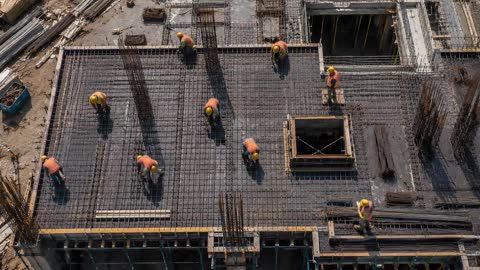
भारत में इंफ्रास्ट्रक्चर स्टॉक
भारत में बुनियादी ढांचे के स्टॉक को व्यापक रूप से उन क्षेत्रों के आधार पर वर्गीकृत किया जा सकता है. यहां मुख्य प्रकार दिए गए हैं:
1. कंस्ट्रक्शन स्टॉक
- सड़कें, पुल और अन्य नागरिक बुनियादी ढांचे के निर्माण में शामिल कंपनियां.
- उदाहरण: Larsen & Toubro (L&T), IRB इन्फ्रास्ट्रक्चर डेवलपर्स.
2. एनर्जी स्टॉक
- बिजली उत्पादन, नवीकरणीय ऊर्जा और बिजली वितरण में शामिल कंपनियां.
- उदाहरण: NTPC, Tata पावर, Adani Green Energy.
3. ट्रांसपोर्टेशन स्टॉक
- बंदरगाहों, रेलवे और अन्य परिवहन केंद्रों का प्रबंधन करने वाली कंपनियां.
- उदाहरण: कंटेनर कॉर्पोरेशन ऑफ इंडिया (कॉनकोर), अडानी पोर्ट्स.
4. लॉजिस्टिक्स स्टॉक
- सप्लाई चेन और लॉजिस्टिक्स समाधान प्रदान करने वाली कंपनियां.
- उदाहरण: ब्लू डार्ट एक्सप्रेस, गति लिमिटेड.
5. इंजीनियरिंग स्टॉक
- बड़े पैमाने पर इन्फ्रास्ट्रक्चर प्रोजेक्ट के लिए इंजीनियरिंग समाधान प्रदान करने वाली कंपनियां.
- उदाहरण: भारत हेवी इलेक्ट्रिकल्स लिमिटेड (BHEL), सीमेन्स इंडिया.
और देखें
कम देखें
इन्फ्रास्ट्रक्चर स्टॉक की प्रमुख विशेषताएं
इन्फ्रास्ट्रक्चर स्टॉक में निवेश करने के लिए विशेष विशेषताएं होती हैं जो उन्हें अन्य क्षेत्रों से अलग बनाती हैं:
- लॉन्ग-टर्म ग्रोथ की क्षमता: इन्फ्रास्ट्रक्चर प्रोजेक्ट की गेस्टेशन अवधि लंबी होती है, जो समय के साथ स्थिर वृद्धि प्रदान करती है.
- सरकारी सहायता: कई इन्फ्रास्ट्रक्चर प्रोजेक्ट को सरकार से फाइनेंशियल और पॉलिसी सहायता प्राप्त होती है.
- क्षेत्रीय विविधता: निवेशक निर्माण, बिजली और लॉजिस्टिक्स सहित उप-क्षेत्रों की विस्तृत रेंज में से चुन सकते हैं.
- डिविडेंड के अवसर: कुछ इन्फ्रास्ट्रक्चर कंपनियां, विशेष रूप से उपयोगिताओं में, नियमित डिविडेंड प्रदान करती हैं, जिससे वे पैसिव निवेशकों के लिए आकर्षक बन जाते हैं.
और देखें
कम देखें
Start investing today

Open Demat Account
Open Trading Account

Margin Trading Facility
भारत में इन्फ्रास्ट्रक्चर स्टॉक में निवेश कैसे करें?
इन्फ्रास्ट्रक्चर स्टॉक में निवेश करने के लिए एक व्यवस्थित दृष्टिकोण की आवश्यकता होती है. शुरू करने के चरण इस प्रकार हैं
- डीमैट अकाउंट खोलें: स्टॉक होल्ड करने और ट्रेडिंग करने के लिए डीमैट अकाउंट आवश्यक है. आप अपनी पसंद के प्लेटफॉर्म के साथ डीमैट अकाउंट खोल सकते हैं.
- रिसर्च स्टॉक: इन्फ्रास्ट्रक्चर सेक्टर में कंपनियों की परफॉर्मेंस, फाइनेंशियल और विकास क्षमता का अध्ययन करें.
- अपने पोर्टफोलियो को डाइवर्सिफाई करें: जोखिमों को कम करने के लिए अपने निवेश को विभिन्न सब-सेक्टरों में फैलाएं.
- मार्जिन ट्रेडिंग सुविधाओं का उपयोग करें: अगर आप ऐक्टिव ट्रेडर हैं, तो अपने निवेश का लाभ उठाने के लिए मार्जिन ट्रेडिंग सुविधा का उपयोग करने पर विचार करें.
- परफॉर्मेंस की निगरानी करें: नियमित रूप से अपने निवेश के परफॉर्मेंस को ट्रैक करें और मार्केट ट्रेंड के बारे में अपडेट रहें.
और देखें
कम देखें
इन्फ्रास्ट्रक्चर स्टॉक में निवेश करते समय ध्यान देने योग्य बातें
1. कंपनी के मूल सिद्धांत
कर्ज़ के स्तर, राजस्व और लाभप्रदता सहित कंपनी की फाइनेंशियल हेल्थ का मूल्यांकन करना आवश्यक है. भारत में इन्फ्रास्ट्रक्चर कंपनियों को आमतौर पर उच्च पूंजी निवेश की आवश्यकता होती है, जिससे फाइनेंशियल स्थिरता लॉन्ग-टर्म सफलता का एक महत्वपूर्ण निर्धारक बन जाती है.
2. ऑर्डर बुक और निष्पादन क्षमता
एक मजबूत ऑर्डर बुक संभावित भविष्य के राजस्व को दर्शाती है, लेकिन लाभप्रदता बनाए रखने के लिए कंपनी की प्रोजेक्ट को कुशलतापूर्वक निष्पादित करने की क्षमता समान रूप से महत्वपूर्ण है. प्रमुख इन्फ्रास्ट्रक्चर स्टॉक अक्सर मजबूत निष्पादन ट्रैक रिकॉर्ड और मजबूत ग्राहक संबंध वाली फर्मों से संबंधित होते हैं.
3. नियामक पर्यावरण
नियामक बदलाव सीधे प्रोजेक्ट की समय-सीमा और लागत को प्रभावित कर सकते हैं, जिससे समग्र इंफ्रास्ट्रक्चर सेक्टर प्रभावित हो सकता है. नियामक विकास के बारे में अपडेट रहना जोखिमों का आकलन करने और उद्योग में अवसरों की पहचान करने के लिए महत्वपूर्ण है.
4. मार्केट की मांग और सेक्टर के ट्रेंड
परिवहन, ऊर्जा, दूरसंचार जैसे विशिष्ट बुनियादी ढांचे के क्षेत्रों की मांग को समझने से बेहतर निवेश निर्णय मिल सकते हैं. महत्वपूर्ण विकास क्षमता वाले क्षेत्रों को प्राथमिकता देना प्रतिस्पर्धी बढ़त प्रदान करता है.
5. राजनीतिक स्थिरता
बुनियादी ढांचे की नीतियों और परियोजनाओं की निरंतरता में राजनीतिक स्थिरता महत्वपूर्ण भूमिका निभाती है. अस्थिरता के कारण देरी या कैंसलेशन हो सकता है, जिससे राजस्व और लाभ प्रभावित हो सकता है.
6. आर्थिक विकास
बुनियादी ढांचे के क्षेत्र का विकास समग्र आर्थिक मार्ग से घनिष्ठ रूप से जुड़ा हुआ है. दुनिया की सबसे तेज़ी से बढ़ती अर्थव्यवस्थाओं में से एक के रूप में, भारत बुनियादी ढांचे में निवेश के लिए महत्वपूर्ण क्षमता प्रदान करता है, जिसमें अंडरवैल्यूड स्टॉक में उभरते अवसर शामिल हैं.
और देखें
कम देखें
इन्फ्रास्ट्रक्चर सेक्टर के स्टॉक में किसे निवेश करना चाहिए?
इन्फ्रास्ट्रक्चर स्टॉक विभिन्न प्रकार के निवेशकों के लिए उपयुक्त हैं:
- नए से निवेश करने वाले व्यक्ति: जो लंबी अवधि के अवसरों के साथ अपनी निवेश यात्रा शुरू करना चाहते हैं.
- पैसिव निवेशक: डिविडेंड-पेइंग स्टॉक के माध्यम से स्थिर रिटर्न चाहने वाले निवेशक.
- ऐक्टिव ट्रेडर: इन्फ्रास्ट्रक्चर स्टॉक में शॉर्ट-टर्म प्राइस मूवमेंट का लाभ उठाने का लक्ष्य रखने वाले ट्रेडर.
- वेल्थ बिल्डर्स: उच्च विकास की क्षमता वाले विविध पोर्टफोलियो बनाने पर ध्यान केंद्रित करने वाले व्यक्ति.
और देखें
कम देखें
आगामी IPO
मेनबोर्ड
SME
Aarvee Engineering Consultants Limited
बोली लगाना
To
be announced
कीमत
To be announced
Abakkus Asset Manager Limited
बोली लगाना
To
be announced
कीमत
To be announced
Absolute Project India Limited
बोली लगाना
To
be announced
कीमत
To be announced
Advanced SysTek Limited
बोली लगाना
To
be announced
कीमत
To be announced
Advanta Enterprises Limited
बोली लगाना
To
be announced
कीमत
To be announced

Papadmalji Agro Foods Limited IPO
बोली लगाना
29 Sept 2026 - 01 Oct 2026
कीमत
69 - 72

Vans Electroengineerings Limited IPO
बोली लगाना
29 Sept 2026 - 01 Oct 2026
कीमत
112 - 118

Acme India Industries Limited IPO
बोली लगाना
30 Sept 2026 - 06 Oct 2026
कीमत
186 - 196

Eventions Limited IPO
बोली लगाना
30 Sept 2026 - 05 Oct 2026
कीमत
112 - 118

Paramount Syntex Limited IPO
बोली लगाना
30 Sept 2026 - 06 Oct 2026
कीमत
119 - 127
केंद्रीय बजट 2026-27 में इन्फ्रास्ट्रक्चर स्टॉक को प्रभावित करने वाले अपडेट
केंद्रीय बजट 2026-27 ने बुनियादी ढांचे के विकास को भारत की विकास यात्रा की आधारशिला बना दिया है, जिसमें ऐतिहासिक पूंजी आवंटन और कनेक्टिविटी, शहरीकरण और आर्थिक गतिविधि को बढ़ावा देने के लिए डिज़ाइन किए गए लक्षित नीति प्रोत्साहन शामिल हैं.
रिकॉर्ड सार्वजनिक पूंजीगत व्यय
वित्तीय वर्ष 2026-27 के लिए ₹12.2 लाख करोड़ के प्रस्तावित पूंजीगत व्यय के साथ-साथ आज तक का सबसे अधिक आवंटन बुनियादी ढांचे-आधारित विकास के लिए एक दृढ़ प्रतिबद्धता को दर्शाता है. निवेश परिवहन, लॉजिस्टिक्स और शहरी और क्षेत्रीय बुनियादी ढांचे की परियोजनाओं पर केंद्रित हैं.
परिवहन और कनेक्टिविटी को बढ़ावा देना
खर्च का एक बड़ा हिस्सा रेलवे, सड़कों और लॉजिस्टिक्स नेटवर्क को समर्पित है. इसमें नए रेल लाइन निर्माण के लिए फंडिंग, रोलिंग स्टॉक विस्तार और यात्रा और माल ढुलाई के समय को कम करने के लिए फ्रेट इंफ्रास्ट्रक्चर में वृद्धि शामिल है, जिससे पूरे क्षेत्रों में आर्थिक दक्षता को बढ़ावा मिलता है.
शहरी और क्षेत्रीय विकास
बजट तेजी से शहरीकरण और शहर आर्थिक क्षेत्रों (सीईआर) के विकास में बुनियादी ढांचे को प्राथमिकता देता है. इन पहलों का उद्देश्य आवास, वाणिज्यिक सुविधाओं और सार्वजनिक सुविधाओं की मांग को प्रोत्साहित करके संतुलित शहरीकरण को प्रोत्साहित करना है. इसके अलावा, ₹12.2 लाख करोड़ का आवंटन समान विकास को बढ़ावा देने के लिए राज्य-स्तरीय बुनियादी ढांचे की पहलों का समर्थन करता है.
इन्फ्रास्ट्रक्चर जोखिम कम करना और फाइनेंसिंग
निजी क्षेत्र की अधिक भागीदारी को आकर्षित करने के लिए, बजट में बड़े बुनियादी ढांचे की परियोजनाओं को जोखिम से मुक्त करने के उपाय पेश किए गए हैं. रिस्क-गारंटी फंड और ब्लेंडेड फाइनेंस स्ट्रक्चर जैसे तंत्र लॉन्ग-टर्म निवेश को प्रोत्साहित करने और उच्च प्रभाव वाले, लॉन्ग-जेस्टेशन प्रोजेक्ट में पूंजी प्रवाह को बढ़ावा देने के लिए प्रस्तावित हैं.
केंद्रीय बजट बुनियादी ढांचे के नेतृत्व वाले आर्थिक विकास के माध्यम से भारत को बदलने, बेहतर कनेक्टिविटी और सतत शहरी विकास के लिए चरण निर्धारित करने के सरकार के दृष्टिकोण को मजबूत करता है.
और देखें
कम देखें
भारत में इन्फ्रास्ट्रक्चर स्टॉक में निवेश करने के लाभ
इन्फ्रास्ट्रक्चर स्टॉक में निवेश करने से कई लाभ मिलते हैं:
- पोर्टफोलियो डाइवर्सिफिकेशन: ऊर्जा, निर्माण और लॉजिस्टिक्स जैसे कई क्षेत्रों का एक्सपोज़र.
- उच्च रिटर्न की संभावना: सरकारी पहलों और आर्थिक विस्तार द्वारा संचालित लॉन्ग-टर्म ग्रोथ की संभावनाएं.
- नियमित आय: डिविडेंड-पेइंग स्टॉक अतिरिक्त आय प्रदान करते हैं.
- महंगाई के खिलाफ हेज: इन्फ्रास्ट्रक्चर एसेट अक्सर महंगाई की अवधि के दौरान वैल्यू बनाए रखते हैं.
और देखें
कम देखें
Features and Benefits of LAS

Tenure 36 months
Flexible repayment from 7 days to 36 months

1000+ shares
Get 50% value on 1000+ shares

All DP shares available
All companies’ and DPs’ Demat accounts accepted for loans

Customer portal
Handle loans, shares, and statements — all in one place
निष्कर्ष
भारत में बुनियादी ढांचे के स्टॉक सरकारी पहलों और बढ़ते निजी क्षेत्र की भागीदारी के कारण पर्याप्त वृद्धि के लिए तैयार हैं. निर्माण और ऊर्जा से लेकर लॉजिस्टिक्स और इंजीनियरिंग तक, यह क्षेत्र सभी प्रकार के निवेशकों के लिए विभिन्न निवेश अवसर प्रदान करता है.
और देखें
कम देखें
एक्सपर्ट सलाह

आपके लिए टॉप इन्वेस्टमेंट विकल्प





संबंधित आर्टिकल



सामान्य प्रश्न
इन्फ्रास्ट्रक्चर स्टॉक
क्या इन्फ्रास्ट्रक्चर स्टॉक एक अच्छा निवेश है?
हां, इन्फ्रास्ट्रक्चर स्टॉक एक अच्छा निवेश हो सकते हैं क्योंकि उन्हें लॉन्ग-टर्म आर्थिक विकास और विकास परियोजनाओं पर सरकारी खर्च से लाभ मिलता है. वे अक्सर स्थिर कैश फ्लो और संभावित पूंजी वृद्धि प्रदान करते हैं. हालांकि, निवेशकों को निवेश करने से पहले प्रोजेक्ट में देरी और नियामक बदलाव जैसे जोखिमों पर विचार करना चाहिए.
क्या इंफ्रा सेक्टर स्टॉक में निवेश करते समय डाइवर्सिफिकेशन महत्वपूर्ण है?
बिल्कुल. डाइवर्सिफिकेशन इन्फ्रास्ट्रक्चर सेक्टर के भीतर व्यक्तिगत प्रोजेक्ट या कंपनियों से जुड़े जोखिमों को कम करने में मदद करता है. परिवहन, ऊर्जा और दूरसंचार जैसे विभिन्न क्षेत्रों में निवेश फैलाकर-निवेशक उतार-चढ़ाव को बेहतर तरीके से मैनेज कर सकते हैं और अपने समग्र पोर्टफोलियो की स्थिरता में सुधार कर सकते हैं.
भारत की सबसे बड़ी इन्फ्रास्ट्रक्चर कंपनी कौन है?
लार्सन एंड टूब्रो (एल एंड टी) को भारत की सबसे बड़ी बुनियादी ढांचा कंपनी माना जाता है. यह इंजीनियरिंग, निर्माण, टेक्नोलॉजी और निर्माण में काम करता है, परिवहन, बिजली, रक्षा और रियल एस्टेट में बड़े पैमाने पर प्रोजेक्ट चलाता है. दशकों के अनुभव के साथ, L&T को अपनी मजबूत ऑर्डर बुक और वैश्विक उपस्थिति के लिए जाना जाता है, जो भारत के बुनियादी ढांचे के विकास का प्रतीक है.
अस्वीकरण
सिक्योरिटीज़ मार्केट में निवेश मार्केट जोखिम के अधीन है, निवेश करने से पहले सभी संबंधित डॉक्यूमेंट्स को ध्यान से पढ़ें.
बजाज फाइनेंशियल सिक्योरिटीज़ लिमिटेड (बजाज ब्रोकिंग) द्वारा प्रदान की जाने वाली ब्रोकिंग सेवाएं. रजिस्टर्ड ऑफिस: बजाज ऑटो लिमिटेड कॉम्प्लेक्स, मुंबई - पुणे रोड आकुर्डी पुणे 411035. कॉर्पोरेट ऑफिस: बजाज फाइनेंशियल सिक्योरिटीज़ लिमिटेड, 1st फ्लोर, मंत्री IT पार्क, टावर बी, यूनिट नंबर 9 और 10, विमान नगर, पुणे, महाराष्ट्र 411014. SEBI रजिस्ट्रेशन नंबर: INZ000218931 | BSE कैश/F&O/CDS (मेंबर ID: 6706) | NSE कैश/F&O/CDS (मेंबर ID: 90177) | MCX (मेंबर ID: 57680) | DP रजिस्ट्रेशन नंबर: IN-DP-418-2019 | CDSL DP नंबर: 12088600 | NSDL DP नं. IN304300 | AMFI रजिस्ट्रेशन नंबर: ARN -163403.
अनुपालन अधिकारी का विवरण: श्री हरिनाथ रेड्डी मुथुला (ब्रोकिंग/DP/रिसर्च के लिए) | ईमेल: compliance_sec@bajajbroking.in | संपर्क नंबर: 020-4857 4486. किसी भी निवेशक की शिकायत के लिए compliance_sec@bajajbroking.in/ compliance_dp@bajajbroking.in (DP से संबंधित) पर ईमेल करें
यह कंटेंट केवल शिक्षा के उद्देश्य से है. उद्धृत सिक्योरिटीज़ उदाहरण के लिए हैं और सिफारिश नहीं की जाती हैं.
SEBI रजिस्ट्रेशन: INH000010043 के तहत रिसर्च एनालिस्ट के रूप में बजाज ब्रोकिंग द्वारा रिसर्च सेवाएं प्रदान की जाती हैं.
अधिक अस्वीकरण के लिए, यहां देखें: https://www.bajajbroking.in/disclaimer