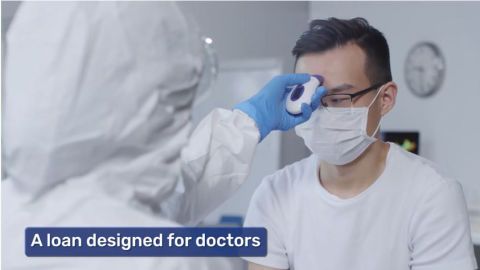
A fellowship in diabetology is a specialised medical programme designed for doctors who want advanced knowledge in diabetes care and management. The course focuses on diagnosis, treatment planning, prevention of complications, and patient counselling.
Key highlights:
- Available primarily for MBBS graduates and registered medical practitioners.
- Covers diabetes diagnosis, treatment, insulin therapy, and complication management.
- Course duration generally ranges from 6 months to 2 years, depending on the institute.
- Offered through universities, medical colleges, and healthcare institutions across India.
- Admission may be based on academic qualifications, merit, interviews, or institute-specific criteria.
- Fees vary by institution, course format, and duration.
- Doctors can consider a doctor loan or professional education financing to manage course expenses.
Advanced diabetology training can improve clinical skills and career opportunities in diabetes care.
Diabetes is one of the fastest-growing health concerns in India. As the number of patients increases, healthcare providers require specialised knowledge to diagnose, treat, and manage diabetes effectively.
A fellowship in diabetology helps doctors develop advanced clinical skills in diabetes management. The programme combines theoretical learning with practical exposure to patient care.
What is fellowship in diabetology?
A fellowship in diabetology is a specialised postgraduate training programme for medical practitioners. It focuses on the prevention, diagnosis, treatment, and long-term management of diabetes and its complications.
The programme helps doctors understand modern diabetes therapies, insulin management, lifestyle interventions, and patient education. It is designed to strengthen practical skills needed for diabetes care in hospitals, clinics, and specialised healthcare settings.
What are the fellowship in diabetology eligibility criteria?
Eligibility requirements may vary between institutions. However, most programmes follow similar criteria.
| Eligibility Parameter | Typical Requirement |
|---|---|
| Educational qualification | MBBS or equivalent medical degree |
| Registration | Valid medical council registration |
| Academic record | As per institute requirements |
| Experience | May be preferred by some institutions |
| Admission process | Merit, interview, or institute-specific selection |
Key highlights of fellowship in diabetology
| Feature | Details |
| Course focus | Diabetes diagnosis and management |
| Target candidates | MBBS graduates and medical practitioners |
| Learning mode | Classroom, online, or blended |
| Training areas | Clinical practice and diabetes care |
| Duration | Usually 6 months to 2 years |
| Career scope | Diabetes clinics, hospitals, and private practice |
Why pursue a fellowship in diabetology?
A fellowship in diabetology can help doctors build specialised expertise in managing diabetic patients.
Benefits may include:
- Better understanding of diabetes diagnosis and treatment.
- Exposure to modern diabetes therapies.
- Improved patient management skills.
- Enhanced knowledge of diabetes-related complications.
- Opportunities for specialised clinical practice.
- Professional development in a growing healthcare field.
Educational qualifications required for fellowship in diabetology
Most institutes require candidates to possess a recognised medical qualification.
Commonly accepted qualifications include:
- MBBS
- Equivalent recognised medical degree
- Medical council registration as required by the institution
Some institutes may have additional eligibility requirements based on their admission policies.
Who can apply for a fellowship in diabetology?
The programme is generally suitable for:
- MBBS graduates
- General physicians
- Medical practitioners seeking specialisation in diabetes care
- Doctors interested in preventive healthcare
- Professionals involved in chronic disease management
Candidates should verify institute-specific eligibility conditions before applying.
How does the fellowship in diabetology admission process work?
The admission process differs across institutions. Most programmes follow a structured selection process.
Steps to apply for fellowship in diabetology
- Check eligibility according to the institution's requirements.
- Complete the application form through the online or offline admission portal.
- Submit supporting documents, including educational certificates and registration details.
- Attend an interview or assessment, if required.
- Receive admission confirmation after successful selection.
- Pay the applicable fees and complete enrolment.
Fellowship in diabetology course duration
The duration of a fellowship in diabetology varies by institution and programme format.
| Programme Type | Typical Duration |
| Short-term fellowship | 6–12 months |
| Advanced fellowship | 1–2 years |
| Flexible learning programme | As specified by the institution |
Fellowship in diabetology fees structure
Course fees vary depending on the institution, learning format, faculty, and training facilities.
Factors affecting fees include:
- Institution reputation
- Course duration
- Clinical exposure
- Online or classroom format
- Certification and assessment structure
Prospective candidates should check the latest fee structure directly with the institution before applying.
Fellowship in diabetology vs certificate course in diabetes management
| Parameter | Fellowship in Diabetology | Certificate Course in Diabetes Management |
| Depth of study | Advanced and comprehensive | Foundational to intermediate |
| Clinical exposure | Usually higher | May be limited |
| Duration | Generally longer | Usually shorter |
| Focus | Specialised diabetology training | Basic diabetes management |
| Career value | Advanced skill development | Skill enhancement |
Financing options for fellowship in diabetology
Advanced medical education can involve considerable expenses. Doctors often seek structured financing solutions to manage tuition fees and related educational costs.A doctor loan can help eligible medical professionals fund specialised training, certification programmes, educational expenses, and professional growth opportunities. Depending on eligibility, doctors may access loan amounts ranging from Rs. 2 lakh to Rs. 80 lakh, with repayment tenures from 12 to 96 months.
Key doctor loan features include:
| Parameter | Details |
| Loan amount | Rs 2 lakh to Rs. 80 lakh |
| Interest rate | 11% to 17% per annum |
| Repayment tenure | 12 to 96 months |
| Minimum CIBIL score | 650 |
| Processing fee | Up to 2.95% of the loan amount (inclusive of applicable taxes) |
| Disbursal | Within 48 hours* of approval |
Doctors can also explore a loan for professionals to support educational and career-related financial requirements.
Healthcare professionals planning higher education may benefit from understanding different healthcare finance options available for medical training and professional development.
In conclusion, a fellowship in diabetology provides specialised training for doctors who wish to enhance their expertise in diabetes care. The programme covers clinical management, treatment planning, complication prevention, and patient counselling.
Before enrolling, candidates should evaluate eligibility requirements, course duration, curriculum, fees, and admission procedures. Proper financial planning can also help doctors pursue advanced training without disrupting their professional goals.