Published Apr 29, 2026 · 3 Min Read

Does a washing machine need water pressure and why does it matter

Water pressure is an important but often ignored factor in how a washing machine works in Indian homes. Fully automatic machines need a minimum pressure to fill the drum properly within the set time. If the pressure is too low, the drum fills slowly, cycles may not finish on time, and the machine can show error codes or stop midway. Knowing the water pressure your machine needs helps you avoid poor wash results, extra repairs, and interruptions to your laundry.


If your washing machine needs replacing, head at any of Bajaj Finserv’s 1.5 lakh partner stores in 4,000 cities in India. Choose your ideal model, pay with Easy EMIs, and enjoy zero down payment on select deals. Simply check your loan eligibility now and bring home your desired product without worrying about overspending.

Does the water pressure requirement differ between washing machine types

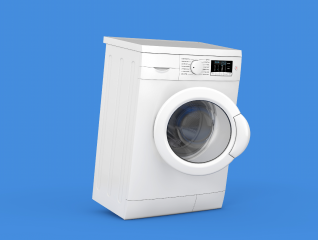
Different washing machine types handle water pressure differently, and knowing your machine type helps you understand what pressure level is acceptable for reliable daily operation.


  • Fully automatic top load machines: These machines rely entirely on a connected water supply at adequate pressure to fill the drum automatically at each stage of the cycle. Most top load fully automatic machines require a minimum pressure of 0.3 bar to fill within the programmed time. Below this level, the machine may display a water fill error or take significantly longer than expected to complete a cycle.
  • Fully automatic front load machines: Front load machines are generally slightly more sensitive to water pressure than top load models because they use precise water levels for different wash programmes. Most require a minimum of 0.3 to 0.5 bar of inlet pressure for consistent and reliable operation across all programmes.
  • Semi-automatic twin tub machines: Semi-automatic machines are the most flexible in terms of water pressure because they can be filled manually using a bucket if the tap pressure is insufficient. Many Indian households in low-pressure areas prefer semi-automatic machines for this reason.
  • Built-in or plumbed-in washing machines: These models are permanently connected to the home plumbing system and depend entirely on household water pressure. If your home has consistently low pressure, a pressure booster pump may be required for reliable operation of a built-in model.

What is the ideal water pressure level for a washing machine

Knowing the recommended pressure range for your washing machine helps you identify whether your home's supply meets the requirement and what to do if it does not.


  • Minimum acceptable pressure for most machines: The minimum water pressure required for most fully automatic washing machines in India is 0.3 bar, which is equivalent to approximately 30 kPa or a water column height of around 3 metres above the inlet point.
  • Ideal operating pressure range: The ideal water pressure for smooth, consistent washing machine performance is between 0.5 bar and 8 bar. Most machines are designed to operate comfortably throughout this range without any adjustment or additional equipment.
  • Maximum safe pressure: Very high water pressure above 10 bar can damage the inlet valve, hose connections and internal seals of a washing machine over time. If your building has very high mains pressure, a pressure reducer valve on the inlet can protect the appliance.
  • How to check your home water pressure: A simple pressure gauge that attaches to an outdoor tap or washing machine inlet hose is available at most hardware stores in India for under Rs. 500. Checking your pressure before installation helps you identify whether a booster pump is needed.
  • Overhead tank versus direct municipal supply: Homes relying on an overhead storage tank typically experience lower water pressure than those connected directly to a municipal main. The actual pressure from an overhead tank depends on the height of the tank above the machine, with each metre of height providing approximately 0.1 bar of pressure.

How does water pressure affect washing machine cleaning performance

Water pressure does not just affect fill speed. It has a direct impact on how thoroughly your clothes are washed during every cycle.


  • Insufficient pressure leads to incomplete drum filling: When the machine cannot fill to the required water level within the programmed time, it may proceed with less water than needed for the selected load size. This results in clothes not being fully submerged, reducing washing effectiveness and leaving detergent residue on fabrics.
  • Detergent dispenser requires adequate pressure to flush correctly: In front load machines, water pressure is used to flush detergent, fabric softener and pre-wash from the dispenser drawer into the drum. Low pressure means detergent is not fully flushed, leaving residue in the drawer and reducing the concentration of detergent reaching the clothes.
  • Rinse cycles are less effective under low pressure: The rinse cycle relies on a fresh fill of clean water to dilute and remove detergent from the laundry. Inadequate pressure during the rinse phase means less water enters the drum, leaving detergent traces on clothes that can cause skin irritation and fabric stiffness after drying.
  • Cycle times increase significantly: When pressure is low, the machine takes longer to reach the required water level at each fill stage. This extends the total cycle duration, increases electricity consumption and can cause the machine's timer to misalign with the actual cycle progress.

What are the common water pressure issues with washing machines and how do you fix them

Low water pressure is a common complaint among Indian washing machine users, particularly in apartments and areas with ageing water supply infrastructure. These fixes address the most frequent pressure-related problems.


  • Check the inlet hose filter for blockage: The small mesh filter at the point where the inlet hose connects to the machine collects sediment over time and restricts water flow. Turn off the tap, disconnect the hose, remove the filter and rinse it under running water every three to six months to restore full flow.
  • Ensure the tap is fully open: This may seem obvious, but a partially closed inlet tap is one of the most common causes of low fill pressure. Always ensure the tap connected to the washing machine is turned fully open before starting a cycle.
  • Elevate the overhead tank if possible: If your water supply comes from a rooftop tank, raising the tank height by even one metre increases inlet pressure by approximately 0.1 bar. In buildings with very low tank positioning, this simple change can meaningfully improve fill speed and washing performance.
  • Install a booster pump: For homes with consistently low municipal or tank pressure below 0.3 bar, a small inline booster pump installed on the washing machine's inlet pipe increases pressure to the required level. These pumps are available at plumbing suppliers across India for Rs. 3,000 to Rs. 8,000 including installation.
  • Replace a faulty inlet valve: If pressure at the tap is adequate but the machine still fills slowly, the inlet valve inside the machine may be partially blocked or failing. An authorised technician can inspect and replace the valve at a relatively low cost for most machine brands.


Get electronics and appliances on Easy EMIs with Bajaj Finserv


Upgrading your home with the latest electronics and appliances is now easier and more affordable with Bajaj Finserv’s flexible financing options. Follow these steps to get started:


  • Explore products on Bajaj Mall: Browse a wide range of electronics and appliances from trusted brands. Compare features like energy ratings, storage capacity, performance settings, and design to choose the right product for your home.
  • Visit a partner store: Once you shortlist a model, step into any of Bajaj Finserv’s 1.5 lakh partner stores across 4,000 cities in India. See the product in person, talk to experts, and make a confident decision.
  • Choose the Easy EMI Loan option: At checkout, select the Bajaj Finserv Easy EMI Loan. Avail financing of up to Rs. 5 lakh and split the cost into convenient monthly instalments. Some products also come with a zero down payment option.
  • Check your loan eligibility online: Plan better by checking your loan eligibility in minutes. Simply enter your mobile number and OTP to know your pre-approved limit.
  • Use the EMI Network Card for purchases up to Rs. 3 lakh: Already own the Bajaj Finserv EMI Network Card? Use it for instant, paperless checkout and convert your purchases of up to Rs. 3 lakh into Easy EMIs.

FAQs

Can I buy a washing machine on EMI?

Yes, you can easily bring home your preferred washing machine using Bajaj Finserv’s Easy EMI options. Whether you already have the EMI Network Card or are new to it, here is how to begin: 


  • Explore washing machines on Bajaj Mall: Choose from a wide range of the latest and most popular models.
  • Visit a partner store: Experience the device in person at any of Bajaj Finserv’s 1.5 lakh partner stores across 4,000 cities in India.
  • Use your EMI Network Card at checkout: Convert the cost of your washing machine into Easy EMIs that fit your monthly budget.
  • Zero down payment on select models: Take your chosen washing machine home without paying anything upfront.


If you do not have an EMI Network Card:
Check your Insta EMI Card eligibility and take the first step towards enjoying the affordability and convenience of Easy EMIs.

Does a washing machine require water pressure to work?

Yes, most fully automatic washing machines require a minimum water pressure of around 0.3 bar to fill the drum correctly and complete wash cycles on time. Without adequate pressure, the machine fills too slowly, may display error codes or stop mid-cycle. Semi-automatic machines are more flexible as they can be filled manually if tap pressure is insufficient, making them a practical choice for homes with consistently low water pressure.

What is the ideal water pressure for a washing machine?

The ideal water pressure for most washing machines is between 0.5 bar and 8 bar. The absolute minimum for reliable operation is 0.3 bar for most fully automatic models. Pressure below this level causes slow filling, incomplete cycles and reduced washing effectiveness. Pressure above 10 bar can damage internal components over time. You can check your home water pressure using an inexpensive pressure gauge available at most hardware stores across India.

Can a washing machine work with low water pressure?

A fully automatic washing machine can function with low pressure but will perform poorly. It will take longer to fill, may not rinse clothes effectively and may trigger water fill error codes during operation. Semi-automatic twin tub machines are much better suited to low-pressure situations as they can be filled manually. If your home consistently has low pressure and you use a fully automatic machine, installing an inline booster pump is the most reliable long-term solution.

How do you increase water pressure for your washing machine?

Start by checking and cleaning the inlet hose filter, which may be restricting flow due to sediment build-up. Ensure the inlet tap is fully open. If your supply comes from an overhead tank, check its height above the machine as greater height means better pressure. For persistently low pressure, install a small inline booster pump on the inlet pipe, which is available from plumbing suppliers in India for Rs. 3,000 to Rs. 8,000 including professional installation.

Does water pressure affect washing machine performance?

Yes, water pressure directly affects washing performance. Low pressure means the drum does not fill to the required level, detergent is not properly flushed from the dispenser, rinse cycles are less effective and total cycle times increase. All of these reduce cleaning quality and can leave detergent residue on clothes after washing. Maintaining adequate inlet pressure ensures the machine operates as designed, delivering clean, well-rinsed laundry within the expected cycle time on every wash.

Show More Show Less

Bajaj Finserv app for all your financial needs and goals

Trusted by 50 million+ customers in India, Bajaj Finserv App is a one-stop solution for all your financial needs and goals.

You can use the Bajaj Finserv App to:

  • Apply for loans online, such as Instant Personal Loan, Home Loan, Business Loan, Gold Loan, and more.
  • Invest in fixed deposits and mutual funds on the app.
  • Choose from multiple insurance for your health, motor and even pocket insurance, from various insurance providers.
  • Pay and manage your bills and recharges using the BBPS platform. Use Bajaj Pay and Bajaj Wallet for quick and simple money transfers and transactions.
  • Apply for Insta EMI Card and get a pre-qualified limit on the app. Explore over 1 million products on the app that can be purchased from a partner store on Easy EMIs.
  • Shop from over 100+ brand partners that offer a diverse range of products and services.
  • Use specialised tools like EMI calculators, SIP Calculators
  • Check your credit score, download loan statements and even get quick customer support—all on the app.

Download the Bajaj Finserv App today and experience the convenience of managing your finances on one app.

Disclaimer

1. Bajaj Finance Limited (“BFL”) is a Non-Banking Finance Company (BAJAJ FINANCE) and Prepaid Payment Instrument Issuer offering financial services viz., loans, deposits, Bajaj Pay Wallet, Bajaj Pay UPI, bill payments and third-party wealth management products. The details mentioned in the respective product/ service document shall prevail in case of any inconsistency with respect to the information referring to BFL products and services on this page.

2. All other information, such as, the images, facts, statistics etc. (“information”) that are in addition to the details mentioned in the BFL’s product/ service document and which are being displayed on this page only depicts the summary of the information sourced from the public domain. The said information is neither owned by BFL nor it is to the exclusive knowledge of BFL. There may be inadvertent inaccuracies or typographical errors or delays in updating the said information. Hence, users are advised to independently exercise diligence by verifying complete information, including by consulting experts, if any. Users shall be the sole owner of the decision taken, if any, about suitability of the same.