

Rabab Musical Instrument Price, Features and Specifications

Rabab Musical Instrument Price, Features and Specifications

Rabab is a traditional stringed instrument originating in Afghanistan, with prices starting from Rs. 1,999. Buy a new musical instrument on Easy EMIs from Bajaj Finance.

Get a pre-approved loan offers up to Rs. 5 lakh

Quick approval | Flexible tenure options | Zero approval fees

In summary


The rabab is a traditional stringed instrument with roots in Afghanistan and a strong presence across Central and South Asian music. Its wooden body, skin membrane, and resonant tone suit classical, folk, Sufi, and contemporary music.

  • Design: Afghan rababs usually have rounded bodies, while Kashmiri rababs are smaller and more rectangular.
  • Sound: Mulberry wood, traditional strings, and sympathetic strings shape its distinctive tone.
  • Playing: Fingerpicking, strumming, slides, hammer-ons, and pull-offs are common techniques.
  • Modern options: Electric rababs support amplified performances.
  • Price: Rababs range from Rs. 1,999 to Rs. 33,900.
  • Buying tip: Consider construction, playability, sound, maintenance, and your musical style before choosing.

You can also buy new musical instruments on Easy EMIs at over 1.5 lakh partner stores across 4,000 cities.

What is a rabab musical instrument?

The rabab is a traditional stringed instrument originating from Afghanistan, known for its warm, resonant sound and strong connection with Central and South Asian music. It is commonly made with a wooden body and a skin-covered resonating surface, with strings stretched across a bridge.


The Afghan rabab is often associated with classical, folk, and Sufi music, while Kashmiri rabab has its own regional characteristics.


When choosing a rabab, consider its construction, wood quality, strings, playability, sound, size, and intended musical style. Prices can vary widely depending on craftsmanship, type, and features.


If you want to buy new musical instruments, visit any of Bajaj Finance's 1.5 lakh partner stores across 4,000 cities, including Tier 2 cities like Jaipur, Lucknow, Kochi, Bhopal, and more in India. Choose your preferred model, then use the Bajaj Finance Insta EMI Card or Bajaj Finance Easy EMI Loan to finance it. Convert the cost into Easy EMIs that suit your monthly budget and enjoy zero down payment on select models — take it home without any upfront payment. Check your loan eligibility online in minutes so you know exactly what you can get before you step into the store. 

What is the history and origin of the rabab?

The rabab has deep roots in Afghanistan and Central Asia, with its history closely connected to traditional music across the region. Over centuries, different forms developed across Afghanistan, Kashmir, Pakistan, and neighbouring areas, creating variations in construction and playing styles.


  • Afghan origins: The Afghan rabab became an important instrument in regional classical and folk music traditions.
  • Regional development: Variations emerged in areas such as Kashmir, where the instrument developed distinctive shapes, string arrangements, and playing techniques.
  • Sufi traditions: The rabab has been used in devotional and Sufi music, contributing its warm and resonant tone.
  • Classical music: Afghan rabab became associated with traditional instrumental performances and established repertoire.
  • Modern adaptations: Contemporary musicians continue to use rababs in folk, fusion, recorded, and amplified performances.

The instrument's long musical journey has produced several regional forms while preserving its characteristic plucked-string sound and cultural importance.

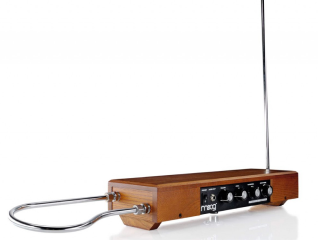
Also explore- Theremin musical instrument

What are the different types of rabab?

Rabab varieties differ in shape, construction, string arrangement, and playing style, reflecting the musical traditions of the regions where they developed.


Type of RababDescription
Afghan RababKnown for its round body covered with goat skin, this type features three main melody strings and several sympathetic strings. Favoured for its resonant sound and traditional design in Afghan music.
Kashmiri RababSmaller in size with a rectangular body, this variant has fewer sympathetic strings compared to the Afghan Rabab. Notable for its distinct playing style and regional adaptations in Kashmiri music.
Modern VariationsIncludes electric Rababs equipped with pickups for amplified sound, catering to contemporary musical preferences. Popular in fusion music genres for their versatility in sound.

Each type offers a different tone, playing experience, and musical application. Consider the instrument's construction, string arrangement, sound, portability, and the musical tradition you want to explore before choosing a rabab.


Also explore: Piano

What materials are traditionally used to make a rabab?

A traditional rabab is mainly constructed from wood, animal skin, and strings, with each material contributing to its structure, resonance, and distinctive tone.

  • Mulberry wood: Commonly used for the body because it is durable and supports the instrument's resonant qualities.
  • Animal skin: Goat or similar skin may cover the soundboard, helping transmit vibrations from the strings.
  • Gut or silk strings: Traditional rababs can use gut or silk strings, although modern versions may use synthetic or metal alternatives.
  • Wooden bridge: The bridge transfers string vibrations to the soundboard and is usually shaped from wood.
  • Wooden tuning pegs: These hold the strings and allow players to adjust their tension and pitch.
  • Decorative materials: Some rababs feature carved or painted details that reflect regional craftsmanship.


The combination of carefully selected wood, a responsive soundboard, and suitable strings contributes to the rabab's characteristic warm and resonant sound.

How to play the rabab?

Learning the rabab starts with getting comfortable with its position, then building control over plucking, fingering, rhythm, and tuning. Start slowly and focus on producing clear, steady notes before moving to advanced techniques.


  • Hold the rabab comfortably: Position it securely against your body so you can reach the strings and fingerboard without straining your hands.
  • Start plucking: Use your fingers or a plectrum to pluck individual strings. Focus on producing clean, even notes.
  • Change the pitch: Press the strings with your other hand to shorten their vibrating length and produce different notes.
  • Practise simple strumming: Once individual notes feel comfortable, strum multiple strings to create basic rhythms.
  • Add playing techniques: Gradually practise slides, hammer-ons, and pull-offs to bring more expression to your playing.
  • Build your rhythm: Repeat simple plucking and strumming patterns at a steady pace. A slow tempo can help you develop better coordination.
  • Keep it tuned: Tune the rabab before practising so the notes sound accurate and you can develop your ear for pitch.

→ Pro tip: Spend a few minutes practising individual notes before moving to songs or complex patterns. This helps you build finger control and rhythm more comfortably.

How do you maintain a rabab?

A rabab needs simple, regular care to protect its wooden body, skin membrane, strings, and tuning. Good storage and careful handling are especially important in humid conditions or when the instrument is exposed to temperature changes.


1. Wipe it after every practice session
Use a soft, dry cloth to remove dust, sweat, and moisture from the strings and body. Avoid water or strong cleaning products, which may affect the wood or finish.


2. Check the strings and bridge regularly
Look for fraying, rust, or other signs of string damage and replace worn strings promptly. Also check that the bridge remains correctly positioned and supports the strings properly.


3. Tune and handle it gently
Turn the tuning pegs slowly when adjusting the strings. Avoid forcing them, as unnecessary pressure can affect the pegs or strings.


4. Store it safely
Keep the rabab away from direct sunlight, damp areas, and sudden temperature changes. A padded case can protect it from dust, accidental knocks, and damage during transport.


→ Pro tip: If you move the rabab between very different temperatures, let it adjust gradually before playing or tuning it.

What should you consider when choosing a rabab?

Choose a rabab based on your playing level, musical style, construction quality, sound, and budget. Consider these factors before making a purchase:


  • Type: Choose an Afghan, Kashmiri, or other regional form based on your preferred musical tradition.
  • Wood quality: Look for strong, well-finished wood without visible cracks, warping, or loose joints.
  • Sound quality: Listen for a clear, warm, and balanced tone across the strings.
  • Strings: Check the number, material, condition, and arrangement of the melody and sympathetic strings.
  • Playability: Ensure the neck, fingerboard, bridge, and tuning pegs feel comfortable and responsive.
  • Tuning stability: Check that the tuning pegs hold the strings securely without slipping.
  • Craftsmanship: Examine the body, soundboard, bridge, joints, and finish for careful construction.
  • Size and weight: Choose a manageable instrument if you need to practise regularly or travel with it.
  • Budget: Compare materials, craftsmanship, sound, and included accessories rather than selecting solely by price.

If possible, test the rabab before buying or seek advice from an experienced player to assess its sound, comfort, and overall condition.

What is the rabab musical instrument price in India?

Rabab prices in India can range from Rs. 1,999 to Rs. 33,900, depending on the model, craftsmanship, materials, and intended use. The listed options include a miniature mango-wood rabab and a professional model.


ModelPrice
India Meets India Mango Wood Indian Kashmiri and Afghani Musical Showpiece Instrument Miniature Rabab (6.5 Inch, Multicolour)Rs. 1,999
Rabab for professional (by vadya.in)Rs. 33,900

Disclaimer: Each model's features, availability, and pricing are subject to change and may vary. For the most accurate and up-to-date information, please visit the official website.


Note: Although you can only use Bajaj Finance’s financing options to split any purchase above Rs. 5,000 into Easy EMIs, you can always club your product with other electronics and home appliances to meet the minimum amount and enjoy the same benefits.


Before you decide, explore the latest offers. You may find a great deal on a model that matches your needs.


Also read - Musical instruments used in electronic dance music

What are my financing options to buy a musical instrument?

Bajaj Finance offers two financing options at over 1.5 lakh partner stores across 4,000 cities in India. Here is how they compare:


OptionLimitKey features
Bajaj Finance Insta EMI CardCard loan offer up to Rs. 6 lakh3 to 60 months tenure; works at 1.5 lakh partner stores; 1 million eligible products
Bajaj Finance Easy EMI LoanLoan limit up to Rs. 5 lakhQuick loan approval; 3 to 60 months tenure; basic KYC documents needed; ideal for higher-value purchases

How to choose? Both options require you to be physically present at a partner store. The Insta EMI Card is ideal for shoppers who want to purchase across multiple categories over time. The Easy EMI Loan suits buyers looking to finance a higher-value purchase in a single transaction.

How do I buy a musical instrument on EMI at a Bajaj Finance partner store?

The process is simple and typically takes 10 to 15 minutes once you are at the store.


  1. Browse models on Bajaj Mall: Compare options on Bajaj Mall before visiting a store.
  2. Find a partner store near you: Use the Bajaj Finance store locator to find a nearby partner outlet such as Croma, Vijay Sales, or other authorised retailers.
  3. Check the musical instrument in person: Check the key features, specifications, size, and performance to choose the product that best suits your needs and budget.
  4. Choose a suitable EMI option: At checkout, ask the store executive about the Bajaj Finance Insta EMI Card or Easy EMI Loan. Confirm available tenure options and whether your chosen model comes with a zero down payment offer.
  5. Complete payment and schedule installation: The in-store process is quick, and most partner stores offer installation as part of the purchase.

You can also check your loan eligibility online in advance by entering your mobile number and OTP, helping you plan your purchase better before visiting the store.

Save more with Smart Savings Calculator

Combine the best offers, EMI plans, and exclusive vouchers with Smart Savings Calculator to save big.

20k+ people used their offers at the store

Why use the Smart Savings Calculator?

Bajaj Finance’s Smart Savings Calculator helps you unlock maximum savings every time you shop at partner stores. It brings together all available brand, dealer, and scheme offers—so you can see your total savings instantly and shop smarter with Easy EMIs.


  1. Dealer offers - Grab exclusive in-store deals at over 1.5 lakh partner stores across India. Enjoy local discounts and special prices you will not find online.
  2. Brand offers - Access limited-time discounts from top brands across electronics, appliances, and more. Discover brand-specific savings selected just for you.
  3. Bajaj offers - Unlock exclusive Bajaj Finance deals on popular products—available only to our customers. More rewards, more value.­
  4. Scheme offers - Take advantage of time-sensitive offers on select EMI schemes. Get extra benefits after paying just 3 EMIs—visible during EMI selection at checkout.

Calculate your extra savings today!

Frequently asked questions

General

EMI details

What is a rabab musical instrument?

A rabab is a traditional stringed instrument originating from Afghanistan, known for its warm, resonant sound. It usually features a wooden body, a skin-covered soundboard, strings, and a bridge. Depending on the regional design, it may include melody and sympathetic strings. The rabab is used in classical, folk, Sufi, and contemporary music across parts of Central and South Asia. Players generally produce sound by plucking or strumming its strings.

The rabab originated in Afghanistan, with its history closely connected to musical traditions across Central and South Asia. Over time, different regional forms developed in areas such as Kashmir and Pakistan, each with distinctive construction and playing styles. The Afghan rabab became particularly important in classical and folk music, while other versions gained significance in regional traditions. Today, the instrument continues to feature in traditional, Sufi, folk, and contemporary performances.

The rabab musical instrument is priced from around Rs. 1,999 in India, while professional models can cost up to Rs. 33,900. Prices vary by type, craftsmanship, materials, and features.

A rabab and a dilruba are both traditional South Asian string instruments, but they differ mainly in how they produce sound. The rabab is generally a plucked instrument, while the dilruba is a bowed instrument. Rababs often have a shorter, broader body and a warm, resonant tone. The dilruba has a longer neck, frets, sympathetic strings, and a more sustained sound produced with a bow.

The rabab and sarod are related string instruments, but they have distinct construction and playing characteristics. The rabab is generally played by plucking or strumming its strings and is strongly associated with Afghan and Central Asian traditions. The sarod evolved from related rabab forms and has a fretless metal fingerboard, producing a smooth, sustained tone. Sarod playing is closely associated with Hindustani classical music and uses a plectrum for plucking.

Yes, you can easily bring home your preferred musical instrument using Bajaj Finance’s Easy EMI options. Whether you already have the Insta EMI card or are new to it, here is how to begin:


If you have the Bajaj Finance Insta EMI card:

  • Explore products on Bajaj Mall: Choose from a wide range of the latest and most popular models.
  • Visit a partner store: Check out the product in person at any of Bajaj Finance’s 1.5 lakh partner stores across 4,000 cities in India.
  • Use your Insta EMI card at checkout: Convert the cost into Easy EMIs that fit your monthly budget.
  • Zero down payment on select models: Take your chosen product home without paying anything upfront.

If you do not have an Insta EMI card:

Check your Insta EMI Card eligibility online using your mobile number and OTP. If you are eligible, apply instantly and enjoy a smarter, more affordable way to buy your favourite product on Easy EMIs.

Show More Show Less

Disclaimer

1. Bajaj Finance Limited (“BFL”) is a Non-Banking Finance Company (NBFC) and Prepaid Payment Instrument Issuer offering financial services viz., loans, deposits, Bajaj Pay Wallet, Bajaj Pay UPI, bill payments and third-party wealth management products. The details mentioned in the respective product/ service document shall prevail in case of any inconsistency with respect to the information referring to BFL products and services on this page. 

2. All other information, such as, the images, facts, statistics etc. (“information”) that are in addition to the details mentioned in the BFL’s product/ service document and which are being displayed on this page only depicts the summary of the information sourced from the public domain. The said information is neither owned by BFL nor it is to the exclusive knowledge of BFL. There may be inadvertent inaccuracies or typographical errors or delays in updating the said information. Hence, users are advised to independently exercise diligence by verifying complete information, including by consulting experts, if any. Users shall be the sole owner of the decision taken, if any, about suitability of the same.