Percussion Instruments

Percussion Instruments

Discover percussion instruments, their types, features, playing methods and prices. Explore drums, tabla, mridangam, xylophones and other popular percussion instruments.

Get your loan offers up to Rs. 5 lakh

Quick approval | Flexible tenure options | Zero approval fees

In summary


Percussion instruments add rhythm, texture and energy to different forms of music.


  • Types: Membranophones and idiophones are the main categories.
  • Indian music: Tabla, mridangam, pakhavaj, ghatam and kanjira are notable examples.
  • Playing methods: Instruments can be struck, shaken, scraped or played by hand.
  • Sound: Some produce specific notes, while others focus mainly on rhythm.
  • Choosing an instrument: Consider your musical style, experience, playing technique and budget.

You can also buy new musical instruments on Easy EMIs at over 1.5 lakh partner stores across 4,000 cities, including Reliance Digital, Croma, and Vijay Sales. 

What are percussion musical instruments?

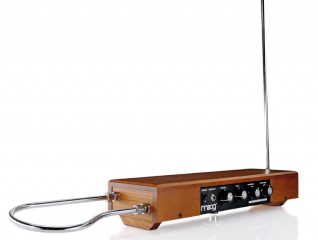
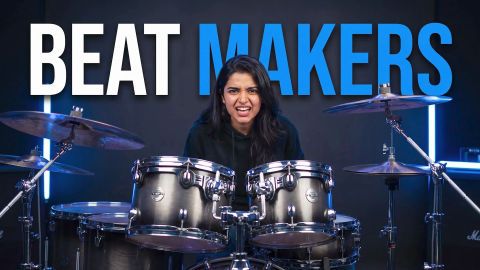
Percussion instruments create sound when they are struck, shaken, scraped or otherwise made to vibrate. They are widely used across classical, folk and contemporary music. Drums such as tabla and mridangam produce sound through vibrating membranes, while instruments such as cymbals and xylophones vibrate through their own bodies. The choice depends on the sound, playing technique and musical style you prefer.


Shop for musical instruments on Easy EMIs from Bajaj Finance when the model is eligible and available at a partner store. Here is how it works:


  • Shop at 1.5 lakh partner stores across 4,000+ cities.
  • Select your preferred model and use your Insta EMI Card or Easy EMI Loan.
  • Split the purchase cost into monthly payments.


Pro tip: Zero down payment is available on select models. Check with the store if your product qualifies.

What are the main types of percussion instruments?

Percussion instruments can broadly be divided into membranophones and idiophones. This classification helps you understand how each instrument produces sound and what kind of playing technique it requires.


TypeHow it produces soundExamples
MembranophonesVibrating stretched membraneTabla, mridangam, djembe, snare drum
IdiophonesVibration of the instrument's own bodyCymbals, triangle, xylophone, bells
Tuned percussionProduces identifiable musical notesXylophone, marimba, timpani
Untuned percussionMainly produces rhythmic soundsBass drum, cymbals, snare drum

What are the key features of percussion instruments?

Percussion instruments offer different sounds, playing methods and levels of tonal control. Knowing these features can help you choose an instrument that suits your musical interests and experience.


  • Sound production: Sound is created through striking, shaking, scraping or other physical actions.
  • Playing methods: Instruments may be played with hands, sticks, mallets or beaters.
  • Materials: Wood, metal, leather, clay and synthetic materials are commonly used.
  • Pitch: Some percussion instruments produce specific notes, while others mainly create rhythm.
  • Portability: Smaller instruments are easier to carry and practise in different settings.
  • Musical role: They can provide rhythm, accompaniment, accents or melodic patterns.


Which percussion instruments are commonly used in Indian music?

India has a rich percussion tradition, with instruments used across Hindustani, Carnatic, folk and regional music. Tabla, mridangam and pakhavaj are prominent examples, while several regional instruments have their own playing techniques and cultural roles.


InstrumentTypeCommon role
TablaMembranophoneRhythm and accompaniment
MridangamMembranophoneCarnatic rhythm
PakhavajMembranophoneHindustani classical rhythm
GhatamIdiophoneRhythmic accompaniment
KanjiraMembranophoneCarnatic rhythm
DholakMembranophoneFolk and popular music
ChendaMembranophoneTraditional and ceremonial music

What is the price of percussion instruments in India?

Percussion instrument prices vary according to the instrument type, size, materials, craftsmanship and intended use. Beginner models are generally more affordable, while professional instruments can cost considerably more.


InstrumentEstimated price range
XylophoneRs. 2,000 - 5,000
GlockenspielRs. 1,500 - 3,000
CajonRs. 4,000 - 10,000
DjembeRs. 5,000 - 12,000
CongasRs. 8,000 - 15,000
Snare drumRs. 5,000 - 12,000
Bass drumRs. 8,000 - 15,000
TimpaniRs. 30,000 onwards

Updated: Oct, 2026


Disclaimer: Prices are subject to change. Please check the official website for the most accurate and up-to-date information. Explore the latest offers from Bajaj Finance and grab the best deals for a premium shopping experience.

What are the best percussion instruments to buy in India?

The best percussion instrument depends on your playing style, experience, budget, and preferred sound. Popular choices include cajons, djembes, tablas, hand drums, and xylophones.


  • Cajon: A practical choice for beginners, acoustic performances, and rhythm practice. Its compact design makes it easy to carry and store.
  • Djembe: Suitable for beginners interested in hand percussion and world or fusion music. It can produce bass, tone, and slap sounds.
  • Tabla: A strong choice for learners interested in Hindustani classical music and traditional Indian rhythms.
  • Xylophone: Suitable for learners who want a pitched percussion instrument that can play recognisable musical notes.
  • Hand drum: A simple option for developing basic rhythm and hand coordination without complicated equipment.

What are my financing options to buy a musical instrument?

Bajaj Finance offers two financing options at over 1.5 lakh partner stores across 4,000 cities in India. Here is how they compare:


OptionLimitKey features
Bajaj Finance Insta EMI CardPre-approved card loan offer up to Rs. 6 lakh3 to 60 months tenure; works at 1.5 lakh partner stores; 1 million eligible products
Bajaj Finance Easy EMI LoanLoan limit up to Rs. 5 lakhQuick loan approval; 3 to 60 months tenure; basic KYC documents needed; ideal for higher-value purchases

How to choose? Both options require you to be physically present at a partner store. The Insta EMI Card is ideal for shoppers who want to purchase across multiple categories over time. The Easy EMI Loan suits buyers looking to finance a higher-value purchase in a single transaction.

How do I buy a musical instrument on EMI at a Bajaj Finance partner store

The process is simple and typically takes 10 to 15 minutes once you are at the store.


  1. Browse models on Bajaj Mall: Compare options on Bajaj Mall before visiting a store.
  2. Find a partner store near you: Use the Bajaj Finance store locator to find a nearby partner outlet such as Croma, Vijay Sales, or other authorised retailers.
  3. Check the musical instrument in person: Check the key features, specifications, size, and performance to choose the product that best suits your needs and budget.
  4. Choose a suitable EMI option: At checkout, ask the store executive about the Bajaj Finance Insta EMI Card or Easy EMI Loan. Confirm available tenure options and whether your chosen model comes with a zero down payment offer.
  5. Complete payment and schedule installation: The in-store process is quick, and most partner stores offer installation as part of the purchase.

You can also check your loan eligibility online in advance by entering your mobile number and OTP, helping you plan your purchase better before visiting the store.

Save more with Smart Savings Calculator

Combine the best offers, EMI plans, and exclusive vouchers with Smart Savings Calculator to save big.

20k+ people used their offers at the store

Why use the Smart Savings Calculator

Bajaj Finance’s Smart Savings Calculator helps you unlock maximum savings every time you shop at partner stores. It brings together all available brand, dealer, and scheme offers—so you can see your total savings instantly and shop smarter with Easy EMIs.


  1. Dealer offers - Grab exclusive in-store deals at over 1.5 lakh partner stores across India. Enjoy local discounts and special prices you will not find online.
  2. Brand offers - Access limited-time discounts from top brands across electronics, appliances, and more. Discover brand-specific savings selected just for you.
  3. Bajaj offers - Unlock exclusive Bajaj Finance deals on popular products—available only to our customers. More rewards, more value.­
  4. Scheme offers - Take advantage of time-sensitive offers on select EMI schemes. Get extra benefits after paying just 3 EMIs—visible during EMI selection at checkout.

Calculate your extra savings today!

Frequently asked questions

General

EMI details

Who plays percussion instruments?

Percussion instruments are played by musicians across many musical traditions and skill levels. Percussionists commonly perform in orchestras, bands, ensembles, folk groups, and contemporary music productions. Indian classical musicians also play instruments such as tabla, mridangam, and pakhawaj. Beginners can learn hand drums, cajons, or basic pitched percussion with regular practice. Professional percussionists may specialise in particular instruments and develop advanced techniques for live performances, recordings, and orchestral work.

Percussion refers to musical instruments that produce sound when struck, shaken, scraped, or physically activated. The two main types are idiophones and membranophones. Idiophones produce sound through the vibration of their own material, such as xylophones, bells, and triangles. Membranophones use a stretched membrane that vibrates when played, including tabla, timpani, snare drums, and djembes. Percussion instruments can also be classified as pitched or unpitched.

Yes, a drum is a percussion instrument because it produces sound when its stretched membrane is struck. Drums are generally classified as membranophones and include instruments such as tabla, timpani, snare drums, bass drums, and djembes. They are widely used in classical, folk, popular, and contemporary music. Different drums vary in size, construction, pitch, and playing technique, allowing them to create diverse rhythmic patterns and sounds.

Ten common percussion instruments are tabla, timpani, snare drum, bass drum, djembe, cajon, congas, xylophone, marimba, and cymbals. Tabla is widely used in Indian classical music, while timpani, snare drums, and bass drums are common in Western classical and contemporary music. Djembes, cajons, and congas are popular hand percussion instruments. Xylophones and marimbas produce pitched notes, while cymbals provide rhythmic accents and dramatic effects.

Learning percussion can improve rhythm, timing, coordination, concentration, and listening skills. Playing different percussion instruments also develops hand control and encourages musical creativity. Regular practice can help learners understand musical patterns and build confidence through gradual progress. Percussion instruments are available in many styles, making it possible to explore classical, folk, jazz, popular, and world music. They can also provide opportunities for individual and group performances.

Yes, you can easily bring home your preferred musical instrument using Bajaj Finance’s Easy EMI options. Whether you already have the Insta EMI card or are new to it, here is how to begin:


If you have the Bajaj Finance Insta EMI card:


  • Explore products on Bajaj Mall: Choose from a wide range of the latest and most popular models.
  • Visit a partner store: Check out the product in person at any of Bajaj Finance’s 1.5 lakh partner stores across 4,000 cities in India.
  • Use your Insta EMI card at checkout: Convert the cost into Easy EMIs that fit your monthly budget.
  • Zero down payment on select models: Take your chosen product home without paying anything upfront.

If you do not have an Insta EMI card:


Check your Insta EMI Card eligibility online using your mobile number and OTP. If you are eligible, apply instantly and enjoy a smarter, more affordable way to buy your favourite product on Easy EMIs.

Show More Show Less

Disclaimer

While care is taken to update the information, products, and services included in or available on our website and related platforms/websites, there may be inadvertent inaccuracies or typographical errors or delays in updating the information. The material contained in this site, and on associated web pages, is for reference and general information purpose and the details mentioned in the respective product/service document shall prevail in case of any inconsistency. Subscribers and users should seek professional advice before acting on the basis of the information contained herein. Please take an informed decision with respect to any product or service after going through the relevant product/service document and applicable terms and conditions. In case any inconsistencies observed, please click on reach us.

*Terms and conditions apply