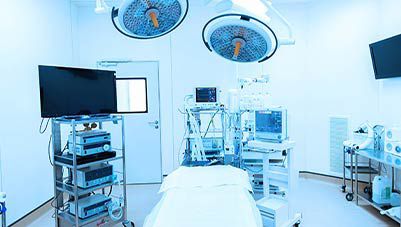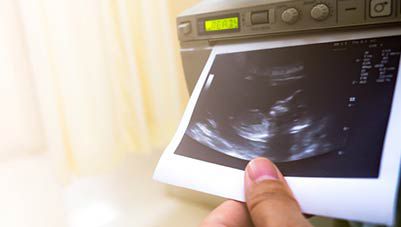







A Cath lab (short for catheterisation laboratory) is a specialised hospital room designed to diagnose and treat heart and blood vessel conditions. It is equipped with advanced imaging and monitoring tools that allow doctors to see the heart and arteries in real time, perform minimally invasive procedures, and closely monitor a patient’s condition. Cath labs are an essential part of modern cardiology, enabling faster recovery and safer treatments compared with traditional open-heart surgery.
What is a Cath lab?
A Cath lab (catheterisation laboratory) is a specialised hospital unit for diagnosing and treating heart and blood vessel disorders. Cardiologists use thin, flexible catheters to carry out procedures such as:
- Angiograms – imaging blocked or narrowed arteries
- Angioplasties – opening blocked arteries
- Stent placements – keeping arteries open
- Pacemaker insertions – regulating heart rhythm
Benefits of Cath lab procedures:
- Minimally invasive with small incisions
- Shorter hospital stays and quicker recovery
- Lower risk compared with open-heart surgery
How a Cath lab works
Cath labs use sophisticated imaging technology to safely guide catheters through blood vessels to the heart. The main steps are:
- Catheter insertion – A thin, flexible catheter is introduced via the wrist or groin.
- Imaging guidance – X-ray or fluoroscopy is used to steer the catheter accurately to the heart.
- Procedure execution – Angioplasty, stent placement, or diagnostic tests are carried out as required.
- Monitoring – ECG machines continuously record heart activity throughout the procedure.
Key point: Continuous monitoring ensures that any irregularities are detected straight away, enhancing patient safety.
Pre-procedure Preparation for Cath lab patients
Before your procedure, patients should:
- Refrain from eating or drinking for 6–8 hours beforehand.
- Inform your doctor about any medications you are taking and any allergies you have.
- Make arrangements for someone to accompany you home after the procedure.
Purpose of Cath lab
- Diagnosis: Identify blocked arteries or irregular heart rhythms.
- Treatment: Perform minimally invasive procedures without the need for open-heart surgery.
- Monitoring: Observe heart function during and after procedures.
- Emergency care: Provide rapid intervention in the event of a heart attack.
Essential cath lab equipment
| Equipment | Function |
|---|---|
| X‑ray/Fluoroscopy machine | Provides real-time images of the heart |
| ECG machine | Monitors the electrical activity of the heart |
| Defibrillator | Restores normal heart rhythm during emergencies |
| Catheters and guidewires | Used to navigate and treat blocked arteries |
| Contrast media injectors | Make blood vessels visible for imaging |
Risks and safety considerations in Cath lab procedures
Although Cath lab procedures are generally safe, possible risks include:
- Bleeding or infection at the catheter insertion site
- Allergic reaction to the contrast dye
- Damage to blood vessels or formation of blood clots
- Small exposure to radiation
- Irregular heart rhythms
Safety measures: Use of sterilised equipment, skilled medical staff, and continuous monitoring help to keep these risks to a minimum.
Post-procedure care and follow-up
- Keep an eye on the catheter insertion site for any bleeding or swelling.
- Take all prescribed medications exactly as directed.
- Attend follow-up appointments for ECGs and imaging checks.
- Report any unusual symptoms to your doctor straight away.
Cost of Cath lab procedures in India
| Procedure | Approximate cost |
|---|---|
| Coronary angiogram | Rs. 15,000 – Rs. 50,000 |
| Angioplasty | Rs. 80,000 – Rs. 2,50,000 |
| Stent placement | Rs. 1,00,000 – Rs. 3,00,000 |
| Pacemaker implantation | Rs. 2,00,000 – Rs. 5,00,000 |
Note: Costs may vary depending on the city, hospital, type of procedure, and equipment used.
Cath lab vs. operating room
| Feature | Cath lab | Operating room |
|---|---|---|
| Procedure type | Minimally invasive heart procedures | Open-heart or major surgeries |
| Equipment | Imaging machines, catheters, ECG | Surgical instruments, anaesthesia equipment |
| Recovery time | Short, often same-day discharge | Longer hospital stay required |
| Staff | Cardiologists, nurses, technicians | Surgeons, anaesthetists, nurses |
Financing options for starting a Cath lab
Starting a Cath lab requires significant investment. Some options to fund the setup include:
- Bank loans for doctors tailored for building medical facilities, which can help cover construction and initial setup costs.
- Medical equipment finance to purchase high-cost diagnostic and treatment machines, ensuring access to the latest technology.
- Leasing options for expensive imaging and monitoring equipment, reducing upfront capital requirements
These options make it easier for hospitals and clinics to invest in modern cardiac care without financial strain.
Conclusion
Cath labs provide safe, minimally invasive heart treatments. Equipped with advanced, interlinked medical equipment such as imaging systems, ECG machines, and catheters, hospitals in India can deliver high-quality cardiac care efficiently. Flexible financing options and specialised loans for doctors make it easier to invest in these facilities. Patients benefit from quicker recovery, fewer complications, and improved outcomes, while hospitals enhance both patient care and their reputation.