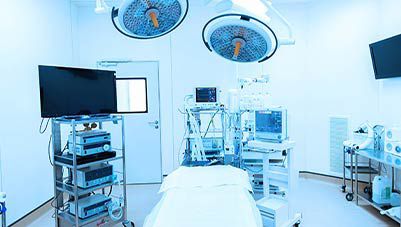
Body plethysmography is a specialised diagnostic test used to assess lung function. It provides detailed information about lung volumes and airway resistance, helping healthcare professionals diagnose and monitor respiratory conditions such as asthma, chronic obstructive pulmonary disease (COPD), and other pulmonary disorders. The test is typically performed in hospitals, pulmonology clinics, and advanced respiratory centres using precise medical equipment.
What is body plethysmography?
Body plethysmography is a pulmonary function test that measures the total volume of air in the lungs, including the air that cannot be exhaled. Unlike basic lung tests, it gives a comprehensive view of the patient’s respiratory system by assessing lung volume, airway resistance, and other parameters. This makes it an invaluable tool for detecting obstructive and restrictive lung diseases.
How does body plethysmography work?
Body plethysmography works by placing the patient inside an airtight chamber, often called a “body box,” while they breathe through a mouthpiece. The test involves:
- The patient sitting comfortably inside the chamber and breathing normally.
- Closing the mouthpiece momentarily to measure changes in pressure within the lungs and the box.
- Using the pressure changes to calculate lung volumes, including residual volume and total lung capacity.
- Recording airway resistance and other key respiratory parameters.
- Producing detailed data for the clinician to analyse, which is displayed on a digital monitor.
This combination of precise measurements provides a clear picture of lung function that other tests cannot offer.
What does body plethysmography measure?
Body plethysmography measures several aspects of lung function, including:
| Parameter | Description |
|---|---|
| Total lung capacity (TLC) | Total amount of air the lungs can hold |
| Residual volume (RV) | Air remaining in the lungs after full exhalation |
| Functional residual capacity (FRC) | Air in the lungs at the end of a normal exhale |
| Airway resistance | Resistance to airflow within the lungs and airways |
| Specific airway conductance | Measurement of airflow efficiency in the lungs |
These measurements help in diagnosing restrictive or obstructive lung disorders and guide treatment plans effectively.
Body plethysmography vs. spirometry: key differences
| Feature | Body plethysmography | Spirometry |
|---|---|---|
| Measurement | Lung volumes including air that cannot be exhaled | Only measures air exhaled and inhaled during forced breathing |
| Accuracy | Highly accurate for total lung volume | Less accurate for residual air and small airway obstruction |
| Equipment | Airtight body box | Handheld spirometer |
| Use case | Complex respiratory assessment | Routine lung function screening |
| Typical users | Pulmonologists, respiratory therapists | General practitioners, pulmonologists |
Why do doctors recommend this test?
- To detect restrictive lung diseases such as pulmonary fibrosis.
- To evaluate obstructive conditions like asthma or COPD.
- To monitor the effectiveness of ongoing respiratory treatments.
- To measure lung function before surgeries or medical procedures.
- To assess unexplained shortness of breath or chronic cough.
Who should get body plethysmography?
- Patients with persistent respiratory symptoms.
- Individuals diagnosed with asthma or COPD requiring follow-up.
- People with suspected restrictive or obstructive lung diseases.
- Patients preparing for major surgery to assess pulmonary risk.
- Children and adults with chronic respiratory conditions under specialist care.
How to prepare for body plethysmography
- Avoid smoking for at least 24 hours before the test.
- Refrain from consuming heavy meals immediately before the test.
- Wear loose, comfortable clothing that does not restrict breathing.
- Avoid vigorous exercise just prior to the procedure.
- Inform the clinician about medications, especially bronchodilators, as they may affect results.
What do the results mean?
| Parameter | Normal range | Interpretation |
|---|---|---|
| Total lung capacity (TLC) | Age and sex-specific | Low TLC may indicate restrictive disease |
| Residual volume (RV) | Age and sex-specific | High RV may suggest air trapping or obstruction |
| Functional residual capacity (FRC) | Age and sex-specific | Abnormal FRC can indicate restrictive or obstructive conditions |
| Airway resistance | Low to moderate | High resistance indicates obstruction |
| Specific airway conductance | Normalised for lung volume | Low values suggest obstructive airway disease |
Results should always be interpreted by a qualified clinician in the context of symptoms and medical history.
Benefits of body plethysmography
- Provides precise measurement of total lung capacity and residual air.
- Detects early changes in lung function that other tests may miss.
- Helps distinguish between restrictive and obstructive lung diseases.
- Guides treatment planning and monitors therapy effectiveness.
- Safe, non-invasive, and suitable for both adults and children.
Conclusion
Body plethysmography is a vital tool in respiratory diagnostics, offering detailed insight into lung volumes and airway function. For healthcare providers looking to equip their clinics with advanced medical equipment, options such as medical equipment finance can make acquisition easier. Professionals can also explore loans for doctors to invest in state-of-the-art pulmonary diagnostic devices without financial strain.