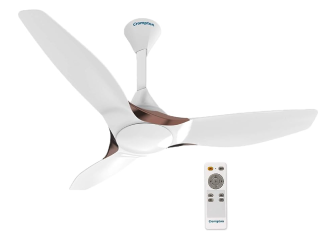
Axial fans are among the most commonly used fans for ventilation and cooling. You can find them in homes, offices, factories, electronic devices, and air conditioning systems. These fans move air in a straight line, making them suitable for applications that require high airflow and efficient ventilation. Understanding how an axial fan works can help you choose the right solution for your cooling or airflow needs. Their simple design, reliable performance, and wide range of applications make them a popular choice across residential and industrial environments.
In the same way, if you are thinking of buying a new electronic appliance, check your loan eligibility first. It helps you understand your budget and narrow down your options. Once you have a budget in mind, explore the latest models on Bajaj Mall. Simply visit any of Bajaj Finance’s 1.5 lakh partner stores in over 4,000 cities, choose the model you want, and convert your purchase into Easy EMIs of up to Rs. 5 lakh. With Easy EMIs and zero down payment on select models, bringing home the right product is simple and stress-free.
Axial fan – Airflow direction and working principle
To understand axial fans, it helps to know how they move air. An axial fan pushes air parallel to its rotating shaft. As the blades spin, they draw air in from one side and move it directly through the fan to the other side.
This straight-line airflow is the reason behind the name "axial" fan. The fan motor rotates the blades, creating pressure that moves large volumes of air efficiently. Axial fans work best in applications where airflow volume matters more than high air pressure. Their design allows continuous air circulation, making them useful for ventilation, cooling, and exhaust systems.