Published May 6, 2026 · 4 Min Read

Water purification methods - Common techniques used at home

Water purification is essential for maintaining safe and hygienic drinking water at home. Different households use different purification methods depending on water source, contamination level, and budget. Traditional methods such as boiling and filtration remain popular for basic purification, while modern systems such as RO, UV, and UF are designed for more advanced contaminant removal. Understanding how each method works helps households choose the right purification solution for better health, safer drinking water, and improved taste.


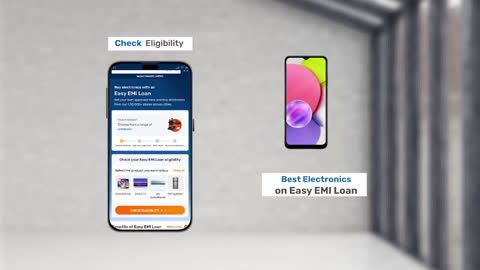
Once you decide which technology works for you, head to any of Bajaj Finserv’s 1.5 lakh partner stores in 4,000 cities in India. Choose your ideal model, pay with Easy EMIs, and enjoy zero down payment on select deals. Simply check your loan eligibility now and bring home your desired water purifier without worrying about overspending.
How do boiling, filtration, and chemical treatment purify water

Traditional water purification methods are still widely used because they are affordable, simple, and practical for households managing everyday water quality concerns.


  • Boiling removes harmful microorganisms: Boiling water is one of the most reliable methods for killing bacteria, viruses, and parasites that can cause waterborne diseases. Heating water to a rolling boil for several minutes makes it safer for drinking, especially during emergencies or uncertain water supply conditions.
  • Basic filtration removes visible impurities: Household filtration methods such as cloth filters, sediment filters, and candle filters help remove dust, sand, rust, and suspended particles from water. This improves clarity and cleanliness, although filtration alone may not remove dissolved contaminants.
  • Activated carbon improves taste and smell: Carbon filters help reduce chlorine taste, unpleasant odours, and certain organic impurities. This makes water more pleasant to drink while supporting an additional layer of purification in many household systems.
  • Chemical treatment disinfects water: Chlorine tablets, iodine drops, and similar chemical solutions are used to kill microorganisms when boiling or filtration is not available. These methods are commonly used for travel, outdoor activities, or emergency water treatment.
  • Using multiple methods improves results: Many households combine filtration and boiling or chemical treatment for better safety. This layered approach improves purification performance when access to advanced water purifiers is limited.

What modern technologies are used for water purification

Modern water purification systems use advanced filtration technologies to target both visible and invisible contaminants found in household water sources.


  • RO removes dissolved salts and heavy metals: Reverse osmosis is highly effective for homes using borewell or hard water. It removes excess TDS, dissolved salts, fluoride, heavy metals, and certain chemicals that basic purification methods cannot handle.
  • UV kills bacteria and viruses: UV purification uses ultraviolet light to deactivate harmful microorganisms without adding chemicals. It is effective against bacteria and viruses and is often combined with other purification stages.
  • UF filters bacteria and suspended particles: Ultrafiltration uses a membrane to remove bacteria, cysts, and physical impurities. It works well for municipal water with relatively lower contamination levels.
  • MF provides basic membrane filtration: Microfiltration removes dust, rust, sediment, and some bacteria through a fine membrane filter. It is commonly used where water quality is already relatively safe.
  • Multi-stage purification combines technologies: Many household purifiers combine RO, UV, UF, carbon, and sediment filtration in one system. This offers broader contaminant protection and better overall water quality.

What are the benefits of drinking purified water

Using purified water daily supports better hygiene, safer drinking habits, and improved protection against water contamination risks.


  • Reduces risk of waterborne diseases: Purified water helps remove bacteria, viruses, parasites, and contaminants that can lead to stomach infections, diarrhoea, and other health concerns.
  • Improves taste and odour: Filtration reduces chlorine smell, unpleasant taste, and visible impurities, making water cleaner and more enjoyable to drink.
  • Removes harmful contaminants: Advanced purification systems can reduce heavy metals, pesticides, excess salts, and other harmful substances depending on the technology used.
  • Supports safer cooking and beverages: Clean water improves food preparation, tea, coffee, and other beverages by reducing contamination risks.
  • Provides daily convenience: Home purification systems offer a reliable supply of clean drinking water without depending on bottled water purchases.

How do you choose the right water purification method

Choosing the right purification method depends on understanding your water source, contamination risks, and daily household requirements before making a purchase.


  • Start by checking your water source: Municipal water, borewell water, tanker supply, and mixed water sources all have different purification needs. Municipal water may need only basic purification, while borewell water often requires stronger filtration due to higher TDS and mineral content.
  • Test your water quality before buying: A simple water quality or TDS test helps identify dissolved solids, hardness, and contamination levels. This prevents overbuying or underbuying a purifier that may not match your actual water conditions.
  • Match purification technology to contamination type: RO is ideal for high-TDS and dissolved impurity removal, UV is effective against microorganisms, and UF or MF is useful for physical filtration. Understanding this difference helps you choose a system based on actual need rather than marketing claims.
  • Consider maintenance and long-term costs: Some purification systems require regular filter replacement, annual maintenance, and electricity consumption. Comparing these ongoing costs helps you choose a system that is practical and affordable over several years of use.
  • Select suitable storage capacity and family size: A family with higher daily consumption should choose a purifier with adequate storage and faster purification capacity. Smaller households may prioritise compact models with lower maintenance requirements.

Get electronics and appliances on Easy EMIs with Bajaj Finserv

Upgrading your home with the latest electronics and appliances is now easier and more affordable with Bajaj Finserv’s flexible financing options. Follow these steps to get started:


  • Explore products on Bajaj Mall: Browse a wide range of electronics and appliances from trusted brands on Bajaj Mall. 
  • Visit a partner store: Once you shortlist a model, step into any of Bajaj Finserv’s 1.5 lakh partner stores across 4,000 cities in India. See the product in person, talk to experts, and make a confident decision.
  • Choose the Easy EMI Loan option: At checkout, select the Bajaj Finserv Easy EMI Loan. Avail financing of up to Rs. 5 lakh and split the cost into convenient monthly instalments. Some products also come with a zero down payment option.
  • Check your loan eligibility online: Plan better by checking your loan eligibility in minutes. Simply enter your mobile number and OTP to know your pre-approved limit.
  • Use the EMI Network Card for purchases up to Rs. 3 lakh: Already own the Bajaj Finserv EMI Network Card? Use it for instant, paperless checkout and convert your purchases of up to Rs. 3 lakh into Easy EMIs. 

Frequently asked questions

Can I buy a water purifier on EMI?

Yes, you can easily purchase a new water purifier with Bajaj Finserv's Easy EMI options. Whether you already have the EMI Network Card or are new to it, here is how you can get started:

If you have the Bajaj Finserv EMI Network Card:

  • Explore water purifiers on Bajaj Mall: Choose from leading brands offering advanced filtration technologies and purification performance, and safer, healthier drinking water for your home.
  • Visit a partner store: Check out the latest water purifiers in person at any of 1.5 lakh partner stores across 4,000 cities.
  • Use your EMI Network Card at checkout: Convert the total cost into Easy EMIs that fit your monthly budget.
  • Zero down payment on select models: Bring home your water purifier without paying anything upfront.


If you do not have an EMI Network Card:

Check your Insta EMI Card eligibility online using your mobile number and OTP. If eligible, you can apply instantly and start shopping for your preferred water purifier easily and affordably.

What are the methods of purifying water?

Common methods of purifying water include boiling, filtration, chemical treatment, reverse osmosis (RO), ultraviolet (UV) purification, ultrafiltration (UF), and microfiltration (MF). Traditional methods are useful for basic purification, while advanced systems provide stronger contaminant removal for households with hard water, high TDS, or multiple contamination concerns.

Is boiling water enough for purification?

Boiling is highly effective at killing bacteria, viruses, and parasites, making water microbiologically safer. However, boiling does not remove dissolved salts, heavy metals, chemicals, or excess minerals. For households dealing with hard water or chemical contamination, boiling alone may not be sufficient for complete purification.

Which method is best for drinking water?

The best purification method depends on your water source. RO is often preferred for borewell or high-TDS water, while UV, UF, or MF may be suitable for treated municipal water. Many households prefer multi-stage purification systems that combine several technologies for broader protection.

What is the safest way to purify water?

The safest method depends on contamination type and water quality. Multi-stage purifiers combining RO, UV, UF, and activated carbon are generally considered the most comprehensive household solution because they target dissolved salts, microorganisms, chemicals, and visible impurities together.

Show more Show less

Bajaj Finserv app for all your financial needs and goals

Trusted by 50 million+ customers in India, Bajaj Finserv App is a one-stop solution for all your financial needs and goals.

You can use the Bajaj Finserv App to:

  • Apply for loans online, such as Instant Personal Loan, Home Loan, Business Loan, Gold Loan, and more.
  • Invest in fixed deposits and mutual funds on the app.
  • Choose from multiple insurance for your health, motor and even pocket insurance, from various insurance providers.
  • Pay and manage your bills and recharges using the BBPS platform. Use Bajaj Pay and Bajaj Wallet for quick and simple money transfers and transactions.
  • Apply for Insta EMI Card and get a pre-qualified limit on the app. Explore over 1 million products on the app that can be purchased from a partner store on Easy EMIs.
  • Shop from over 100+ brand partners that offer a diverse range of products and services.
  • Use specialised tools like EMI calculators, SIP Calculators
  • Check your credit score, download loan statements and even get quick customer support—all on the app.

Download the Bajaj Finserv App today and experience the convenience of managing your finances on one app.

Disclaimer

1. Bajaj Finance Limited (“BFL”) is a Non-Banking Finance Company (BAJAJ FINANCE) and Prepaid Payment Instrument Issuer offering financial services viz., loans, deposits, Bajaj Pay Wallet, Bajaj Pay UPI, bill payments and third-party wealth management products. The details mentioned in the respective product/ service document shall prevail in case of any inconsistency with respect to the information referring to BFL products and services on this page.

2. All other information, such as, the images, facts, statistics etc. (“information”) that are in addition to the details mentioned in the BFL’s product/ service document and which are being displayed on this page only depicts the summary of the information sourced from the public domain. The said information is neither owned by BFL nor it is to the exclusive knowledge of BFL. There may be inadvertent inaccuracies or typographical errors or delays in updating the said information. Hence, users are advised to independently exercise diligence by verifying complete information, including by consulting experts, if any. Users shall be the sole owner of the decision taken, if any, about suitability of the same.