







Health insurance goes beyond hospitalization—it covers OPD visits, medicines, ambulance charges, preventive checkups, and even alternative treatments, giving you all-around financial security.

Check health insurance plans with comprehensive coverage
Get Quote
Health plans from leading insurers | Comprehensive coverage | Offers multiple optional add-ons to enhance coverage
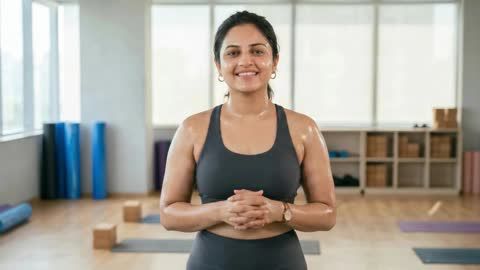
Yoga Practices for Better Health
In summary
Simhasana, or Lion Pose, is a yoga posture that combines controlled breathing, facial movements and a specific body position. It may help release tension in the face and jaw, encourage mindful breathing and promote relaxation. The pose is usually performed while sitting on the heels or in a comfortable kneeling position, followed by a wide mouth opening and tongue extension while exhaling. Practising it within your physical limits can support a mindful yoga routine. However, Simhasana is not a substitute for medical treatment, and its benefits may vary from person to person.
Key takeaways
- Simhasana is also known as Lion Pose.
- The posture combines breathing, facial movements and a seated position.
- It may help release facial tension and promote relaxation.
- Practise gently and avoid movements that cause discomfort.
- Regular yoga can complement, but not replace, appropriate medical care.
Maintaining your health also means preparing for unexpected medical expenses. Explore plans to understand the available coverage options and choose a policy that suits your healthcare needs.
What is lion pose in yoga?
Lion pose, or Simhasana in Sanskrit, is a seated yoga posture that combines a physical stretch with a forceful roaring exhalation and an exaggerated facial expression. The name comes from two Sanskrit words: simha, meaning lion, and asana, meaning pose. The posture symbolises the lion’s roar and fearlessness, encouraging practitioners to release facial tension while focusing on their breath.
Unlike most yoga postures, Simhasana involves opening the mouth wide, extending the tongue and exhaling with a distinct “ha” sound. This action engages the facial muscles and vocal mechanism. Lion pose is commonly practised as a seated posture during a yoga warm-up or as part of a routine focused on breathing and relaxation.
Sources: Yoga Basics, Lion Pose (Simhasana): Meaning and How to Practise; Ministry of External Affairs, Government of India, Yoga Postures – Simhasana.
What is Simhasana (Lion's Pose)?
Simhasana, or Lion Pose, is a seated yoga posture named after the Sanskrit words simha (lion) and asana (pose). It imitates a lion’s expressive stance through a wide-open mouth, an extended tongue and a forceful exhalation with a “ha” sound. According to the Ministry of Ayush’s yoga guidance, the pose stretches the facial and neck muscles and exercises the throat.
The breathing element may also encourage relaxation, but specific claims that Simhasana improves respiratory health or treats medical conditions require stronger evidence. The Cleveland Clinic notes that research on Lion’s Breath specifically is limited, although broader research has explored the effects of yogic breathing practices.
Source: Ministry of External Affairs, Government of India – Yoga postures: Simhasana (Lion Pose)
Health benefits of Simhasana (Lion Pose)
Simhasana combines facial movements, a seated posture and forceful exhalation. It may help release facial tension, encourage mindful breathing and support relaxation. However, evidence for many specific health benefits of Simhasana is limited, so it should not be presented as a treatment for respiratory problems, back pain or digestive disorders.
- Encourages mindful breathing: The deliberate inhalation and forceful exhalation help practitioners focus on their breathing.
- Relaxes facial muscles: Opening the mouth wide and extending the tongue involves the facial muscles and may help release local tension.
- Engages the throat and jaw: The posture involves movements of the mouth, tongue and throat during exhalation.
- Supports vocal expression: The audible “ha” exhalation practises breath control and vocal expression, but improved vocal clarity is not guaranteed.
- Promotes relaxation: As part of a gentle yoga routine, Simhasana may help some people feel calmer and more focused.
- Encourages confident expression: Its exaggerated facial expression and roaring breath can help practitioners become more comfortable with expressive movement.
Source: Ministry of External Affairs, Government of India – Simhasana (Lion Pose)
What is lion pose good for?
Lion pose (Simhasana) may help release facial tension, encourage controlled breathing and support relaxation through its expressive movements and forceful exhalation. Its potential benefits depend on individual practice, and evidence for treating medical conditions remains limited.
| Use | How lion pose helps | Who benefits most |
|---|---|---|
| Breathing and vocal expression | Encourages deliberate exhalation and vocal engagement | People practising breath awareness |
| Stress management | May promote relaxation through focused breathing | People seeking a calming yoga routine |
| Facial and jaw movement | Stretches the mouth, jaw and facial muscles | People who hold tension in these areas |
Is lion pose suitable for beginners?
For lion pose for beginners, start with 20–30 seconds per hold and practise gently. If comfortable, try it 3–4 times per week as part of a broader yoga routine. Stop if you feel pain, dizziness or discomfort.
Pro tip

Mental health benefits of Simhasana
Simhasana may support relaxation and mindful awareness by combining deliberate breathing with expressive facial movements. While research on the specific mental health effects of Lion Pose remains limited, it can be included in a gentle yoga routine to help practitioners focus on the present moment.
- May help manage stress: The forceful exhalation encourages attention to breathing and may help some practitioners feel calmer.
- Promotes relaxation: Focusing on posture and breath can provide a brief pause from daily distractions.
- Encourages self-expression: The exaggerated facial expression and roaring sound offer an opportunity to practise expressive movement.
- Supports concentration: Following the breathing and movement sequence encourages present-moment awareness.
Did you know?
Slow, controlled breathing is commonly used in relaxation practices. A 2018 review published in Frontiers in Human Neuroscience examined evidence linking slow breathing with changes in autonomic activity and psychological well-being. However, these findings relate to breathing practices broadly, not specifically to Simhasana.
Simhasana can complement general wellness practices but should not replace professional care for persistent anxiety or other mental health concerns
Source: Zaccaro et al., “How Breath-Control Can Change Your Life: A Systematic Review on Psycho-Physiological Correlates of Slow Breathing,” Frontiers in Human Neuroscience, 2018.
How to perform Simhasana?
Performing Simhasana correctly is essential to gain its full benefits. Here is a step-by-step guide:
- Positioning: Begin by kneeling on the floor. Cross your right ankle over your left and sit back on your heels.
- Hand placement: Place your palms on your knees with your fingers spread wide.
- Inhale deeply: Take a deep breath through your nose.
- Exhale and roar: As you exhale, open your mouth wide, stretch your tongue out towards your chin, and make a "ha" sound, imitating a lion's roar.
- Facial expression: Open your eyes wide and focus your gaze on the tip of your nose or the space between your eyebrows.
- Hold and repeat: Hold the pose for a few seconds, then relax. Repeat the process 3-5 times.
How to make the roar sound in lion pose
The roar in lion pose is a forceful exhale from the open throat, not a spoken word. In Simhasana, open your mouth wide, extend your tongue towards your chin and breathe out firmly while making a gentle “haa” sound. Keep your eyes open and relax your shoulders as you practise this roaring breath. If you are learning how to do lion pose, start with a soft exhale and increase the sound only as comfortable.
The Mudras of Simhasana (Lion Pose)
Simhasana is often practised with specific mudras that complement the posture. Simha Mudra involves extending the tongue and directing the gaze outward, while Shambhavi Mudra involves focusing the gaze between the eyebrows. These practices may support concentration and mindful awareness. To prepare for unexpected medical expenses, explore health insurance options that suit your needs and apply now to take the next step towards financial protection.
Popular plans for you


What are the types of Simhasana (Lion Pose)?
Simhasana can be practiced with different variations involving yogic locks or bandhas. These include:
- Mula Bandha (Root Lock) – Engages pelvic muscles to channel energy upward. Research on pelvic floor muscle training supports its role in pelvic floor function, but this does not establish a specific benefit from combining Mula Bandha with Simhasana.
- Uddiyana Bandha (Abdominal Lock) – Involves pulling in the abdomen to activate core strength. This technique is traditionally used in yoga, but strong clinical evidence for its specific health benefits remains limited.
- Jalandhara Bandha (Chin Lock) – Tucks the chin to regulate energy and breathing flow. This is a traditional yogic practice; scientific evidence confirming these specific effects is limited.
Did you know?
A 2022 review in International Journal of Yoga discussed yoga practices and their potential health effects, while noting the need for more rigorous research. Findings on yoga overall should not be interpreted as proof of specific benefits from these bandhas. Consult a qualified yoga instructor before practising them, particularly if you have a medical condition.
Things to know before doing Simhasana Yoga
- Practise on an empty stomach or wait around 3–4 hours after a meal, as recommended in traditional yoga guidance; specific research establishing this interval for Simhasana is limited.
- Choose a quiet space to avoid distractions and focus on the roaring exhalation. Focused breathing is commonly studied in relaxation research, including a 2018 review in Frontiers in Human Neuroscience.
- Keep the spine straight and shoulders relaxed while performing the pose to maintain a comfortable posture.
- Beginners should start slowly and avoid forcing the exhalation to reduce strain on the throat and facial muscles.
- Consult a qualified yoga instructor or healthcare professional if you have chronic respiratory or throat issues, as evidence on the safety of Simhasana for these conditions is limited.
Source: Zaccaro et al., “How Breath-Control Can Change Your Life: A Systematic Review on Psycho-Physiological Correlates of Slow Breathing,” Frontiers in Human Neuroscience, March 2018.
How long to sit in Simhasana (Lion Pose)?
The duration of Simhasana depends on your comfort and experience level:
- Beginners: Start by holding the pose for 20–30 seconds, with 2–3 repetitions, and stop if you feel discomfort.
- Intermediate practitioners: You may gradually extend each round, provided you can maintain comfortable breathing and posture.
- Advanced practitioners: Longer holds may be attempted under qualified guidance, but there is no established research-based duration for advanced practice.
It is recommended to focus on the quality of breathwork rather than just duration. Each roaring exhalation should feel strong but not forced. Regular, gentle practice may support relaxation and breath awareness, although evidence that Simhasana specifically improves respiratory strength or vocal clarity remains limited.
Risks of overdoing Simhasana (Lion Pose)
- May cause throat discomfort or vocal strain if the roaring exhalation is forced or repeated excessively. However, research specific to Simhasana-related vocal strain is limited.
- Overstretching facial muscles may lead to discomfort or jaw pain, particularly if the mouth is opened beyond a comfortable range.
- Repeated forceful exhalations may cause light-headedness in some practitioners. Stop immediately if you feel dizzy or unwell.
- People with asthma, throat infections or recent surgery should seek advice from a healthcare professional before practising, rather than assuming the pose is suitable for their condition.
- Always practise within your comfort limits and seek guidance from a qualified yoga instructor if you are a beginner.
Tips for beginners practicing Simhasana
For those new to Simhasana, here are some tips to help you get started:
- Comfortable position: Ensure you are comfortable in a kneeling position. Use a cushion under your knees if needed.
- Practice deep breathing: Focus on deep, diaphragmatic breathing to fully engage the respiratory benefits.
- Facial muscles: Don’t be afraid to exaggerate the facial expressions. This helps in fully releasing tension.
- Consistency: Practice regularly to become more comfortable with the pose and to maximize its benefits.
- Guidance: If possible, seek guidance from a certified yoga instructor to ensure proper technique and alignment.
Health Insurance in different cities

Health Insurance in Bangalore

Health Insurance in Jaipur

Health Insurance in Pune

Health Insurance in Mumbai

Health Insurance in Kerala
Compare types of Health Insurance Plans
Tax-savings plans for you
What our customer say about us
+ Customers
Play Store Rating
Reviews
Arjun Mehta
13 Jul 2025
I opted for the Health Infinity plan for my parents. The digital onboarding was incredibly fast with no medical tests required since they are under 50. We had a minor daycare procedure last month, and the cashless approval came through in less than 2 hours. Very impressed with the efficiency.
Priya Sharma
28 Feb 2025
The Bajaj Finance Health app is a lifesaver. I use it for my regular OPD consultations and medicine orders. The 10% discount on pharmacy bills and the easy reimbursement for doctor visits make it much more than just a 'hospitalization' policy. It’s daily health support.
Sneha Kapoor
15 Mar 2025
Switched my family floater to Bajaj General this year. The network of hospitals in my city (Pune) is excellent. The only downside was a slight delay in getting my physical card, but the digital copy on the app works everywhere. The 'Wellness Rewards' for hitting step goals is a cool touch!
Precautions to be taken while performing Simhasana
While Simhasana is generally considered a low-intensity yoga posture, a few precautions are worth keeping in mind:
- Neck or spine injuries: Avoid uncomfortable neck movements and seek professional guidance if you have an existing injury. Simhasana-specific research on these risks is limited.
- Wrist or knee pain: Pressure on these joints may cause discomfort. Use a supported sitting position or modify the pose as needed.
- High blood pressure: Avoid forceful breath-holding or straining. People with uncontrolled hypertension should consult a healthcare professional before practising.
- Pregnancy: Choose a comfortable, supported position and seek advice from a qualified prenatal yoga instructor or healthcare provider, particularly during later stages of pregnancy.
- Recent eye surgery: Avoid forceful gaze techniques such as Shambhavi Mudra until your eye surgeon confirms they are appropriate.
- Respiratory conditions: People with asthma, COPD or similar conditions should seek medical advice before practising forceful breathing and stop if symptoms worsen.
Tip: Consult a healthcare provider or qualified yoga instructor before practising Simhasana if you have an existing medical condition. Research specifically assessing the safety of Simhasana in these groups is limited, so these precautions are based on general clinical and yoga safety principles rather than direct evidence from clinical trials.
Simhasana and health insurance
Practising yoga, including Simhasana, may support overall well-being when performed safely and regularly. However, health insurance discounts or premium benefits are subject to individual insurer terms and should not be assumed solely because you practise yoga. Some policies may cover specified alternative treatments, depending on the policy wording. Review your insurance premium details and policy benefits to understand the coverage available for your needs.
Simhasana, or the Lion Pose, combines a seated posture, facial movements and a forceful exhalation. It may encourage breath awareness and relaxation, although scientific evidence for its specific physical and mental health benefits remains limited. Practise within your comfort level and seek professional guidance if you have an existing health condition. To understand your health coverage options and compare relevant policy features, check now and explore a plan that suits your needs.
| Also Read | ||
| Vajrasana | Bhujangasana | Tadasana |
| Sitting Yoga Asanas | Padmasana | Benefits Of Dhanurasana |
| Sarvangasana | Kapalbhati | Anulom Vilom |
Sources
- Ministry of External Affairs, Government of India: Simhasana (Lion Pose)
- Zaccaro et al. (2018), Frontiers in Human Neuroscience: Slow breathing and psychological well-being
- Systematic review (2024): Yoga and stress reduction
- Systematic review (2023), British Journal of Sports Medicine: Yoga-based interventions for anxiety and depression
Explore and stay informed
Can you buy health insurance on EMI
Why buy health insurance
Health Insurance for family
Health Insurance Claim settlement ratio
Health Insurance waiting period
Importance of health insurance
Health Insurance for Senior Citizens
Health Insurance tax benefits
Health Insurance for parents
Health Insurance premium calculator
Health Insurance for Other Diseases

Antral Gastritis

Hepatomegaly Symptoms Causes & Treatment

Blood Pressure Range

PCOS Causes and Symptoms

Health insurance for Obesity
Frequently Asked Questions
Related Info About Licorice
What are the key benefits of practicing Simhasana?
Simhasana, or Lion Pose, combines a seated posture, facial movements and forceful exhalation. It may encourage breath awareness, relaxation and facial muscle movement, although scientific evidence supporting its specific health benefits remains limited.
How often should Simhasana be practiced for optimal benefits?
Beginners can start with a few gentle repetitions and practise several times a week, adjusting to their comfort. There is no scientifically established optimal frequency or duration for Simhasana. Avoid forcing the breath or posture.
Can Simhasana help in reducing stress and anxiety?
Simhasana may support relaxation by encouraging focused breathing and present-moment awareness. However, research specifically linking this pose to reduced stress or anxiety is limited. It should complement, not replace, professional care when needed.
Are there any specific conditions where Simhasana should be avoided?
Simhasana should be avoided if you have neck injuries, severe knee pain, or respiratory issues. Additionally, those with facial muscle conditions should practice with caution. Always consult a healthcare provider if unsure about practicing this pose.
Who should not do Simhasana?
People recovering from surgery or experiencing acute throat infections, significant joint pain or uncontrolled medical conditions should seek professional guidance before attempting Simhasana. Pregnant individuals should also consult a healthcare professional about suitable modifications.
What are the benefits of Lion’s Breath pose?
Lion’s Breath, associated with Simhasana, involves opening the mouth, extending the tongue and exhaling audibly. It may encourage breath awareness and relaxation, but evidence for improving vocal clarity, respiratory function or specific medical conditions remains limited.








Articles and Insights



Disclaimer
*T&C Apply - Bajaj Finance Limited (‘BFL’) is a registered corporate agent of third party insurance products of Bajaj Allianz Life Insurance Company Limited, HDFC Life Insurance Company Limited, Life Insurance Corporation of India (LIC), Bajaj Allianz General Insurance Company Limited, SBI General Insurance Company Limited, ACKO General Insurance Company Limited, HDFC ERGO General Insurance Company, TATA AIG General Insurance Company Limited, ICICI Lombard General Insurance Company Limited, New India Assurance Limited, Chola MS General Insurance Company Limited, Zurich Kotak General Insurance Co. Limited , Star Health & Allied Insurance Co. Limited, Care Health Insurance Company Limited, Niva Bupa Health Insurance Company Limited , Aditya Birla Health Insurance Company Limited and Manipal Cigna Health Insurance Company Limited under the IRDAI composite CA registration number CA0101. Please note that, BFL does not underwrite the risk or act as an insurer. Your purchase of an insurance product is purely on a voluntary basis after your exercise of an independent due diligence on the suitability, viability of any insurance product. Any decision to purchase insurance product is solely at your own risk and responsibility and BFL shall not be liable for any loss or damage that any person may suffer, whether directly or indirectly. Please refer insurer's website for Policy Wordings. For more details on risk factors, terms and conditions and exclusions please read the product sales brochure carefully before concluding a sale. Tax benefits applicable if any, will be as per the prevailing tax laws. Tax laws are subject to change. Tax laws are subject to change. BFL does NOT provide Tax/Investment advisory services. Please consult your advisors before proceeding to purchase an insurance product. Visitors are hereby informed that their information submitted on the website may also be shared with insurers. BFL is also a distributor of other third-party products from Assistance Services providers such as CPP Assistance Services Pvt. Ltd., Bajaj Finance Health Ltd. etc. All product information such as premium, benefits, exclusions, sum insured, value added services, etc. are authentic and solely based on the information received from the respective insurance company or the respective Assistance service provider company.
Note – While we have made all efforts and taken utmost care in gathering precise information about the products, features, benefits, etc. However, BFL cannot be held liable for any direct or indirect damage/loss. We request our customers to conduct their research about these products and refer to the respective product’s sales brochures before concluding their sale.