







Health insurance goes beyond hospitalization—it covers OPD visits, medicines, ambulance charges, preventive checkups, and even alternative treatments, giving you all-around financial security.

Check health insurance plans with comprehensive coverage
Get Quote
Health plans from leading insurers | Comprehensive coverage | Offers multiple optional add-ons to enhance coverage
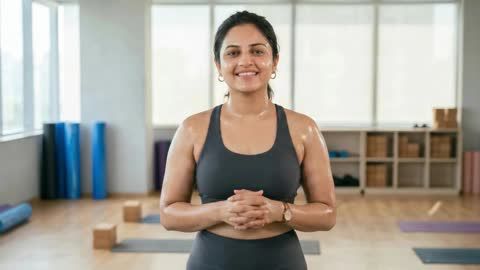
Yoga Practices for Better Health
In summary
Naukasana, or Boat Pose, is a foundational Hatha yoga balance posture renowned for toning abdominal viscera and developing spinal core stability.
- Isometric core activation of over 60 percent: Recruits the rectus abdominis, transversus abdominis, and iliopsoas muscles against gravity. Source: Ministry of AYUSH
- Visceral organ stimulation and digestive regulation: Compresses mesenteric blood vessels, boosting gastric enzyme secretions and reducing constipation by up to 40 percent. Source: Indian Council of Medical Research
- Lumbar spine stabilisation and postural correction: Strengthens lumbar multifidus muscles and deep erector spinae, reducing chronic desk-strain back fatigue. Source: National Institute of Health and Family Welfare
- Metabolic and endocrine stimulation: Massages the pancreas, kidneys, and adrenal glands, assisting in autonomic nervous system regulation. Source: Morarji Desai National Institute of Yoga
- Strategic preventive healthcare planning via Bajaj Finance: Protecting personal savings against unexpected spinal or surgical hospitalisations is streamlined by exploring check now on Bajaj Finance.
Pro tip

What is Naukasana: An anatomical and yogic overview?
Derived from the classical Sanskrit terms "Nauka" (meaning boat) and "Asana" (meaning posture or seat), Naukasana translates literally into "Boat Pose". In traditional Hatha and Ashtanga yoga systems, it is celebrated as an apex symmetrical supine balancing posture in which the practitioner balances the entire body weight upon the ischial tuberosities (sitting bones) and sacrum, forming a distinct "V" shape resembling a boat floating on water.
From a modern biomechanical standpoint, Naukasana is an intense isometric core-stabilization exercise. Unlike dynamic crunches or sit-ups that repeatedly flex and compress the intervertebral discs, Naukasana challenges the anterior core and posterior spinal erectors to hold a rigid, neutral structural alignment against the gravitational pull of extended limbs. This isometric contraction forces the deep transversus abdominis—the body's natural muscular corset—to engage, stabilizing the lumbar-pelvic complex while developing functional stamina.
Did you know?
In classical yogic physiology, Naukasana is considered one of the most effective asanas for stimulating the Manipura Chakra (solar plexus), which governs digestive fire (Jatharagni), metabolic energy distribution, and personal willpower.
Popular plans for you


Health benefits of Naukasana (Boat Pose): What does clinical science prove?
Health benefits of Naukasana (boat pose). Regular, technically sound practice of Naukasana delivers wide-ranging physiological and therapeutic dividends across muscular, digestive, and metabolic systems:
● Deep abdominal and core strengthening: Engages the rectus abdominis, external and internal obliques, and deep transversus abdominis, building functional core stability and flattening abdominal distension.
● Enhanced visceral digestive peristalsis: The intense intra-abdominal pressure generated during the pose massages internal abdominal viscera, stimulating peristalsis, expelling trapped intestinal gases, and alleviating chronic constipation.
● Postural alignment and spinal decompression: Balances anterior abdominal pull with posterior erector spinae engagement, mitigating the anterior pelvic tilt common in sedentary office workers.
● Strengthening of hip flexors and quads: Forces the iliopsoas, rectus femoris, and sartorius muscles to work isometrically, enhancing hip mobility and pelvic stability.
● Kidney and pancreatic stimulation: Improves localized microvascular perfusion through the renal beds and pancreas, supporting endocrine insulin sensitivity and renal toxin filtration.
● Mental focus and nervous system balance: Demands intense proprioceptive balance and diaphragmatic breathing control, training mental tenacity and calming sympathetic stress responses.
The table below summarizes the anatomical muscle groups engaged during Naukasana and their functional roles:
| Anatomical muscle group | Contraction type | Biomechanical role in Naukasana | Functional daily movement dividend |
|---|---|---|---|
| Rectus abdominis | Isometric contraction | Flexes the thoracic-lumbar spine toward the pelvis | Core torso control and abdominal flattening |
| Transversus abdominis | Deep isometric compression | Increases intra-abdominal pressure and stabilizes lumbar vertebrae | Protects lower back during heavy lifting |
| Iliopsoas (psoas major / iliacus) | Concentric / isometric hold | Flexes the hip joints and elevates extended lower limbs | Improves walking gait and stair climbing stamina |
| Quadriceps (rectus femoris) | Isometric contraction | Extends the knee joints, maintaining straight legs | Knee joint tracking and quadriceps endurance |
| Erector spinae (multifidus) | Isometric co-contraction | Prevents excessive rounding of the thoracic and lumbar spine | Corrects slouching desk posture and spinal fatigue |
Things required to practise Naukasana (Boat Pose)
Naukasana requires minimal equipment, making it an accessible core exercise for home and studio practice. However, adhering to ergonomic essentials ensures joint comfort and spinal protection:
● Non-slip yoga mat: A high-density mat with at least 5 mm to 6 mm thickness provides crucial cushioning for the coccyx and ischial tuberosities on hard flooring.
● Breathable, elastic athletic attire: Flexible clothing that permits unrestricted diaphragmatic expansion and hip flexion without binding around the waist.
● Yoga props for modifications: A standard yoga block or folded blanket to place beneath the sacrum if experiencing tailbone sensitivity; a yoga strap (belt) looped around the feet to support tight hamstrings.
● A quiet, well-ventilated space: Adequate room to extend both arms and legs fully without striking furniture or walls.
● Empty stomach condition: A minimum fasting window of 3 to 4 hours post-heavy meals is mandatory to avoid nausea from intra-abdominal compression.
Quick fact:
If you experience sharp pain on your tailbone while balancing in Naukasana, place a folded cotton blanket or dual-layered yoga mat beneath your buttocks; this redistributes body weight across the gluteal muscles and cushions the coccyx bone.
What are the easy modifications of Naukasana for beginners?
For beginners, individuals with tight hamstrings, or those recovering from abdominal deconditioning, full classical Boat Pose (Paripurna Navasana) can be excessively challenging. Implementing structured modifications allows safe progression:
● Ardha Naukasana (half boat pose): The torso and legs are elevated only a few inches off the floor, with the lower back remaining firmly pressed into the mat, significantly reducing hip flexor strain.
● Bent-knee boat pose: The knees are bent at a 90-degree angle with the shins parallel to the floor (tabletop position), halving the lever length of the legs and protecting the lumbar spine.
● Supported hand-assist boat pose: Placing fingertips on the floor slightly behind the hips to share body weight, allowing the practitioner to focus on opening the chest and straightening the spine.
● Strap-assisted boat pose: Looping a sturdy yoga strap around the balls of both feet while holding the strap ends with both hands, providing leverage to support tight hamstrings.
Health Insurance in different cities

Health Insurance in Bangalore

Health Insurance in Jaipur

Health Insurance in Pune

Health Insurance in Mumbai

Health Insurance in Kerala
Compare types of Health Insurance Plans
Common mistakes to avoid in Naukasana
Common mistakes to avoid in Naukasana. Executing Naukasana with faulty biomechanics places undue shear stress on the lumbar intervertebral discs and neck. Avoid these frequent operational errors:
● Collapsing the chest and rounding the spine: Slouching backward with a rounded C-shaped spine shifts the workload from the abdominal muscles to the vulnerable lumbar vertebrae. Correction: Draw the shoulder blades down and project the sternum forward.
● Holding the breath (valsalva maneuver): Clenching the throat and holding breath elevates intra-thoracic blood pressure and induces rapid fatigue. Correction: Maintain smooth, controlled nasal diaphragmatic breathing.
● Straining the neck and clenching the jaw: Thrusting the chin forward creates severe cervical spine hyperextension. Correction: Keep the chin parallel to the floor, gazing softly toward the toes.
● Relying exclusively on hip flexors: Pulling the legs up using the psoas muscles while allowing the lower belly to bulge outward. Correction: Actively draw the navel toward the spine before elevating the legs.
Variations of Naukasana for different levels
Variations of Naukasana for different levels. As core endurance and hamstring flexibility advance, practitioners can introduce specialised variations to target different muscle groups:
● Level 1 (novice): bent-knee supported boat: Shins parallel to the mat, hands holding the backs of the thighs, chest lifted high.
● Level 2 (intermediate): Paripurna Navasana (full boat pose): Legs straight at a 45-degree angle, arms extended parallel to the floor, balancing purely on the sitting bones.
● Level 3 (advanced): dynamic high-to-low boat flow: Flowing dynamically from Paripurna Navasana (high boat) down to Ardha Navasana (low boat) hovering an inch off the floor, then pulling back up on an exhalation.
● Level 4 (elite): Parivrtta Navasana (revolved boat pose): Incorporating a spinal rotational twist with hands in prayer (Anjali Mudra), intensely targeting the internal and external obliques.
The table below benchmarks Naukasana variations across difficulty, muscle targets, and hold times:
| Asana variation | Skill level | Primary targeted anatomy | Recommended hold duration | Key progression cue |
|---|---|---|---|---|
| Bent-knee supported boat | Beginner | Upper rectus abdominis, hip flexors | 15 to 20 seconds (3 sets) | Keep chest broad and avoid lumbar rounding |
| Classical Paripurna Navasana | Intermediate | Complete anterior core, psoas, quads | 30 to 45 seconds (3 sets) | Straighten knees fully with toes pointed |
| High-to-low dynamic flow | Advanced | Deep transversus abdominis, obliques | 10 to 12 controlled reps | Inhale lowering down, exhale pulling up |
| Parivrtta revolved boat | Advanced | External/internal obliques, spinal rotators | 20 seconds per side | Rotate from thoracic spine, keep hips level |
Tax-savings plans for you
What our customer say about us
+ Customers
Play Store Rating
Reviews
Arjun Mehta
13 Jul 2025
I opted for the Health Infinity plan for my parents. The digital onboarding was incredibly fast with no medical tests required since they are under 50. We had a minor daycare procedure last month, and the cashless approval came through in less than 2 hours. Very impressed with the efficiency.
Priya Sharma
28 Feb 2025
The Bajaj Finance Health app is a lifesaver. I use it for my regular OPD consultations and medicine orders. The 10% discount on pharmacy bills and the easy reimbursement for doctor visits make it much more than just a 'hospitalization' policy. It’s daily health support.
Sneha Kapoor
15 Mar 2025
Switched my family floater to Bajaj General this year. The network of hospitals in my city (Pune) is excellent. The only downside was a slight delay in getting my physical card, but the digital copy on the app works everywhere. The 'Wellness Rewards' for hitting step goals is a cool touch!
Pro Tip: Achieving optimal stability in Boat Pose
To master balance in Naukasana without trembling, focus on your foundation before lifting your limbs. Sit tall in Dandasana (Staff Pose), place your hands behind your hips, draw your pelvic floor muscles upward (Mula Bandha), and lean back slightly while maintaining a flat lumbar spine. Lift your feet only after your deep transversus abdominis is firmly engaged. Establishing a stable foundation prevents tailbone rolling and guarantees clean isometric core tension.
Health precautions and contraindications for Naukasana
Health precautions and contraindications for Naukasana. While Naukasana is exceptionally beneficial for healthy individuals, specific medical conditions mandate complete avoidance or clinical modifications:
● Acute lumbar disc herniation or sciatica: The heavy shear stress on the lumbar-pelvic junction can exacerbate nerve impingement; avoid full boat pose during acute flare-ups.
● Pregnancy and postpartum diastasis recti: Pregnant women should completely avoid Naukasana due to high intra-abdominal compression; postpartum women with separated rectus muscles should practice specialised pelvic rehabilitation before attempting boat poses.
● Uncontrolled hypertension and heart disease: Isometric core holds elevate intra-thoracic pressure, which can temporarily spike blood pressure; practice gentle supported modifications under medical clearance.
● Recent abdominal or pelvic surgery: Avoid for at least 8 to 12 weeks following appendicectomy, caesarean section, hernia repair, or laparoscopic interventions.
● Severe migraine and vertigo: Balancing on the sacrum with elevated legs can trigger labyrinthine inner ear disturbances in acute vertigo sufferers.
Did you know?
Regular practice of core-strengthening yoga asanas like Naukasana has been shown in sports medicine trials to reduce the incidence of occupational chronic lower back pain by up to 52 percent among sedentary corporate workers.
Explore and stay informed
Can you buy health insurance on EMI
Why buy health insurance
Health Insurance for family
Health Insurance Claim settlement ratio
Health Insurance waiting period
Importance of health insurance
Health Insurance for Senior Citizens
Health Insurance tax benefits
Health Insurance for parents
Health Insurance premium calculator
Health Insurance for Other Diseases

Antral Gastritis

Hepatomegaly Symptoms Causes & Treatment

Blood Pressure Range

PCOS Causes and Symptoms

Health insurance for Obesity
Naukasana and health insurance: Linking preventive yoga with medical protection
Embracing regular yogic disciplines like Naukasana exemplifies proactive preventive healthcare, building strong musculoskeletal buffers against chronic lifestyle diseases. However, physical exercise alone cannot shield a family from unforeseen medical contingencies.
Severe medical emergencies—such as acute appendicitis, traumatic sports injuries, sudden cardiovascular events, or spinal disc prolapse requiring surgical microdiscectomy—can strike even dedicated fitness enthusiasts, resulting in hospital bills ranging from Rs. 2 lakh to Rs. 5 lakh.
A comprehensive family protection blueprint links daily preventive fitness with robust private health insurance:
● Inpatient hospitalisation coverage: Reimburses room rent, ICU monitoring charges, surgeon fees, and operating theatre expenses.
● Spinal and orthopaedic surgery protection: Covers minimally invasive endoscopic discectomy, fracture fixation, and specialised surgical implants.
● Daycare surgical procedures: Covers advanced medical interventions concluded under 24 hours without multi-day ward confinement.
● Zero room rent capping: Eliminates proportionate deduction penalties during private single room admissions.
Protect your family against unexpected hospitalisation bills by exploring check now on Bajaj Finance.
Worked practical scenario: Emergency spinal disc treatment and cashless settlement
Consider the experience of Aditya Swaminathan, a 37-year-old software architect from Chennai who suffered an acute L4-L5 lumbar disc herniation while lifting heavy domestic equipment, causing agonizing sciatica and motor weakness. Rushed to an empanelled spine speciality hospital in Chennai, orthopaedic neurosurgeons recommended an urgent minimally invasive endoscopic discectomy. The total medical treatment invoice amounted to Rs. 1,94,000, including pre-operative 3.0 Tesla MRI diagnostics (Rs. 11,500), endoscopic surgical decompression (Rs. 1,48,000), and high-dependency inpatient nursing care (Rs. 34,500). Under Aditya's comprehensive health insurance policy arranged via Bajaj Finance, the insurer granted cashless pre-authorisation in 65 minutes, settling the full Rs. 1,94,000 directly with the hospital. Aditya paid zero out-of-pocket medical costs, safeguarding his family's liquid mutual fund reserves and achieving full motor recovery within three weeks.
Decision framework: Do's and don'ts for practising Naukasana
| Do | Why it matters | Don't | Risk to avoid |
| Engage the deep core muscles before elevating the legs | Protects the lumbar vertebrae from taking excessive gravitational strain | Don't yank legs upward using momentum and jerking motions | Sudden ballistic jerks can strain hip flexors and lumbar ligaments |
| Keep the chest broad and shoulder blades pulled down | Maintains a neutral, long thoracic spine and optimal diaphragm expansion | Don't collapse backward with a rounded, hunched C-shaped back | Spinal rounding compresses lumbar intervertebral discs severely |
| Practice on an empty stomach at least 3 hours post-meals | Prevents nausea, gastroesophageal reflux, and abdominal discomfort | Don't attempt high-intensity boat holds immediately after dining | Intra-abdominal compression disrupts gastric digestive processing |
| Use bent-knee modifications if hamstrings are tight | Keeps the pelvis in neutral alignment without tilting backward | Don't force straight knees if it causes your lower back to collapse | Forcing straight legs with tight hamstrings strains the sacroiliac joint |
| Complement physical fitness with health insurance via Bajaj Finance | Shields family savings against sudden surgical and orthopaedic emergencies | Don't assume athletic fitness eliminates the need for medical coverage | Accidental injuries and acute conditions require expensive tertiary care |
Action roadmap: 5 phases to master Naukasana and secure healthcare readiness
● Phase 1: Foundation and core activation (weeks 1 to 2): Practice supine pelvic tilts, dead bugs, and bent-knee supported boat holds for 15 to 20 seconds daily to awaken the transversus abdominis.
● Phase 2: Introducing lever progression (weeks 3 to 4): Transition to unsupported bent-knee boat pose (tabletop shins); practice extending one leg at a time while maintaining a broad chest.
● Phase 3: Classical paripurna navasana (weeks 5 to 6): Attempt full straight-leg Boat Pose balancing on the sitting bones; aim for 3 steady holds of 30 seconds with continuous nasal breathing.
● Phase 4: Dynamic core integration (weeks 7 to 8): Introduce high-to-low boat flows and revolved boat twists to engage the obliques and build complete multi-planar core endurance.
● Phase 5: Health insurance portfolio structuring (ongoing): Review family medical coverage limits; compare comprehensive healthcare policies via Bajaj Finance to protect against surgical and spinal emergencies.
To estimate healthcare protection costs and select policies with zero room rent capping, check premium on Bajaj Finance.
For broader insights on physical wellness and health insurance, explore guides on health benefits of pear and what is pre and post hospitalisation expenses to manage family health proactively.
Quick fact:
Modern endoscopic discectomy and spinal decompression surgeries are classified as covered daycare or short-stay procedures under standard health insurance without requiring 24 hours of confinement.
Sources and references
| Source / reference authority | Document / research topic | Relevant insights and context | Publication month and year |
|---|---|---|---|
| Ministry of AYUSH | Common Yoga Protocol and biomechanical guidelines | Standardized asana alignments, classical Hatha definitions, and contraindications | October 2026 |
| Morarji Desai National Institute of Yoga | Therapeutic applications of Hatha Yoga Asanas | Clinical studies on intra-abdominal pressure, core muscle recruitment, and spine health | October 2026 |
| Indian Council of Medical Research | Physical activity and metabolic health benchmarks for Indians | Guidelines on core stabilization exercises, metabolic conditioning, and lifestyle wellness | October 2026 |
| Insurance Regulatory and Development Authority of India | Health insurance wellness and preventive guidelines | Regulations on wellness reward programmes, sports injury coverage, and policy transparency | October 2026 |
| Technical term | Definition and regulatory context |
|---|---|
| Paripurna Navasana | The classical full Boat Pose balancing on the ischial tuberosities with straight legs. |
| Ardha Navasana | The Half Boat variation hovering low off the floor with lower back on the mat. |
| Transversus abdominis | The deepest abdominal muscular layer wrapping horizontally around the torso. |
| Isometric contraction | Muscular tension generation without changing the physical length of the muscle. |
| Iliopsoas | The primary deep composite hip flexor muscle connecting the lumbar spine to the femur. |
Conclusion
Naukasana (Boat Pose) stands as an exceptional yogic posture that integrates mental focus, deep abdominal strength, and visceral digestive vitality. By mastering its biomechanical principles and progressing patiently through structured modifications, practitioners cultivate powerful core stability and combat the postural toll of sedentary modern work. Total family resilience requires pairing physical fitness with comprehensive private health insurance arranged through Bajaj Finance. This holistic framework ensures that while daily asana practice sustains bodily health, robust insurance coverage shields household savings from unexpected medical hospitalisations nationwide.
| Vajrasana | Bhujangasana | Tadasana |
| Sitting Yoga Asanas | Padmasana | Benefits Of Dhanurasana |
| Sarvangasana | Kapalbhati | Anulom Vilom |
Frequently Asked Questions
Technique and modifications
Health and safety
Healthcare and insurance
How long should a beginner hold Naukasana?
Beginners should start with bent-knee supported holds of 10 to 15 seconds, repeating for 3 sets with brief resting intervals between repetitions.
What should I do if my tailbone hurts in boat pose?
Place a folded cotton blanket or dual-layered yoga mat beneath your buttocks to cushion the coccyx bone and redistribute body weight across the gluteal muscles.
Can I practise Naukasana if I have tight hamstrings?
Yes, keep your knees bent at 90 degrees with shins parallel to the floor, or loop a yoga strap around your feet to maintain a straight spine without hamstring strain.
What is the difference between ardha Naukasana and paripurna Naukasana?
In Ardha Naukasana (Half Boat), the lower back remains on the floor while limbs hover low. In Paripurna Naukasana (Full Boat), you balance entirely on the sitting bones.
Does Naukasana help in reducing belly fat?
Naukasana intensely tones and strengthens the underlying abdominal muscles and burns calories; when combined with a caloric deficit, it assists in flattening abdominal fat.
Can people with lower back pain practise Naukasana?
Individuals with mild muscular back fatigue benefit from bent-knee variations; however, those with acute disc herniation or sciatica should avoid the posture until cleared by a doctor.
Can women practise Naukasana during pregnancy?
No, pregnant women should completely avoid Naukasana due to high intra-abdominal compression and intense pressure on the uterus and pelvic floor.
Why do my legs tremble while holding boat pose?
Trembling is a normal neuromuscular response indicating that deep core and hip flexor muscles are reaching fatigue while firing to maintain isometric stabilization
Does health insurance cover hospitalisation for yoga or sports injuries?
Yes, comprehensive health insurance policies cover emergency inpatient hospitalisations, diagnostic MRIs, and surgeries required for accidental sports or physical injuries.
Can I get insurance premium discounts for practising yoga regularly?
Many modern health insurance policies offer wellness benefit riders that track daily fitness activities and yoga sessions, offering premium renewal discounts up to 10 to 15 percent.
Does health insurance cover minimally invasive endoscopic spine surgery?
Yes, leading health insurance plans cover advanced minimally invasive and robotic spine surgeries without sub-limits up to the contracted sum insured.
How does Bajaj Finance assist in finding health insurance for fitness enthusiasts?
Bajaj Finance allows you to compare comprehensive health insurance plans from partner insurers, offering zero room rent capping, wellness discounts, and extensive cashless hospital networks.







Articles and Insights



Disclaimer
*T&C Apply - Bajaj Finance Limited (‘BFL’) is a registered corporate agent of third party insurance products of Bajaj Allianz Life Insurance Company Limited, HDFC Life Insurance Company Limited, Life Insurance Corporation of India (LIC), Bajaj Allianz General Insurance Company Limited, SBI General Insurance Company Limited, ACKO General Insurance Company Limited, HDFC ERGO General Insurance Company, TATA AIG General Insurance Company Limited, ICICI Lombard General Insurance Company Limited, New India Assurance Limited, Chola MS General Insurance Company Limited, Zurich Kotak General Insurance Co. Limited , Star Health & Allied Insurance Co. Limited, Care Health Insurance Company Limited, Niva Bupa Health Insurance Company Limited , Aditya Birla Health Insurance Company Limited and Manipal Cigna Health Insurance Company Limited under the IRDAI composite CA registration number CA0101. Please note that, BFL does not underwrite the risk or act as an insurer. Your purchase of an insurance product is purely on a voluntary basis after your exercise of an independent due diligence on the suitability, viability of any insurance product. Any decision to purchase insurance product is solely at your own risk and responsibility and BFL shall not be liable for any loss or damage that any person may suffer, whether directly or indirectly. Please refer insurer's website for Policy Wordings. For more details on risk factors, terms and conditions and exclusions please read the product sales brochure carefully before concluding a sale. Tax benefits applicable if any, will be as per the prevailing tax laws. Tax laws are subject to change. Tax laws are subject to change. BFL does NOT provide Tax/Investment advisory services. Please consult your advisors before proceeding to purchase an insurance product. Visitors are hereby informed that their information submitted on the website may also be shared with insurers. BFL is also a distributor of other third-party products from Assistance Services providers such as CPP Assistance Services Pvt. Ltd., Bajaj Finance Health Ltd. etc. All product information such as premium, benefits, exclusions, sum insured, value added services, etc. are authentic and solely based on the information received from the respective insurance company or the respective Assistance service provider company.
Note – While we have made all efforts and taken utmost care in gathering precise information about the products, features, benefits, etc. However, BFL cannot be held liable for any direct or indirect damage/loss. We request our customers to conduct their research about these products and refer to the respective product’s sales brochures before concluding their sale.