
Choosing between an induction cooktop and an infrared cooktop comes down to your cookware, cooking habits, and budget.
- Best for energy efficiency: Induction cooktop — heats cookware directly with minimal energy waste.
- Best for cookware flexibility: Infrared cooktop — works with all types of cookware including aluminium, clay, and copper.
- Best for safety: Induction cooktop — surface stays cooler and includes automatic shutoff and child lock.
- Best for traditional Indian cooking: Infrared cooktop — compatible with all existing Indian kitchen vessels without replacement.
- Best for faster cooking: Induction cooktop — electromagnetic heating is faster than infrared radiation.
- Best for budget buyers: Infrared cooktop — generally more affordable at entry-level price points.
- Best for easy cleaning: Both — flat toughened glass surfaces on both types are far easier to clean than gas stove grates.
You can make your purchase even more affordable with Bajaj Finserv's Easy EMI options, available across 1.5 lakh partner stores in 4,000 cities across India.
A common kitchen upgrade question today is whether induction or infrared cooktops are better for everyday Indian cooking. In 2026, induction offers faster heating, energy efficiency, and a cool surface, while infrared works with all cookware and feels closer to gas stoves. The right choice depends on your pots, cooking style, and family needs. This guide gives you a complete, side-by-side breakdown so you can make the right decision for your Indian kitchen with confidence.
And if you are planning to make the switch, they are highly affordable to own. With Bajaj Finserv's financing options available across 1.5 lakh partner stores like Croma, Vijay Sales, and Reliance Digital in 4,000 cities, you can convert the cost into Easy EMIs with flexible tenures up to 60 months. Simply check your loan eligibility now and bring home your desired washing machine without worrying about overspending.
What is an induction cooktop?
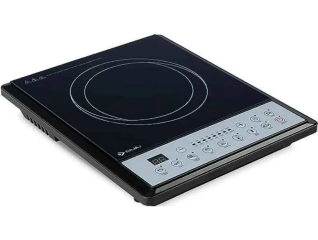
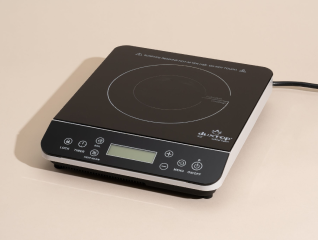
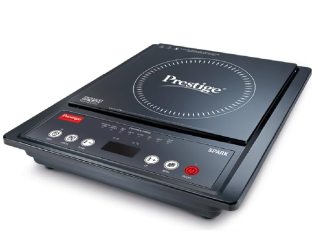
An induction cooktop uses electromagnetic energy to heat cookware directly without heating the surface itself. When a magnetic-base vessel is placed on the glass surface, an electromagnetic field heats the metal in the vessel rapidly and evenly. The surface stays cool, and the cooktop switches off automatically when the vessel is removed. Induction cooktops are available in India between Rs. 1,500 and Rs. 8,000 and are popular in compact urban apartments for their safety and energy efficiency. The key limitation for Indian households is cookware compatibility since aluminium, copper, and clay vessels will not work on induction.