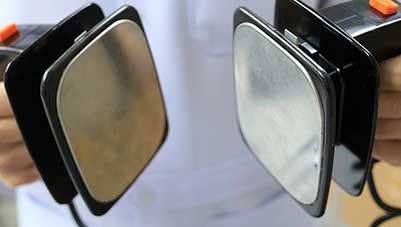







An IFT machine is a commonly used physiotherapy device designed to provide pain relief and promote tissue healing through interferential current therapy. It is widely used in rehabilitation centres, hospitals, and physiotherapy clinics to manage musculoskeletal and neurological conditions. IFT machines are valued for their effectiveness in deep tissue stimulation and patient comfort during therapy, and clinics planning equipment upgrades may also choose to check medical equipment finance eligibility during the evaluation stage.
What is an IFT machine?
An IFT (Interferential Therapy) machine is an electrotherapy device that delivers low-frequency electrical currents into the body using two medium-frequency currents that intersect. This intersection creates an interferential current that penetrates deeper into tissues, helping relieve pain, reduce inflammation, and improve blood circulation.
- Uses intersecting electrical currents for deep tissue therapy
- Commonly applied in physiotherapy and rehabilitation
- Suitable for acute and chronic pain management
Uses of IFT machine
IFT machines are used across a variety of therapeutic applications, particularly in physiotherapy and rehabilitation. They help manage pain, reduce muscle stiffness, and support recovery in patients with injuries or chronic conditions. Their non-invasive nature makes them suitable for repeated therapy sessions under professional supervision.
Components of IFT machine
A typical IFT machine consists of several essential components, including:
- Main control unit with display and settings
- Electrodes and lead wires
- Frequency and intensity control knobs or digital interface
- Power supply and safety controls
These components work together to deliver controlled and effective interferential therapy.
Features of IFT machine
Modern IFT machines come equipped with features that enhance usability and treatment outcomes, such as:
- Adjustable frequency and intensity levels
- Multiple treatment modes and presets
- User-friendly digital interface
- Safety features for controlled current delivery
These features allow therapists to customise treatments based on patient needs.
Key factors affecting IFT machine cost
Several factors influence the cost of an IFT machine, including:
- Type and level of technology used
- Number of channels and output options
- Build quality and brand reputation
- Warranty, service, and after-sales support
Understanding these factors helps buyers choose a machine that fits both clinical and budgetary requirements.
IFT machine price in India
| Type of IFT machine | Approximate price range (INR) |
|---|---|
| Basic IFT machine | Rs. 15,000 – Rs. 30,000 |
| Mid-range IFT machine | Rs. 30,000 – Rs. 60,000 |
| Advanced IFT machine | Rs. 60,000 – Rs. 1,00,000 or more |
Prices may vary depending on specifications, features, and supplier terms, and buyers comparing costs may also prefer to check pre-approved medical equipment finance offer to plan purchases more efficiently.
Difference between IFT, TENS and EMS
| Therapy type | Primary use | Current type |
|---|---|---|
| IFT | Deep pain relief and muscle stimulation | Medium-frequency interferential current |
| TENS | Pain modulation | Low-frequency electrical current |
| EMS | Muscle strengthening and rehabilitation | Electrical muscle stimulation |
Each therapy serves a specific purpose in physiotherapy and rehabilitation treatment plans.
Choosing the best IFT machine
When selecting an IFT machine, physiotherapy practices should consider:
- Clinical requirements and patient volume
- Ease of operation and training needs
- Portability and build quality
- Availability of service and technical support
Choosing the right device ensures effective therapy delivery and long-term operational efficiency.
Financing an IFT machine with Bajaj Finserv
Purchasing physiotherapy equipment can be made more manageable with suitable financing solutions. Bajaj Finserv offers flexible options through medical equipment finance, helping healthcare professionals and clinics acquire essential devices without heavy upfront investment. Access to financing for medical equipment allows practices to upgrade infrastructure while maintaining steady cash flow.
Conclusion
An IFT machine is an important tool in modern physiotherapy and rehabilitation, supporting pain relief and recovery across a wide range of conditions. Understanding its features, uses, cost factors, and differences from other electrotherapy devices helps practitioners make informed decisions. Healthcare professionals can also explore suitable financial solutions, including loans for doctors, to support investments in physiotherapy equipment and clinical infrastructure.