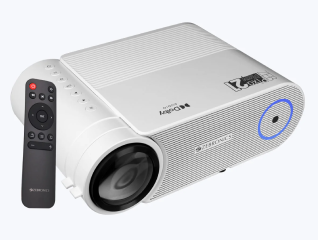
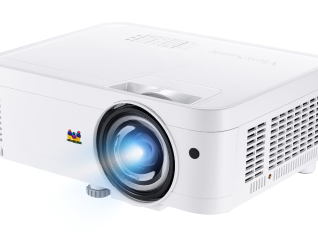
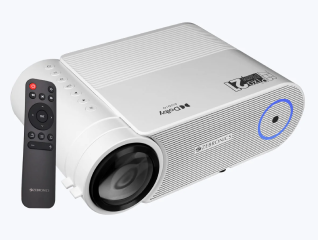
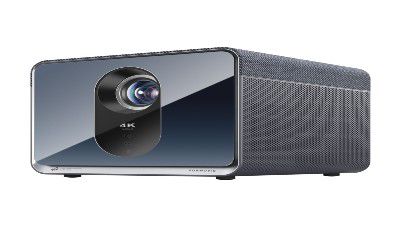
Operating a projector involves setting up the device correctly, connecting compatible input sources, adjusting display settings, and maintaining proper viewing alignment for clear image projection. Modern projectors are commonly used for office presentations, classroom teaching, gaming, home entertainment, and multimedia streaming. Most projectors support HDMI, USB, Wi-Fi, Bluetooth, and screen mirroring connectivity for laptops, smartphones, gaming consoles, and streaming devices. Proper projector operation also includes focus adjustment, keystone correction, brightness optimisation, and regular maintenance to ensure stable long-term performance and better picture quality.
If you are looking for a new projector, head to any of Bajaj Finance’s 1.5 lakh partner stores in 4,000 cities in India. Choose your ideal model, pay with Easy EMIs, and enjoy zero down payment on select deals. Simply check your loan eligibility now and bring home your desired product without worrying about overspending.
What setup requirements and placement guidelines improve projector viewing quality
Proper projector placement and room setup significantly affect image clarity, viewing comfort, screen size, and overall projection quality.
• Place the projector at the correct throw distance: The distance between the projector and screen determines the projected image size and viewing clarity. Different projector types require different placement distances.
• Use a stable and level surface: Placing the projector on a flat and stable surface helps reduce image distortion, vibration, and alignment issues during presentations or movie playback.
• Position the projector facing the screen directly: Straight projector alignment helps minimise keystone distortion and improves image symmetry on the projection surface.
• Control ambient room lighting: Darker rooms improve projector visibility, contrast, and colour quality, especially for home theatre and entertainment usage.
• Maintain proper ventilation around the projector: Adequate airflow helps prevent overheating and improves long-term projector performance during extended usage sessions.
• Use a suitable projection screen or flat wall: Smooth and light-coloured surfaces improve image sharpness, brightness consistency, and overall viewing quality.