
Jal Tarang Musical Instrument: History, Techniques and  Buying Guide

Jal Tarang Musical Instrument: History, Techniques and Buying Guide

The jal tarang musical instrument is a classical Indian percussion instrument typically played with 15–22 water-filled bowls. Buy eligible musical instruments on Easy EMIs from Bajaj Finance.

Get a loan offer of up to Rs. 12 lakh

Quick approval | Flexible tenure options | Zero approval fees

In summary


Jal Tarang is a classical Indian percussion instrument that uses water-filled bowls to create clear, melodic tones.

  • Bowl arrangement: Typically uses 15 to 22 bowls arranged in a semicircle for different notes.
  • Material: Ceramic bowls offer a pure, resonant sound, while metal bowls can provide greater durability.
  • Playing method: Wooden sticks strike the bowl rims to produce musical tones.
  • Water tuning: Adjusting water levels changes each bowl’s pitch for accurate tuning.

You can also buy new musical instruments on Easy EMIs at over 1.5 lakh partner stores across 4,000 cities.

What is the Jal Tarang musical instrument?

The Jal Tarang is a traditional Indian percussion instrument that produces musical notes from water-filled bowls. It is played by gently striking the rims of the bowls with small sticks. A typical Jal Tarang can have around 15–22 bowls, with each bowl producing a different pitch.


The water level in each bowl controls its pitch. Adding or removing water changes the note, allowing the musician to tune the instrument. 


You can buy a new musical instrument through Easy EMIs when your preferred model is eligible and available at a partner store, making it simple to upgrade without paying the full amount upfront. Here is what the process looks like.

  • Visit more than 1.5 lakh partner stores across 4,000+ cities, including Jaipur, Lucknow, Kochi, and Bhopal
  • Choose your preferred model and use the Bajaj Finance Insta EMI Card or Easy EMI Loan
  • Convert the purchase cost into Easy EMIs that suit your monthly budget

➜ Pro tip: Zero down payment is available on select models, so ask the store executive if your chosen musical instrument qualifies before you check out.

What is the history and origin of the Jal Tarang?

The Jal Tarang has roots in the musical traditions of ancient India. Its name combines “Jal”, meaning water, and “Tarang”, meaning waves, reflecting its water-based sound production.


The instrument developed as part of Indian classical music and became associated with melodic performances. Traditionally, musicians used a set of ceramic or porcelain bowls filled with different amounts of water. By striking the rims with wooden sticks, they could produce different musical notes.


Over time, Jal Tarang evolved in its construction and playing methods. While traditional instruments commonly use ceramic bowls, some modern versions use metal bowls for greater durability. The instrument remains a distinctive part of Indian musical heritage and continues to be used for performances and demonstrations.


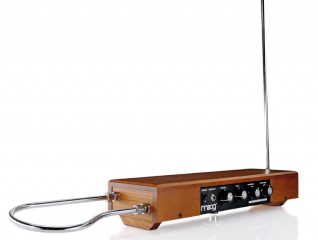
Also read - Theremin musical instrument

How is the Jal Tarang constructed and designed?

The Jal Tarang has a simple but carefully arranged design. It consists of multiple bowls filled with different amounts of water, with each bowl producing a specific musical note.

  • Bowls: A traditional Jal Tarang generally contains 15–22 bowls arranged in a semicircle around the musician.
  • Material: The bowls are commonly made from ceramic or porcelain, while some modern versions use metal.
  • Water: Different water levels in the bowls help produce different pitches.
  • Arrangement: The bowls are positioned in an order that allows the musician to reach each one easily.
  • Playing sticks: Small wooden sticks are used to gently strike the rims of the bowls.
  • Tuning: The water level in each bowl can be adjusted to change its pitch.

Also explore: Piano

What are the different types of Jal Tarang?

Jal Tarang instruments can differ mainly in their bowl material, construction, and intended use. Traditional versions generally use ceramic or porcelain bowls, while modern versions may use metal bowls.

  • Ceramic Jal Tarang: Ceramic bowls are traditionally associated with Jal Tarang and are valued for their resonant musical tones.
  • Porcelain Jal Tarang: Porcelain bowls can provide a clear, delicate sound and are used in traditional-style instruments.
  • Metal Jal Tarang: Metal bowls offer a more durable construction and can be suitable for modern performances or regular practice.
  • Traditional Jal Tarang: Traditional designs use multiple water-filled bowls arranged around the musician, with water levels adjusted to produce different notes.

The most suitable type depends on your preferred sound, playing style, durability needs, and experience level.

What are the techniques for playing Jal Tarang music?

Playing Jal Tarang requires careful water tuning, controlled striking, and steady rhythm. Regular practice helps develop accuracy and coordination.


TechniqueHow it helps
Arrange the bowlsPosition the bowls in a semicircle according to their required notes.
Set water levelsAdd or remove water to adjust each bowl’s pitch.
Hold the sticksMaintain a comfortable grip for controlled movements.
Strike the rimsUse gentle, accurate strikes to produce clear tones.
Control the forceMaintain consistent pressure for balanced sound.
Practise rhythmStart with simple patterns before progressing to complex sequences.
Adjust the pitchFine-tune water levels to achieve the required notes.

→ Pro tip: Tune each bowl carefully before playing and use light, controlled strikes for clearer tones.

What are the best ways to maintain a Jal Tarang instrument?

Proper maintenance keeps a Jal Tarang clean, tuned, and ready for playing. Regular cleaning and careful handling can help preserve its bowls and sound quality.

  • Clean the bowls: Empty the water after use and gently remove residue and dust.
  • Use clean water: Use clean or distilled water to reduce mineral deposits.
  • Dry properly: Dry each bowl completely before storage to reduce moisture-related damage.
  • Check for damage: Inspect bowls regularly for cracks, chips, or other damage.
  • Protect the bowls: Store them carefully to prevent contact and accidental breakage.
  • Maintain the sticks: Keep playing sticks clean and dry, and replace damaged ones.
  • Check tuning: Adjust water levels before playing to achieve the required notes.

→ Pro tip: Use clean water and dry the bowls thoroughly after each session to help maintain consistent sound and condition.

How does a Jal Tarang produce sound?

A Jal Tarang produces musical tones when water-filled bowls are gently struck with small sticks. Water level, bowl characteristics, and striking technique influence the sound.


ElementRole in sound production
Water-filled bowlsProduce different pitches based on the amount of water.
Striking the rimCreates vibrations that produce the characteristic sound.
Water levelAdding or removing water changes the pitch.
Bowl arrangementHelps players move between notes during a performance.
Playing techniqueStriking force, rhythm, timing, and accuracy affect sound clarity.
Bowl characteristicsSize, shape, and material influence the resulting tone.

→ Pro tip: Adjust water levels carefully and use gentle, consistent strikes to achieve clear and balanced tones.

Can Jal Tarang be used in modern music?

Yes, Jal Tarang can be used in modern music alongside traditional Indian compositions. Its distinctive, resonant tones can add a unique texture to contemporary arrangements.

  • Fusion music: Jal Tarang can complement Indian classical instruments with modern musical styles.
  • Film music: Its unusual tone can add depth or a traditional element to selected compositions.
  • Experimental music: Musicians can explore different water levels, rhythms, and striking techniques to create varied sounds.
  • Live performances: The instrument can be included in contemporary stage performances as a distinctive melodic element.
  • Studio recordings: Jal Tarang can add an acoustic texture to songs and instrumental compositions.

Its use depends on the musician's creativity, arrangement, and ability to blend its traditional sound with other instruments.

What are my financing options to buy a musical instrument?

Bajaj Finance offers two financing options at over 1.5 lakh partner stores across 4,000 cities in India. Here is how they compare:


OptionLimitKey features
Bajaj Finance Insta EMI CardCard loan offer up to Rs. 6 lakh3 to 60 months tenure; works at 1.5 lakh partner stores; 1 million eligible products
Bajaj Finance Easy EMI LoanLoan limit up to Rs. 12 lakhQuick loan approval; 3 to 60 months tenure; basic KYC documents needed; ideal for higher-value purchases

How to choose? Both options require you to be physically present at a partner store. The Insta EMI Card is ideal for shoppers who want to purchase across multiple categories over time. The Easy EMI Loan suits buyers looking to finance a higher-value purchase in a single transaction.


Also explore the latest offers. You may find a great deal on a model that matches your needs.

How do I buy a musical instrument on EMI at a Bajaj Finance partner store?

The process is simple and typically takes 10 to 15 minutes once you are at the store.

  1. Find a partner store near you: Use the Bajaj Finance store locator to find a nearby partner outlet.
  2. Check the musical instrument in person: Check the key features, specifications, size, and performance to choose the product that best suits your needs and budget.
  3. Choose a suitable EMI option: At checkout, ask the store executive about the Bajaj Finance Insta EMI Card or Easy EMI Loan. Confirm available tenure options and whether your chosen model comes with a zero down payment offer.
  4. Complete payment and schedule installation: The in-store process is quick, and most partner stores offer installation as part of the purchase.

You can also check your loan eligibility online in advance by entering your mobile number and OTP, helping you plan your purchase better before visiting the store.

Save more with Smart Savings Calculator

Combine the best offers, EMI plans, and exclusive vouchers with Smart Savings Calculator to save big.

20k+ people used their offers at the store

Why use the Smart Savings Calculator

Bajaj Finance’s Smart Savings Calculator helps you unlock maximum savings every time you shop at partner stores. It brings together all available brand, dealer, and scheme offers—so you can see your total savings instantly and shop smarter with Easy EMIs.


  1. Dealer offers - Grab exclusive in-store deals at over 1.5 lakh partner stores across India. Enjoy local discounts and special prices you will not find online.
  2. Brand offers - Access limited-time discounts from top brands across electronics, appliances, and more. Discover brand-specific savings selected just for you.
  3. Bajaj offers - Unlock exclusive Bajaj Finance deals on popular products—available only to our customers. More rewards, more value.­
  4. Scheme offers - Take advantage of time-sensitive offers on select EMI schemes. Get extra benefits after paying just 3 EMIs—visible during EMI selection at checkout.


Calculate your extra savings today!

Frequently asked questions

General

EMI details

Which type of music is Jal Tarang used for?

Jal Tarang is traditionally associated with Indian classical music, particularly melodic performances. It can also be used in devotional, folk, fusion, film, and experimental music. Its clear, resonant tones can add a distinctive character to musical arrangements. The instrument works well when musicians combine controlled striking with carefully adjusted water levels. Today, performers may also use Jal Tarang in contemporary compositions and live performances to create unique musical textures.

Jal Tarang is a distinctive but relatively uncommon Indian musical instrument. It has an important place in traditional Indian music but is less widely played than instruments such as the tabla, sitar, or harmonium. Its unique water-filled bowl design makes it interesting for cultural performances, demonstrations, and classical music. Learning it requires patience because you need to manage water levels, pitch, rhythm, and striking technique carefully.

Jal Tarang is sometimes referred to as “Jal Tarang music” because the instrument creates melodies using water-filled bowls. The name combines “Jal”, meaning water, and “Tarang”, meaning waves, describing the musical effect created through the vibrating bowls. As musicians strike the bowl rims and adjust water levels to change pitch, they create different notes and melodies. The term therefore connects the instrument directly with its distinctive water-based sound.

Shashikala Dani is one of the most renowned Jal Tarang players in India. She is a Hindustani classical musician and a recognised exponent of the instrument. She has performed and taught Jal Tarang, helping preserve this traditional art form. Other notable players include Seetha Doraiswamy, Ragini Trivedi, and Milind Tulankar.

Yes, Jal Tarang has cultural importance as a traditional Indian musical instrument. It is associated with Indian classical music and reflects the creative use of everyday materials in music. Its distinctive water-filled bowls and gentle tones make it an important part of India's musical heritage. The instrument has also been used in performances and demonstrations, helping introduce audiences to traditional musical practices and encouraging interest in preserving this unique art form.

Yes, you can easily bring home your preferred musical instrument using Bajaj Finance’s Easy EMI options. Whether you already have the Insta EMI card or are new to it, here is how to begin:


If you have the Bajaj Finance Insta EMI card:

  • Visit a partner store: Check out the product in person at any of Bajaj Finance’s 1.5 lakh partner stores across 4,000 cities in India.
  • Use your Insta EMI card at checkout: Convert the cost into Easy EMIs that fit your monthly budget.
  • Zero down payment on select models: Take your chosen product home without paying anything upfront.

If you do not have an Insta EMI card:

Check your Insta EMI Card eligibility online using your mobile number and OTP. If you are eligible, apply instantly and enjoy a smarter, more affordable way to buy your favourite product on Easy EMIs.

Show More Show Less

Disclaimer

1. Bajaj Finance Limited (“BFL”) is a Non-Banking Finance Company (NBFC) and Prepaid Payment Instrument Issuer offering financial services viz., loans, deposits, Bajaj Pay Wallet, Bajaj Pay UPI, bill payments and third-party wealth management products. The details mentioned in the respective product/ service document shall prevail in case of any inconsistency with respect to the information referring to BFL products and services on this page. 

2. All other information, such as, the images, facts, statistics etc. (“information”) that are in addition to the details mentioned in the BFL’s product/ service document and which are being displayed on this page only depicts the summary of the information sourced from the public domain. The said information is neither owned by BFL nor it is to the exclusive knowledge of BFL. There may be inadvertent inaccuracies or typographical errors or delays in updating the said information. Hence, users are advised to independently exercise diligence by verifying complete information, including by consulting experts, if any. Users shall be the sole owner of the decision taken, if any, about suitability of the same.