What is a cardiotocograph (CTG) machine?
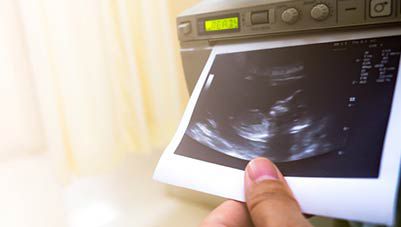
A cardiotocograph machine is a medical device used to monitor foetal heart rate and uterine contractions simultaneously. It provides graphical readings that help obstetricians assess the foetal condition and detect any abnormalities. CTG machines are widely used in antenatal care and during labour to ensure timely interventions if required.
Types of CTG machines
- Standard CTG machine – Basic models for monitoring foetal heart rate and uterine contractions.
- Portable CTG machine – Compact and battery-operated for use in small clinics or home visits.
- Advanced CTG machine – Offers additional features such as digital data storage, touchscreens, and integration with hospital information systems.
- Wireless CTG machine – Provides mobility for pregnant women while continuous monitoring is maintained.
How does a CTG machine work?
- Foetal heart rate monitoring – Uses ultrasound sensors placed on the mother’s abdomen to detect heartbeat.
- Uterine contraction monitoring – Measures contractions through a pressure-sensitive transducer.
- Graphical display – Records heart rate and contraction data on paper or digital screens for interpretation.
- Alarm systems – Alerts medical staff if abnormal readings are detected.
Components and parts of a cardiotocograph machine
- Ultrasound transducer
- Pressure-sensitive toco transducer
- Display screen (LCD or LED)
- Printer or digital storage module
- Control panel with adjustable settings
- Power supply and backup battery
Uses of cardiotocography (CTG) machine
In a low-risk labour, continuous CTG monitoring is not usually required. The midwife will listen to your baby’s heart rate at intervals to ensure it remains normal. However, in certain circumstances, continuous monitoring using CTG may be recommended.
There are various reasons why CTG monitoring might be advised. In general, it is used when closer observation of the baby is considered necessary to identify any potential concerns.
Some common examples include:
- Your baby is due to be born early or appears smaller than expected
- You have high blood pressure
- You have a raised temperature (fever)
- You have an infection
- You pass fresh blood during labour
- You are expecting more than one baby (twins or more)
- Your baby has passed meconium (its first stool) into the amniotic fluid
- Your membranes have ruptured more than 24 hours before labour begins
- Your baby is in an unusual position
If you have an epidural, CTG monitoring may be used for around 30 minutes after it is administered, or following any additional doses.
There may be other reasons as well.
Depending on the situation, some women may require continuous CTG monitoring throughout labour. In other cases, CTG may be used only for a short period and discontinued if the readings are normal.
Benefits and limitations of cardiotocography machines
Benefits:
- Early detection of foetal complications
- Non-invasive monitoring method
- Provides real-time data for immediate medical intervention
Limitations:
- Requires trained personnel for accurate interpretation
- Can sometimes produce false-positive readings due to foetal movement
- Not a standalone diagnostic tool; should be used with other assessments
Side effects and complications of cardiotocography machine
CTG does not involve any radiation and is considered a very safe test. Depending on the equipment used, it may limit your ability to move around freely during labour. Waterproof machines can be used for a water birth, although they may not always be available.
The purpose of CTG is to detect signs that the baby may be in distress, enabling doctors and midwives to act promptly and deliver the baby sooner if necessary, thereby reducing the risk of harm.
However, like any medical test, CTG is not completely accurate. It can sometimes produce ‘false positives’ — suggesting that the baby is in distress when this is not the case — which may lead to interventions such as forceps delivery or a Caesarean section that may not be required.
For this reason, CTG monitoring is not usually recommended for women with low-risk pregnancies and no indications of complications, as the likelihood of false positives is higher in such cases. Instead, other methods of monitoring, such as checking the baby’s heart rate at regular intervals (for example, every 15 minutes), are often preferred. CTG tends to be more useful in higher-risk pregnancies.
Women with infections such as herpes, hepatitis B or C, or HIV are not usually offered internal monitoring, as this may increase the risk of passing the infection to the baby.
Choosing the right CTG machine
- Consider the type of facility and patient volume
- Evaluate portability versus advanced features
- Check for ease of operation and staff training requirements
- Assess maintenance support and availability of spare parts
- Compare prices and financing options for affordability, and check your pre-approved doctor loan offer to see if you can get faster access to funds
Cardiotocography (CTG) machine price list 2026
The price is primarily determined by whether the machine supports twin monitoring and the sophistication of its display and connectivity.
| Machine type and key features | Estimated price range |
| Basic single foetal monitor (Standard display, wired) | Rs. 49,000 – Rs. 75,000 |
| Twin monitoring system (Dual FHR monitoring) | Rs. 85,000 – Rs. 1,80,000 |
| Portable/Smartphone-integrated (Wireless, remote data) | Rs. 1,50,000 – Rs. 3,50,000 |
| Advanced hospital grade (Large touch-screen, high storage) | Rs. 3,00,000 – Rs. 5,50,000 |
| High-end premium systems (Wireless transducers, telemetry) | Rs. 5,50,000 – Rs. 7,80,000 |
Finance CTG machine with Bajaj Finance
Purchasing a CTG machine involves significant investment, but Bajaj Finance provides financing options that make it manageable. You can avail finance for medical equipment through affordable EMIs, ensuring smooth cash flow while upgrading your clinic. Financing helps you acquire advanced CTG machines without straining your working capital.
Conclusion
CTG machines are essential for monitoring maternal and foetal health, improving patient care, and ensuring timely medical interventions. To invest efficiently, you can explore medical equipment finance or consider loans for doctors to support your clinic’s expansion and equipment acquisition while managing costs effectively.