








Invest in equities, F&O and upcoming IPOs effortlessly by opening a demat account online. Enjoy a free subscription for the first year with Bajaj Broking

Know the benefits of demat account
Check now
Free Demat account in minutes | Low brokerage | Online account opening
Absorption costing is a costing method in which a product absorbs both its direct manufacturing costs and its share of fixed and variable manufacturing overheads. It is commonly used to determine product cost and value inventory.
- It includes 4 main cost components: direct materials, direct labour, variable manufacturing overhead, and fixed manufacturing overhead.
- Direct costs can be linked directly to a product, while indirect manufacturing costs are allocated across products.
- Fixed manufacturing overhead is spread across the units produced.
- Unsold products can carry part of the fixed manufacturing overhead as inventory cost.
- Absorption costing can therefore show different profits from variable costing when production and sales volumes differ.
- It provides a fuller picture of manufacturing cost and is used for inventory valuation and external financial reporting.
Show More
Show Less
What is absorption costing?
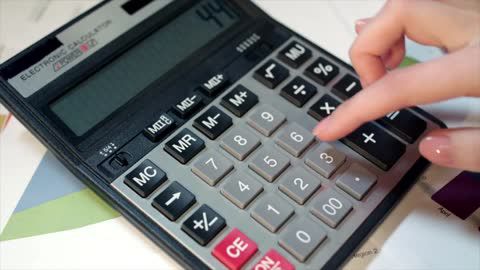
What is absorption costing, and how does it work
Absorption costing is a method used to calculate the full manufacturing cost of a product. It includes costs that can be directly linked to production as well as manufacturing overheads that need to be allocated across products.
Direct costs include items such as raw materials and labour directly involved in manufacturing. Indirect manufacturing costs can include factory rent, utilities, equipment depreciation, insurance related to production, and factory administration costs.
For example, suppose a company manufactures chairs. The cost of wood and the wages of workers making the chairs are direct costs. Factory rent and electricity used for manufacturing are indirect manufacturing costs. Under absorption costing, both types of cost become part of the cost of producing the chairs.
By allocating these manufacturing expenses across the units produced, absorption costing gives a more complete view of production cost and supports inventory valuation.
Show More
Show Less
How does the absorption costing formula work?
The absorption costing formula calculates the manufacturing cost per unit by combining direct costs with fixed and variable manufacturing overhead.
Cost per unit = (Direct materials + Direct labour + Variable manufacturing overhead + Fixed manufacturing overhead) ÷ Total units produced
The formula includes all production-related manufacturing costs rather than only costs that change with output. Fixed manufacturing overhead is allocated across the units produced.
For example, if a manufacturer has direct material, labour, variable overhead, and fixed factory expenses, all four components are combined. The total is then divided by the relevant units produced to work out the manufacturing cost assigned to each unit.
This method can help with inventory valuation, financial reporting, and understanding the full manufacturing cost of a product.
Show More
Show Less
Current IPO
Mainboard
SME

SHANKESH JEWELLERS LIMITED
Bidding period
20 Aug 2026- 18 Aug 2026
Minimum investment
₹14,080 / 13 Lot

SUNSHINE PICTURES LIMITED
Bidding period
20 Aug 2026- 18 Aug 2026
Minimum investment
₹14,022 / 13 Lot

DHANWEL HYBRID SEEDS LIMITED
Bidding period
21 Aug 2026- 19 Aug 2026
Minimum investment
₹1,14,000 / 0 Lot

GAJA ALTERNATIVE ASSET MANAGEMENT LIMITED
Bidding period
21 Aug 2026- 19 Aug 2026
Minimum investment
₹14,136 / 13 Lot

TEMPSENS INSTRUMENTS INDIA LIMITED
Bidding period
24 Aug 2026- 20 Aug 2026
Minimum investment
₹14,250 / 13 Lot

MOPSHOP DISTRIBUTION LIMITED IPO
Bidding period
19 Aug 2026 -
21 Aug 2026
Minimum investment
₹1,38,000 / 1 Lot

ABH HEALTHCARE LIMITED IPO
Bidding period
24 Aug 2026 -
27 Aug 2026
Minimum investment
₹1,15,200 / 1 Lot
SUMAX ENGINEERING LIMITED IPO
Bidding period
25 Aug 2026 -
28 Aug 2026
Minimum investment
₹1,14,000 / 1 Lot
What are the components of absorption costing?
Absorption costing includes different types of manufacturing costs so that the overall production cost can be assigned to the products being made.
1. Direct costs
Direct costs are expenses that can be directly linked to manufacturing a particular product. They include raw materials, direct labour, and other costs directly connected with production.
For example, if a company manufactures tables, the wood used to make each table and the wages of workers directly making the tables are direct costs.
These costs form an important part of the total manufacturing cost under absorption costing.
2. Indirect costs
Indirect costs, also known as manufacturing overheads, are production expenses that cannot be directly traced to one particular product.
They can include factory rent, utilities, maintenance, depreciation, factory management costs, and production-related insurance. These costs are allocated among the products being manufactured using an appropriate allocation method.
For example, the electricity bill for an entire factory may support the production of several different products. Instead of assigning the whole bill to one product, the manufacturing cost is allocated across the relevant products.
Show More
Show Less
How does absorption costing work in an example?
A simple way to understand absorption costing is to separate manufacturing expenses into variable and fixed costs. Each unit produced absorbs its share of these costs.
1. Variable costs per unit
Variable manufacturing costs generally change with the level of production. They may include direct labour, raw materials, and variable manufacturing overhead.
For example, if making more units requires additional raw material, the total raw material cost generally rises as production increases.
These costs are included when calculating the manufacturing cost of each unit.
2. Fixed costs
Fixed manufacturing costs generally remain relatively constant despite changes in production volume within a relevant range. Examples include factory rent, depreciation of manufacturing equipment, and certain permanent factory staff costs.
Under absorption costing, fixed manufacturing overhead is allocated across the units produced rather than being immediately treated entirely as a period expense.
For example, suppose a factory has a fixed manufacturing cost that must be allocated among the products it makes. Each unit receives a share of this cost, so the product cost includes both variable manufacturing costs and allocated fixed manufacturing overhead.
Show More
Show Less
What are the advantages of absorption costing?
Comprehensive cost evaluation
Absorption costing considers direct manufacturing costs as well as fixed and variable manufacturing overhead. This provides a broader view of the manufacturing cost assigned to a product.
It can help businesses understand how production expenses are distributed among the products they manufacture.
Accurate inventory valuation
Under absorption costing, eligible fixed manufacturing overhead forms part of the cost assigned to inventory. Unsold units therefore carry their allocated share of manufacturing costs until they are sold.
This approach supports the valuation of inventory and the calculation of the cost of goods sold for financial reporting.
Compliance with accounting standards
Absorption costing is used for external financial reporting because inventory accounting standards require eligible fixed and variable production overheads to be systematically allocated to inventory costs.
Show More
Show Less
Start investing today

Open Demat Account
Open Trading Account

Margin Trading Facility
What are the disadvantages of absorption costing?
Distorted profitability
Absorption costing can make profits appear higher when production exceeds sales and unsold inventory increases. This happens because some fixed manufacturing overhead remains included in closing inventory instead of being recognised as an expense immediately.
For example, if a business produces more units than it sells, some fixed factory costs remain attached to the unsold units. This can affect reported profit for that period.
Limited decision-making insight
Absorption costing gives a broad picture of manufacturing cost, but it may be less useful when managers specifically want to understand how costs change with production volume.
Because fixed manufacturing overhead is included in product cost, it can be harder to isolate the additional cost of producing another unit. Variable costing may provide clearer information for some internal planning and decision-making situations.
Upcoming IPO
Mainboard
SME
Aarvee Engineering Consultants Limited
Bidding
To
be announced
Price
To be announced
Absolute Project India Limited
Bidding
To
be announced
Price
To be announced
AceVector Limited
Bidding
To
be announced
Price
To be announced
Adroit Industries India Limited
Bidding
To
be announced
Price
To be announced
Advanced SysTek Limited
Bidding
To
be announced
Price
To be announced
Absorption costing vs. variable costing: what is the difference?
Absorption costing and variable costing differ mainly in how they treat fixed manufacturing overhead.
| Basis | Absorption costing | Variable costing |
|---|---|---|
| Direct materials | Included in the product cost. | Included in the product cost. |
| Direct labour | Included in the product cost. | Included in the product cost. |
| Variable manufacturing overhead | Included in the product cost. | Included in the product cost. |
| Fixed manufacturing overhead | Included in the product cost. | Treated as a period expense rather than a product cost. |
Under absorption costing, direct materials, direct labour, variable manufacturing overhead, and fixed manufacturing overhead are included in the product cost. Fixed manufacturing overhead is allocated across the units produced.
Under variable costing, product cost includes variable manufacturing costs, while fixed manufacturing overhead is treated as an expense for the period rather than being allocated to inventory.
For example, suppose some goods produced during a period remain unsold. Under absorption costing, those unsold goods carry part of the fixed manufacturing overhead in inventory. Under variable costing, the fixed manufacturing overhead is expensed in the period in which it is incurred.
As a result, the two methods can report different profits when the number of units produced differs from the number sold. Absorption costing is used for external inventory reporting, while variable costing can be useful for internal analysis and management decisions.
Show More
Show Less
Features and Benefits of LAS

Tenure 36 months
Flexible repayment from 7 days to 36 months

1000+ shares
Get 50% value on 1000+ shares

All DP shares available
All companies’ and DPs’ Demat accounts accepted for loans

Customer portal
Handle loans, shares, and statements — all in one place
Conclusion
Absorption costing helps determine the full manufacturing cost of a product by including direct costs as well as fixed and variable manufacturing overheads. It also supports inventory valuation and external financial reporting. However, because fixed manufacturing overhead is allocated to products, reported profit can be affected when production and sales volumes differ. Understanding how absorption costing works can therefore help businesses evaluate manufacturing costs and interpret financial results more clearly.
Show More
Show Less
Pro Tip
Top Investment Options for You




Related Articles

Frequently Asked Questions
Absorption Costing
Is absorption costing the same as full costing?
Yes, absorption costing is often called full costing because it includes all manufacturing costs when calculating the cost of a product. These include direct costs such as raw materials and direct labour, along with fixed and variable manufacturing overheads. This gives a more complete picture of production cost and is commonly used for inventory valuation and external financial reporting.
How does absorption costing differ from variable costing?
The main difference is how fixed manufacturing overhead is treated. Under absorption costing, fixed manufacturing overhead is included in the cost of each product. Under variable costing, fixed manufacturing overhead is treated as an expense for the period. Because of this difference, the two methods can show different profits when the number of units produced and sold is not the same.
When should a company use absorption costing?
A company can use absorption costing when it needs to calculate the full manufacturing cost of its products, value inventory, and prepare financial statements for external reporting. Since the method includes direct manufacturing costs as well as fixed and variable manufacturing overheads, it helps show how total production costs are allocated across the units produced.
Are there different types of absorption costing?
Absorption costing can use different methods to allocate manufacturing overheads to products. However, the basic principle remains the same: direct manufacturing costs and an appropriate share of fixed and variable manufacturing overheads are included in the product cost. The exact allocation method may depend on how the business produces its goods and distributes manufacturing overheads.
Disclaimer
Investments in the securities market are subject to market risk, read all related documents carefully before investing.
Broking services offered by Bajaj Financial Securities Limited (Bajaj Broking). Reg Office: Bajaj Auto Limited Complex, Mumbai –Pune Road Akurdi Pune 411035. Corporate Office: Bajaj Financial Securities Limited, 1st Floor, Mantri IT Park, Tower B, Unit No 9 & 10, Viman Nagar, Pune, Maharashtra 411014. SEBI Registration No.: INZ000218931 | BSE Cash/F&O/CDS (Member ID:6706) | NSE Cash/F&O/CDS (Member ID: 90177) | MCX (Member ID: 57680) | DP registration No: IN-DP-418-2019 | CDSL DP No.: 12088600 | NSDL DP No. IN304300 | AMFI Registration No.: ARN –163403.
Details of Compliance Officer: Mr. Harinatha Reddy Muthumula (For Broking/DP/Research) | Email: compliance_sec@bajajbroking.in | Contact No.: 020-4857 4486. For any investor grievances write to compliance_sec@bajajbroking.in/ compliance_dp@bajajbroking.in (DP related)
This content is for educational purpose only. Securities quoted are exemplary and not recommendatory.
Research Services are offered by Bajaj Broking as Research Analyst under SEBI Regn: INH000010043.
For more disclaimer, check here: https://www.bajajbroking.in/disclaimer