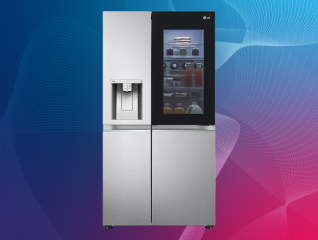


A refrigerator is an essential appliance, and any malfunction can disrupt your daily routine. If you notice inconsistent cooling, food spoiling quickly, or frost build-up, it may indicate a problem. Unusual noises, leaking water, or a faulty compressor is other warning signs that need attention. Ignoring these issues can lead to expensive repairs or even the need for a replacement.
Frequent cycling or excessive energy consumption also suggest an underlying problem. While minor issues like a loose door seal water filter replacement can be fixed easily, complex problems such as refrigerant leaks or motor failures require expert intervention. Delaying repairs can worsen the condition, making it more costly in the long run. To avoid inconvenience and maintain efficiency, it is best to call a professional when your refrigerator shows persistent problems.
Why Is my refrigerator leaking water? - Common causes explained
A leaking refrigerator is one of the most common refrigerator problems with fixes that homeowners encounter. Here are the most likely reasons your refrigerator is leaking water:
- Blocked defrost drain: The defrost drain removes water produced during the defrost cycle. When it gets blocked by food debris or ice, water has nowhere to go and starts leaking onto the floor.
- Damaged or misaligned water supply line: If your refrigerator has a water dispenser or ice maker, a loose, cracked, or misaligned water supply line is a common cause of leaking water from the back of the appliance.
- Cracked or overflowing drain pan: The drain pan sits underneath the refrigerator and collects defrost water. A cracked pan or one that is overfilling due to excessive humidity can cause visible water leakage.
- Faulty door seal: A damaged or worn door gasket allows warm air to enter the refrigerator, causing excess condensation that eventually leads to water pooling inside or around the appliance.
- Incorrect levelling: A refrigerator that is not level cannot drain condensation water properly — causing water to accumulate and leak from unexpected areas around the base of the appliance.
DIY fixes vs. professional repairs – When to decide
- Minor cooling issues: If your double door fridge is not cooling properly, check if the vents are blocked. Cleaning them can restore airflow and improve efficiency.
- Water leakage: A clogged drain tube can cause leaks. Try clearing the blockage using warm water or a pipe cleaner. If the issue persists, professional help is needed.
- Strange noises: Clicking, buzzing, or humming sounds may indicate a faulty fan or compressor. If the noise continues after basic troubleshooting, call an expert.
- Ice build-up in the freezer: Excessive frost could mean a broken defrost system. If defrosting manually does not solve the issue, seek professional repair.
- Refrigerator not turning on: Check the power supply and circuit breakers. If everything is intact but the fridge remains unresponsive, it could be an internal electrical issue requiring expert attention.
How much does refrigerator repair costs in India (July 2026)
Refrigerator repair costs in India vary depending on the type of problem, the brand, and the city you live in. Here is a practical breakdown of the most common repair costs to help you plan ahead:
- Gas refilling (refrigerant recharge): One of the most common repair jobs — typically costs between Rs. 800 and Rs. 2,500 depending on the refrigerant type and the quantity required for your specific model.
- Compressor replacement: The most expensive refrigerator repair — a new compressor can cost anywhere between Rs. 3,000 and Rs. 8,000 including labour, depending on the brand and model.
- Thermostat replacement: A faulty thermostat is a common cause of cooling issues — replacement typically costs between Rs. 500 and Rs. 1,500 including parts and labour charges.
- Door gasket replacement: A worn or damaged door seal is an affordable fix — typically costing between Rs. 300 and Rs. 800 depending on the refrigerator model and brand.
- PCB or control board repair: Electronic control board issues are more complex to fix — repair or replacement costs typically range between Rs. 1,500 and Rs. 5,000 depending on the severity of the damage.
How much do refrigerator repairs cost
- Compressor replacement: One of the most expensive repairs, costing between Rs. 5,000 for a mini fridge and Rs. 15,000 for normal sized ones, depending on the brand and model.
- Thermostat issues: Replacing a faulty thermostat can range from Rs. 1,500 to Rs. 4,000, depending on the complexity of the repair.
- Refrigerant leak: Fixing a refrigerant leak and refilling the gas can cost around Rs. 3,000 to Rs. 7,000.
- Door seal replacement: If the rubber gasket is damaged, replacing it may cost between Rs. 500 and Rs. 2,500.
- General servicing: Routine maintenance and minor fixes typically range from Rs. 1,000 to Rs. 3,000, helping prevent bigger problems in the future.
How to Choose a Reliable Refrigerator Repair Service in India
- Check experience and expertise: Opt for technicians who specialise indeep freezer and refrigerator repairs, ensuring proper diagnosis and solutions.
- Look for certified professionals: Ensure that the service provider is authorised to repair your appliance’s brand to maintain warranty validity.
- Compare service costs: Get quotes from multiple repair services to find affordable yet reliable options. Beware of extremely low prices that may indicate poor-quality work.
- Read customer reviews: Feedback from previous customers provides insights into the service quality and reliability of the repair company.
- Availability of genuine parts: Ensure that the technician uses authentic spare parts to prevent further issues and extend the lifespan of your appliance.
However, if you are looking to buy a new fridge, Bajaj Finance offers Easy EMI options on fridges and various other home appliances, electronics, and gadgets. Simply visit a partner store, choose your desired model, and convert the cost into Easy EMIs. Enjoy the flexibility of a convenient tenure of up to 60 months. This financing solution from Bajaj Finance is available on 1 million products.
Refrigerator maintenance tips to avoid frequent repairs
A little regular maintenance goes a long way in keeping your refrigerator running efficiently and avoiding expensive repair bills. Here are the most effective maintenance tips to follow:
- Clean the condenser coils regularly: Dust and debris accumulate on the condenser coils over time — cleaning them every six months with a soft brush or vacuum ensures the refrigerator runs efficiently and does not overheat.
- Check and clean the door gasket: Wipe the door seal with a damp cloth regularly and check for cracks or tears. A tight, clean door gasket prevents warm air from entering and reduces unnecessary strain on the compressor.
- Keep the refrigerator adequately stocked: An overfilled refrigerator restricts airflow and forces the compressor to work harder. An almost empty refrigerator also struggles to maintain consistent temperatures — aim for a comfortable middle ground.
- Defrost manually when needed: If your refrigerator uses direct cool technology, defrost it regularly to prevent excessive ice buildup — which reduces cooling efficiency and puts unnecessary strain on the motor over time.
- Maintain the right temperature settings: Set the refrigerator temperature between 3°C and 5°C and the freezer between -15°C and -18°C for optimal food preservation and energy-efficient operation throughout the year.
- Leave adequate space around the appliance: Ensure at least 5–10 cm of clearance on all sides of the refrigerator for proper ventilation — this prevents overheating and helps the compressor run more efficiently over the long term.
How to tell if a refrigerator thermostat is broken
A faulty thermostat is one of the most common causes of refrigerator problems with fixes. Here are the tell-tale signs that your refrigerator thermostat may need attention:
- Refrigerator is not cooling properly: If your refrigerator feels warmer than usual despite being set to the correct temperature, a broken thermostat is likely preventing the compressor from receiving the signal to cool.
- Refrigerator is overcooling or freezing food: A thermostat stuck in the on position continuously signals the compressor to run — causing the refrigerator to get too cold, freeze fresh produce, and turn liquids like milk and juice into ice unexpectedly.
- Compressor runs constantly without stopping: A functioning thermostat regulates when the compressor turns on and off. If the compressor runs non-stop without cycling off, the thermostat is likely stuck and needs to be inspected or replaced immediately.
- Compressor does not turn on at all: If the refrigerator is completely warm and the compressor shows no signs of running, the thermostat may have failed entirely,
- Temperature fluctuates unpredictably: If the temperature inside the refrigerator keeps changing without any adjustment to the settings, the thermostat is likely sending inconsistent signals to the compressor.
- Clicking or unusual sounds near the thermostat dial: Unusual clicking, buzzing, or rattling sounds near the thermostat dial when adjusting the temperature setting can indicate internal damage or wear that requires immediate inspection by a qualified technician.
Explore refrigerators on EMI with Bajaj Finance
Upgrading your home with the latest electronics and appliances is now easier and more affordable with Bajaj Finance’s flexible financing options. You can also maximise your savings by using the Maha Bachat Savings Calculator—a smart tool that combines brand offers, dealer offers, and EMI offers, all in one place, helping you lower the overall cost while still paying in small, bite-sized instalments. Follow these steps to get started:
- Explore products on Bajaj Mall: Browse a wide range of electronics and appliances from trusted brands. Compare features like energy ratings, storage capacity, performance settings, and design to choose the right product for your home.
- Visit a partner store: Once you shortlist a model, step into any of Bajaj Finance’s 1.5 lakh partner stores across 4,000 cities in India. See the product in person, talk to experts, and make a confident decision.
- Choose the Easy EMI Loan option: At checkout, select the Bajaj Finance Easy EMI Loan. Avail financing of up to Rs. 5 lakh and split the cost into convenient monthly instalments. Some products also come with a zero down payment option.
- Check your loan eligibility online: Plan better by checking your loan eligibility in minutes. Simply enter your mobile number and OTP to know your pre-approved limit.
- Use the EMI Network Card for purchases up to Rs. 3 lakh: Already own the Bajaj Finance EMI Network Card? Use it for instant, paperless checkout and convert your purchases of up to Rs. 3 lakh into Easy EMIs.