





आर्टिकल

लोकेटर

FAQs
हमारे सर्विस पोर्टल पर जाएं
निष्क्रिय अकाउंट को समझना
इन-ऑपरेटिव अकाउंट का अर्थ ऐसे बैंक अकाउंट से है जिन्होंने किसी ग्राहक द्वारा शुरू किए गए ट्रांज़ैक्शन जैसे डिपॉज़िट, निकासी या फंड ट्रांसफर को रिकॉर्ड नहीं किया है, आमतौर पर दो वर्ष. इन अकाउंट को तकनीकी रूप से ऐक्टिव माना जाता है, लेकिन लंबे समय तक निष्क्रियता के कारण इन्हें निष्क्रिय माना जाता है. भारतीय रिज़र्व बैंक (RBI) और अन्य फाइनेंशियल संस्थान ऐसे अकाउंट की पहचान करने और उन्हें मैनेज करने के स्पष्ट दिशानिर्देशों को परिभाषित करते हैं.
बैंकों को नियमित रूप से अकाउंट गतिविधि की निगरानी करनी होती है और निष्क्रियता की शर्तों को पूरा करने वाले अकाउंट को फ्लैग करना होता है. एक बार अकाउंट निष्क्रिय हो जाने के बाद, रीऐक्टिवेशन के उपाय पूरा होने तक ऑनलाइन बैंकिंग, ATM एक्सेस या फंड ट्रांसफर जैसी कुछ विशेषताएं प्रतिबंधित हो सकती हैं. अकाउंट में मौजूद राशि बरकरार रहती है और लागू ब्याज अर्जित करती है, लेकिन ट्रांज़ैक्शन की अनुमति देने से पहले अतिरिक्त जांच की आवश्यकता होती है.
निष्क्रिय अकाउंट विशिष्ट सुरक्षा और परिचालन संबंधी चुनौतियां पेश करते हैं, विशेष रूप से तब जब लंबे समय तक उनका ध्यान न रखा जाए. इसलिए, बैंकों और ग्राहकों को अकाउंट की स्थिति पर नज़र रखने और नियमित उपयोग सुनिश्चित करने के बारे में सतर्क रहना चाहिए.
अकाउंट इन-ऑपरेटिव क्यों नहीं होता?
अगर अकाउंट होल्डर द्वारा लगातार दो वर्षों तक कोई ट्रांज़ैक्शन नहीं किया जाता है, तो अकाउंट निष्क्रिय हो जाता है. योग्य ट्रांज़ैक्शन में कैश डिपॉज़िट, निकासी, फंड ट्रांसफर, चेक क्लियरेंस या ग्राहक द्वारा की गई कोई भी सेवा-आधारित गतिविधि शामिल है. हालांकि, ऑटोमेटेड एंट्री जैसे ब्याज क्रेडिट या बैंक शुल्क, ऐक्टिविटी की तरफ नहीं गिने जाते हैं.
इन-ऑपरेटिव स्टेटस सेविंग अकाउंट, करंट अकाउंट और फिक्स्ड डिपॉज़िट से जुड़े अकाउंट सहित विभिन्न प्रकार के अकाउंट पर लागू होता है. जॉइंट अकाउंट और नाबालिगों द्वारा होल्ड किए गए अकाउंट भी इस वर्गीकरण के अधीन हैं. अकाउंट होल्डर की सुरक्षा के लिए, बैंक अक्सर अकाउंट को इन-ऑपरेटिव के रूप में वर्गीकृत करने से पहले SMS, ईमेल या पोस्ट के माध्यम से रिमाइंडर भेजते हैं.
ऐसे अकाउंट को दोबारा ऐक्टिवेट करने में आमतौर पर अकाउंट होल्डर द्वारा लिखित अनुरोध सबमिट करना, KYC डॉक्यूमेंटेशन पूरा करना और कुछ मामलों में, एक छोटा ट्रांज़ैक्शन शुरू करना शामिल होता है. कुछ बैंकों को व्यक्तिगत रूप से जांच करने या वीडियो KYC प्रक्रिया की भी आवश्यकता पड़ सकती है, विशेष रूप से अगर अकाउंट लंबे समय तक निष्क्रिय रहा है.
इनऐक्टिविटी के सामान्य कारणों में निवास में बदलाव, अकाउंट की कमी (एक से अधिक अकाउंट होना), विदेश में स्थानांतरित होना या जागरूकता की कमी शामिल हैं. कुछ मामलों में, अकाउंट होल्डर को यह पता नहीं होता है कि जब तक वे सेवाओं को एक्सेस करने का प्रयास नहीं करते तब तक अकाउंट को डॉर्मेंट के रूप में चिह्नित किया गया है. इसलिए, ग्राहक को अपने सभी अकाउंट में आवधिक गतिविधि बनाए रखने और निष्क्रियता या जांच की आवश्यकता के संबंध में बैंक संचार का जवाब देने के लिए प्रोत्साहित किया जाता है
निष्क्रिय अकाउंट से जुड़े जोखिम
निष्क्रिय अकाउंट पहली बार देखने पर हानिकारक लग सकते हैं, लेकिन उनमें कई फाइनेंशियल और सुरक्षा जोखिम होते हैं. क्योंकि इन अकाउंट को अपने धारकों से नियमित ध्यान नहीं मिलता है, इसलिए वे धोखाधड़ी की गतिविधियों के लिए आसान लक्ष्य बन सकते हैं. साइबर अपराधी और आतंरिक खराब कार्यकर्ता अनधिकृत ट्रांज़ैक्शन करने या अवैध गतिविधियों को मास्क करने के लिए इन निष्क्रिय अकाउंट का उपयोग कर सकते हैं.
एक महत्वपूर्ण जोखिम पहचान की चोरी है. अगर धोखेबाज़ को अकाउंट क्रेडेंशियल या पुराने डॉक्यूमेंट का एक्सेस मिलता है, तो वे अकाउंट होल्डर की नकल कर सकते हैं और अनधिकृत बदलाव या निकासी शुरू करने का प्रयास कर सकते हैं. क्योंकि मूल मालिक अकाउंट की निगरानी नहीं कर रहा हो, इसलिए ऐसी कार्रवाई महीनों के लिए अनदेखा हो सकती है.
फाइनेंशियल धोखाधड़ी के अलावा, इन-ऑपरेटिव अकाउंट पर भी दंड लगाया जा सकता है या कम्युनिकेशन लैप्स होने के कारण महत्वपूर्ण सर्विस अपडेट खो सकते हैं. अगर यह निवेश या क्रेडिट प्रोडक्ट से लिंक है, तो इनऐक्टिविटी से ब्याज भुगतान या लोन सर्विसिंग जैसी संबंधित सेवाएं प्रभावित हो सकती हैं.
ऐसे मामलों में जहां अकाउंट बैलेंस काफी हो, संभावित दुरुपयोग के कारण जोखिम बढ़ जाता है. ऐसे खतरों को कम करने के लिए, बैंक दोबारा ऐक्टिवेट करने से पहले सख्त KYC जांच को लागू कर सकते हैं और असामान्य गतिविधि के लिए निष्क्रिय अकाउंट पर नज़र रख सकते हैं. फिर भी, ग्राहक को अपने अकाउंट को मैनेज करने और सुरक्षित करने के लिए सक्रिय रहना होगा.
धोखाधड़ी के लिए इन-ऑपरेटिव अकाउंट का दुरुपयोग कैसे किया जाता है
धोखेबाज़ अक्सर इन-ऑपरेटिव अकाउंट को सही तरीके से निशाना बनाते हैं क्योंकि उन्हें अनचेक किया जाता है. इन अकाउंट का उपयोग गैरकानूनी फंड को लेयरिंग या लॉन्डरिंग करने के लिए किया जा सकता है, जिससे वे फाइनेंशियल अपराध के लिए आदर्श एंट्री पॉइंट बन जाते हैं. अपराधी अपने अकाउंट होल्डर के लॉग-इन क्रेडेंशियल या डुप्लीकेट डॉक्यूमेंट प्राप्त करने के लिए फिशिंग ईमेल या सोशल इंजीनियरिंग रणनीतियों का उपयोग कर सकते हैं.
एक्सेस प्राप्त होने के बाद, बैंक मॉनिटरिंग सिस्टम को टेस्ट करने के लिए छोटी राशि में ट्रांज़ैक्शन शुरू किए जा सकते हैं. अगर पता नहीं है, तो बड़ी निकासी या ट्रांसफर हो सकते हैं. कुछ मामलों में, बैंकिंग स्टाफ के भीतर इंटरनल मिलीभुगत की भी रिपोर्ट की गई है, जहां निष्क्रिय अकाउंट का उपयोग अकाउंट होल्डर की जानकारी के बिना अनधिकृत ट्रांज़ैक्शन को प्रोसेस करने के लिए किया जाता है.
एक अन्य विधि में फर्जी अनुरोधों के माध्यम से मोबाइल नंबर या ईमेल एड्रेस जैसे संपर्क विवरण अपडेट करना शामिल है, जिससे धोखाधड़ी करने वालों को OTP और अलर्ट भेज दिए जाते हैं. अगर अकाउंट ऐक्टिव मोबाइल बैंकिंग से लिंक नहीं है या KYC डॉक्यूमेंट समाप्त हो गए हैं, तो बैंकों को ऐसे बदलावों की वैधता की तुरंत जांच करने में कठिनाई हो सकती है.
धोखेबाज़ नकली स्टेटमेंट जनरेट करने के लिए इन-ऑपरेटिव अकाउंट का भी दुरुपयोग कर सकते हैं या उन्हें धोखाधड़ी वाले लोन एप्लीकेशन में रेफरेंस अकाउंट के रूप में इस्तेमाल कर सकते हैं. अकाउंट होल्डर की सक्रिय निगरानी न होने से उन्हें पता लगाए बिना काम करने के लिए एक व्यापक विंडो मिलती है.
यह दुरुपयोग समय पर निगरानी, KYC अपडेट और अकाउंट रिकंसिलिएशन के महत्व को दर्शाता है-विशेष रूप से कई या विरासत वाले बैंक अकाउंट वाले व्यक्तियों के लिए.
लिंक किए गए फाइनेंशियल प्रोडक्ट पर निष्क्रिय अकाउंट का प्रभाव
अगर दो वर्षों से अधिक समय तक ग्राहक द्वारा कोई ट्रांज़ैक्शन नहीं होता है, तो अकाउंट को इन-ऑपरेटिव के रूप में वर्गीकृत किया जाता है. जब ऐसा होता है, तो डाउनस्ट्रीम के प्रभाव तुरंत आपके व्यापक फाइनेंशियल पोर्टफोलियो को बाधित करते हैं:
- ऑटो-डेबिट विफलता: आपकी बजाज फाइनेंस EMI या बीमा प्रीमियम के लिए ऑटोमेटेड NACH मैंडेट विफल हो जाएंगे, जिससे दंड शुल्क और क्रेडिट स्कोर कम हो जाएगा.
- पॉज़्ड ब्याज क्रेडिट: इनवर्ड क्लियरिंग, डिविडेंड भुगतान और लिंक किए गए निवेशों से ऑटोमेटेड ब्याज क्रेडिट ब्लॉक हो सकते हैं.
- प्रतिबंधित एक्सेस: आप अकाउंट को डिजिटल वॉलेट से लिंक नहीं कर सकते हैं, UPI ट्रांज़ैक्शन नहीं कर सकते हैं, या स्टेटस क्लियर होने तक ऑटोमेटेड क्लियरिंग प्लेटफॉर्म का उपयोग नहीं कर सकते हैं.
निष्क्रिय बैंक अकाउंट को कैसे दोबारा ऐक्टिवेट करें
- नया KYC डॉक्यूमेंट सबमिट करें: डिजिटल अनुरोध सबमिट करने के लिए अपने मोबाइल बैंकिंग ऐप में लॉग-इन करें या अनिवार्य री-वेरिफिकेशन को पूरा करने के लिए अपने PAN और आधार कार्ड के साथ अपनी शाखा में जाएं.
- पहचान की घोषणा प्रदान करें: ऐक्टिवेशन की अवधि को बताने वाले औपचारिक अकाउंट रिऐक्टिवेशन लेटर पर हस्ताक्षर करें और यह कन्फर्म करें कि आपका वर्तमान संचार पता सही है.
- ग्राहक द्वारा किया गया ट्रांज़ैक्शन करें: नया ऐक्टिव ट्रांज़ैक्शन रजिस्टर करने और ऑपरेशनल फ्रीज़ को सफलतापूर्वक हटाने के लिए नेट बैंकिंग या ATM के माध्यम से मामूली राशि डिपॉज़िट करें या निकालें.
निष्क्रिय अकाउंट में धोखाधड़ी को रोकने के लिए क्या करें
- नियमित ट्रांज़ैक्शन बनाए रखें: अपने अकाउंट को ऐक्टिव रखने के लिए वार्षिक रूप से कम से कम एक ग्राहक द्वारा किया गया ट्रांज़ैक्शन करें.
- अकाउंट स्टेटमेंट बार-बार चेक करें: अकाउंट के लिए भी स्टेटमेंट को रिव्यू करें जिसका आप कभी-कभी उपयोग करते हैं. किसी भी अज्ञात ट्रांज़ैक्शन की तलाश करें.
- डिजिटल अलर्ट सक्रिय करें: संदिग्ध गतिविधि को तेज़ी से देखने के लिए बैलेंस अपडेट, लॉग-इन और निकासी के लिए SMS और ईमेल अलर्ट ऐक्टिवेट करें.
- KYC डॉक्यूमेंट अपडेट रखें: यह सुनिश्चित करें कि आपका आधार, PAN, पता और मोबाइल नंबर बैंक में मौजूद हो.
- सुरक्षित लॉग-इन क्रेडेंशियल: अपने अकाउंट पासवर्ड, पिन या OTP किसी के साथ शेयर न करें. नियमित रूप से पासवर्ड बदलें.
- बैंक प्रश्नों के उत्तर दें: अगर आपका बैंक डॉर्मैंसी या डॉक्यूमेंट अपडेट के बारे में आपसे संपर्क करता है, तो तुरंत कार्य करें.
- उपयोग न किए गए अकाउंट बंद करें: अगर किसी अकाउंट की अब आवश्यकता नहीं है, तो इसे निष्क्रिय रखने के बजाय फॉर्मल रूप से बंद करने पर विचार करें.
- ऐक्टिव मोबाइल नंबर से लिंक करें: सुनिश्चित करें कि रियल-टाइम अलर्ट प्राप्त करने के लिए सभी अकाउंट ऐक्टिव और एक्सेस मोबाइल नंबर से लिंक हैं.
- सुरक्षित डिवाइस का उपयोग करें: केवल विश्वसनीय, वायरस-मुक्त डिवाइस से ऑनलाइन बैंकिंग में लॉग-इन करें.
- संपर्क जानकारी में बदलाव की निगरानी करें: अगर आपको अपनी कार्रवाई के बिना मोबाइल नंबर या ईमेल ID में बदलाव के बारे में अलर्ट प्राप्त होते हैं, तो तुरंत बैंक को सूचित करें.
नियमित रूप से अकाउंट गतिविधि की निगरानी करें
- मासिक अकाउंट सारांश सेट करें: हाल ही में इस्तेमाल किए गए अकाउंट के लिए भी मासिक ई-स्टेटमेंट या प्रिंटेड सारांश चुनें.
- समय-समय पर लॉग-इन करें: बैलेंस चेक करने के लिए हर कुछ महीनों में कम से कम एक बार अपनी इंटरनेट बैंकिंग या मोबाइल ऐप को एक्सेस करें.
- अकाउंट से जुड़ी सभी सेवाओं को रिव्यू करें: नियमित रूप से लिंक किए गए ऑटो-डेबिट, स्टैंडिंग इंस्ट्रक्शन और निवेश भुगतान को संभाल कर रखें.
- अनधिकृत एक्सेस चेक करें: अगर किसी भी असामान्य एक्सेस इतिहास के लिए बैंक द्वारा प्रदान किया जाता है, तो लॉग-इन लॉग को रिव्यू करें.
- कम्युनिकेशन रिकॉर्ड की जांच करें: सुनिश्चित करें कि आपके बैंक ने समाप्त या निष्क्रिय ईमेल या फोन नंबर के माध्यम से आपसे संपर्क करने का प्रयास नहीं किया है.
- ग्राहक सेवा से सक्रिय रूप से संपर्क करें: अगर आपको कोई निष्क्रिय नोटिस दिखाई देता है, तो स्पष्टता के लिए तुरंत अपनी ब्रांच में कॉल करें या जाएं.
- लॉग-इन हिस्ट्री को ट्रैक करें: अपनी नेट बैंकिंग लॉग-इन हिस्ट्री की निगरानी करें और तुरंत अज्ञात लॉग-इन की रिपोर्ट करें.
- मोबाइल बैंकिंग ऐप का सुरक्षित तरीके से उपयोग करें: हमेशा सेशन के बाद लॉग-आउट करें, और पब्लिक वाई-फाई के माध्यम से अकाउंट एक्सेस करने से बचें.
- अलर्ट की प्राथमिकताएं अपडेट करें: ऐसे अलर्ट सेटिंग चुनें जो आपको सभी ट्रांज़ैक्शन के बारे में सूचित करती हैं, न कि केवल बड़ी राशि के ट्रांज़ैक्शन.
- ATM के उपयोग की जांच करें: अगर आपका अकाउंट ATM से पैसे निकालता है, तो जांच करें कि उन्हें अधिकृत किया गया है या नहीं.
समय पर KYC विवरण अपडेट करें
- रिलोकेट करते समय अपडेटेड एड्रेस प्रूफ सबमिट करें: कम्युनिकेशन लैप्स से बचने के लिए निवास में बदलाव की जानकारी देनी चाहिए.
- समाप्त हो चुके डॉक्यूमेंट रिन्यू करें: अपने बैंक के रिकॉर्ड में आधार, PAN और पासपोर्ट की कॉपी मौजूदा और मान्य रखें.
- संपर्क जानकारी अपडेट करें: अलर्ट से बचने के लिए अपना लेटेस्ट मोबाइल नंबर और ईमेल ID प्रदान करें.
- सबमिट करने के बाद डॉक्यूमेंट अपलोड करें: कन्फर्म करें कि आपके ऑनलाइन KYC सबमिशन प्राप्त हो गए हैं और स्वीकृत हो गए हैं.
- समय-समय पर KYC की स्थिति चेक करें: बैंक के ऐप या पोर्टल का उपयोग करके कन्फर्म करें कि आपकी KYC अप-टू-डेट है.
बैंक संचार का तुरंत जवाब दें
- KYC रिमाइंडर मैसेज को अनदेखा न करें: KYC रिन्यूअल या पते के कन्फर्मेशन के लिए रिमाइंडर को उच्च प्राथमिकता के रूप में इस्तेमाल करें.
- भेजण वाले के विवरण की जांच करें: ऐसे सुनिश्चित करें कि ईमेल और SMS मैसेज वास्तव में आपके बैंक से आए हों.
- अगर अकाउंट का उपयोग कभी-कभी किया जाता है तो भी प्रतिक्रिया दें: कम गतिविधि आपको अनुपालन से छूट नहीं देती है. सभी आधिकारिक बैंक संचार का जवाब दें.
- स्पष्ट अनुरोध: अगर आपको स्पष्ट मैसेज या कॉल प्राप्त होते हैं, तो कन्फर्म करने के लिए सीधे अपने बैंक से संपर्क करें.
- ऑफिशियल कॉन्टैक्ट चैनल का उपयोग करें: शंदिग्ध ईमेल या थर्ड-पार्टी मैसेज का जवाब देने से बचें. सत्यापित बैंक नंबर और वेबसाइट का उपयोग करें.
धोखाधड़ी से बचने के लिए क्या न करें
- थर्ड पार्टी के साथ अकाउंट एक्सेस शेयर न करें: अगर कोई अकाउंट निष्क्रिय है, तो भी क्रेडेंशियल शेयर करने से दुरुपयोग हो सकता है.
- इनऐक्टिविटी अलर्ट को अनदेखा न करें: ये जल्दी चेतावनी होती हैं जो सुस्तता और धोखाधड़ी को रोकने में मदद कर सकती हैं.
- पब्लिक डिवाइस से लॉग-इन करने से बचें: पब्लिक कंप्यूटर आपके लॉग-इन विवरण को स्टोर कर सकते हैं, जिससे आपके अकाउंट का दुरुपयोग हो सकता है.
- KYC अपडेट में देरी न करें: अपडेटेड KYC सबमिट करने में देरी के परिणामस्वरूप सेवा प्रतिबंध हो सकते हैं.
- मान लें कि निष्क्रिय अकाउंट सुरक्षित हैं: इनऐक्टिविटी सुरक्षा की गारंटी नहीं देती है; नियमित निगरानी आवश्यक है.
- रीऐक्टिवेशन को पोस्टपोन न करें: अगर आपको डॉर्मैंसी अलर्ट मिलता है, तो अकाउंट को वेरिफाई करने और अपडेट करने के लिए तुरंत कार्य करें.
- अपने बैंक ईमेल को न हटाएं: अधिकृत संचार में अकाउंट की स्थिति या बदलाव के बारे में महत्वपूर्ण अलर्ट हो सकते हैं.
- कम पासवर्ड का उपयोग न करें: सरल या दोबारा इस्तेमाल किए गए पासवर्ड असुरक्षित हैं. जटिल और यूनीक लॉग-इन क्रेडेंशियल का उपयोग करें.
- उपयोग न किए गए अकाउंट में उच्च बैलेंस छोड़ने से बचें: जोखिम को कम करने के लिए अतिरिक्त फंड को ऐक्टिव अकाउंट या निवेश में ट्रांसफर करें.
- जॉइंट अकाउंट की सुरक्षा न मानें: जॉइंट अकाउंट की निगरानी की भी आवश्यकता होती है; एक होल्डर द्वारा की गई गतिविधि से जोखिम नहीं छूट मिलती है.
बैंक नोटिफिकेशन को अनदेखा करें
- डॉर्मेंसी अलर्ट को स्पैम के रूप में न मानें: निष्क्रियता या वेरिफिकेशन के बारे में मैसेज वैध हैं और ध्यान देने की आवश्यकता होती है.
- KYC की समाप्ति की चेतावनी को छोड़ने से बचें: प्रतिक्रिया देने में विफलता से प्रतिबंध या अकाउंट बंद हो सकता है.
- OTP डिलीवरी विफलता को कभी न भूलें: मिस्ड OTP संपर्क जानकारी में अनधिकृत बदलाव का संकेत दे सकते हैं.
- नियामक अपडेट चूकने से बचें: बैंक निष्क्रिय अकाउंट को प्रभावित करने वाली नियम, शुल्क या डिजिटल पॉलिसी में बदलाव भेज सकते हैं.
- मान लें कि SMS अलर्ट गैर-महत्वपूर्ण हैं: बैलेंस मैसेज में भी अकाउंट छेड़छाड़ के लक्षण हो सकते हैं.
सत्यापित नहीं किए गए स्रोतों के साथ अकाउंट का विवरण शेयर करें
- ईमेल या फोन के माध्यम से लॉग-इन क्रेडेंशियल कभी भी शेयर न करें: बैंक कभी भी इन विवरणों की मांग नहीं करते हैं; अवांछित अनुरोधों से बचें.
- अज्ञात वेबसाइट पर पर्सनल विवरण प्रदान न करें: संवेदनशील जानकारी दर्ज करने से पहले हमेशा डोमेन चेक करें.
- सोशल मीडिया डिस्क्लोज़र से बचें: अकाउंट से संबंधित विवरण या स्क्रीनशॉट का सार्वजनिक रूप से उल्लेख न करें.
- बैंक जानकारी मांगने वाले अज्ञात कॉल को अस्वीकार करें: जब तक आपने कॉल शुरू नहीं किया है, तब तक विवरण प्रकट न करें.
- जांच के लिए थर्ड-पार्टी एजेंट का उपयोग न करें: शाखा में जाएं या KYC या अपडेट के लिए आधिकारिक डिजिटल प्लेटफॉर्म का उपयोग करें.
निष्क्रिय अकाउंट को दोबारा ऐक्टिवेट करने में देरी
- एक बार सूचित होने के बाद रीऐक्टिवेशन को स्थगित न करें: देरी होने पर, अनधिकृत गतिविधि का जोखिम अधिक होता है.
- बैंक रीऐक्टिवेशन के निर्देशों को अनदेखा करने से बचें: पूरे एक्सेस को रीस्टोर करने और अकाउंट पर प्रतिबंधों से बचने के लिए इन्हें आवश्यक होता है.
- मान लें कि इनऐक्टिव अकाउंट को धोखाधड़ी से छूट दी गई है: अगर चेक नहीं किया जाता है, तो डॉर्मेंट स्टेटस जोखिम बढ़ा सकता है.
- रीऐक्टिवेशन में देरी से अन्य सेवाओं पर असर पड़ सकता है: निवेश या EMI भुगतान से जुड़े निष्क्रिय अकाउंट सेवाओं को बाधित कर सकते हैं.
- अगर आवश्यक हो तो शाखा में जाना न भूलें: अगर ऑनलाइन रीऐक्टिवेशन संभव नहीं है, तो सलाह के अनुसार ऑफलाइन प्रोसेस पूरा करें.
निष्क्रिय अकाउंट पर कानूनी प्रभाव
अगर सही तरीके से मैनेज नहीं किया जाता है, तो इन-ऑपरेटिव अकाउंट पर कानूनी परिणाम हो सकते हैं. उदाहरण के लिए, अगर लापरवाही के कारण निष्क्रिय अकाउंट में धोखाधड़ी की गतिविधि पाई जाती है, तो अकाउंट होल्डर को अपनी फाइनेंशियल जानकारी प्राप्त करने में विफल रहने के लिए जांच का सामना करना पड़ सकता है. इसके अलावा, एंटी-मनी लॉन्डरिंग (AML) विनियमों के तहत अतिरिक्त जांच के लिए निष्क्रिय अकाउंट को चिह्नित किया जा सकता है.
बैंकों को नियामक को निष्क्रिय अकाउंट की रिपोर्ट करनी होगी और बकाया राशि को एक निर्धारित सरकारी फंड में ट्रांसफर करने के लिए बाध्य किया जा सकता है, विशेष रूप से अगर अकाउंट दस वर्षों से अधिक समय तक क्लेम नहीं किया जाता है. ऐसे फंड को दोबारा क्लेम करने के लिए, अकाउंट होल्डर को औपचारिक जांच प्रोसेस से गुजरना होगा.
निष्क्रिय अकाउंट में KYC अपडेट करने में विफलता के परिणामस्वरूप ऐसे प्रतिबंध भी हो सकते हैं जो लोन या निवेश जैसी अन्य लिंक किए गए फाइनेंशियल सेवाओं तक पहुंच को बाधित करते हैं. कुछ मामलों में, अगर निष्क्रिय अकाउंट का उपयोग गैरकानूनी ट्रांज़ैक्शन के लिए किया जाता है, तो अनजाने में भी, धारक को लागू फाइनेंशियल कानूनों के तहत जवाबदेह ठहराया जा सकता है.
इसलिए, अकाउंट को ऐक्टिव रखना और नियमों का पालन करना न केवल सुविधा का मामला है बल्कि कानूनी सुरक्षा भी है.
ग्राहक जागरूकता कार्यक्रम
फाइनेंशियल संस्थान और नियामक निकाय निष्क्रिय अकाउंट के जोखिमों और धोखाधड़ी को रोकने के लिए आवश्यक चरणों के बारे में व्यक्तियों को शिक्षित करने के लिए ग्राहक जागरूकता कार्यक्रम चलाते हैं. इन पहलों में अक्सर SMS अलर्ट, ईमेल कैम्पेन, वेबसाइट अपडेट और शाखा से संपर्क गतिविधियां शामिल होती हैं.
बैंक यह सुनिश्चित करने के लिए KYC ड्राइव और इन-ऐप रिमाइंडर का संचालन करते हैं कि यूज़र समय पर अपना विवरण अपडेट करते हैं. कुछ संस्थान वेबिनार होस्ट करते हैं, शैक्षिक ब्रोशर वितरित करते हैं, या निष्क्रिय अकाउंट जोखिमों को हाइलाइट करने वाले अकाउंट डैशबोर्ड में चेतावनी बैनर शामिल करते हैं.
RBI जैसे नियामक निकाय भी इनऐक्टिव अकाउंट को मैनेज करने के बारे में ग्राहक को समझने में मदद करने के लिए सार्वजनिक सलाह और दिशानिर्देश जारी करते हैं. इनमें फिशिंग मैसेज को पहचानना, अकाउंट गतिविधि की जांच करना और संदिग्ध व्यवहार की रिपोर्ट करना शामिल है.
जागरूकता कार्यक्रम ज्ञान के अंतर को कम करके और जिम्मेदार अकाउंट मैनेजमेंट को प्रोत्साहित करके धोखाधड़ी की रोकथाम में महत्वपूर्ण भूमिका निभाते हैं. ग्राहक को सलाह दी जाती है कि वे इन कार्यक्रमों के साथ सक्रिय रूप से जुड़ें और अपने बैंकों द्वारा सुझाए गए रोकथाम के उपाय करें.
निष्कर्ष
निष्क्रिय अकाउंट हानिकारक लग सकते हैं, लेकिन अगर इनका ध्यान नहीं रखा जाता है, तो वे महत्वपूर्ण फाइनेंशियल और कानूनी जोखिम पैदा करते हैं. नियमित निगरानी की अनुपस्थिति के कारण निष्क्रिय अकाउंट अक्सर अनधिकृत एक्सेस, पहचान की चोरी और दुरुपयोग के लिए संवेदनशील होते हैं. समय-समय पर गतिविधि बनाए रखना, KYC विवरण अपडेट करना और बैंक संचार का तुरंत जवाब देना जैसे सक्रिय उपाय धोखाधड़ी के जोखिम को काफी कम कर सकते हैं.
बैंकों और नियामक प्राधिकरणों ने ग्राहकों को अपने निष्क्रिय अकाउंट को सुरक्षित रखने में मदद करने के लिए संरचित प्रोटोकॉल लागू किए हैं. इनमें जांच के तरीके, रियल-टाइम अलर्ट और सुरक्षित डिजिटल प्लेटफॉर्म शामिल हैं. हालांकि, प्राथमिक जिम्मेदारी अकाउंट होल्डर के पास है कि वे अपने अकाउंट को ऐक्टिव या अन्यथा सुरक्षित, अनुपालन करते हैं और नियमित रूप से रिव्यू करते हैं.
इन-ऑपरेटिव अकाउंट से जुड़े जोखिमों और जिम्मेदारियों को समझने से व्यक्तियों को अपने फाइनेंस को अधिक सुरक्षित रूप से और अधिक जागरूकता के साथ मैनेज करने में मदद मिलती है.
संबंधित वीडियो
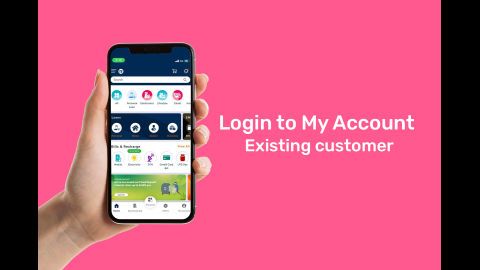
अगर आप मौजूदा ग्राहक हैं, तो माय अकाउंट में लॉग-इन कैसे करें
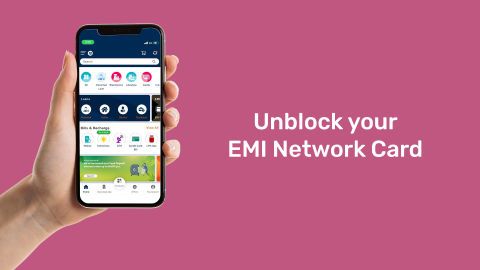
अपने EMI कार्ड को अनब्लॉक कैसे करें
अपना EMI कार्ड कैसे ब्लॉक करें
Insta EMI Card - एक ओवरव्यू
आपकी नज़दीकी शाखा नहीं है?

सामान्य प्रश्न
इन-ऑपरेटिव बेसिक
धोखाधड़ी के जोखिम
रोकथाम के चरण
री-ऐक्टिवेशन और सपोर्ट
इन-ऑपरेटिव अकाउंट वह अकाउंट है जिसने किसी भी ग्राहक को दो वर्षों के लिए ‐ द्वारा ट्रांज़ैक्शन नहीं देखा है. यह ऐक्टिव रहता है लेकिन दोबारा ऐक्टिवेट होने तक इसमें सेवाएं सीमित हो सकती हैं.
डिपॉज़िट, निकासी, चेक क्लियरिंग या ऑनलाइन ट्रांसफर जैसी गतिविधियों को ऐक्टिविटी माना जाता है. ब्याज क्रेडिट जैसी ऑटोमेटेड एंट्री डॉर्नेंसी को नहीं रोकती हैं.
बैंक ग्राहक की सुरक्षा के लिए लॉन्ग ‐ इनऐक्टिव अकाउंट को फ्लैग करने के लिए नियामक दिशानिर्देशों का पालन करते हैं. यह दुरुपयोग को रोकने में मदद करता है और आवश्यकता पड़ने पर अपडेटेड वेरिफिकेशन सुनिश्चित करता है.
हां. आपका बैलेंस और ब्याज बना रहता है. हालांकि, KYC या दोबारा ऐक्टिवेट करने के चरण पूरा होने तक कुछ अकाउंट फीचर लॉक रह सकते हैं.
क्योंकि ग्राहकों द्वारा उनकी कभी-कभी निगरानी की जाती है, इसलिए धोखेबाज़ फिशिंग, फर्जी अनुरोध या अनधिकृत संपर्क ‐ विवरण बदलाव के माध्यम से उन्हें एक्सेस करने की कोशिश कर सकते हैं.
अगर पुराने डॉक्यूमेंट या पुराने संपर्क विवरण का दुरुपयोग किया जाता है, तो कोई व्यक्ति अकाउंट होल्डर का रूप धारण कर सकता है. इससे अनजान ट्रांज़ैक्शन का जोखिम बढ़ जाता है.
हां. अगर नियमित रूप से निगरानी नहीं की जाती है, तो डॉरमेंट अकाउंट का उपयोग छोटे अनधिकृत ट्रांसफर को टेस्ट करने या बड़े फंड मूवमेंट को मास्क करने के लिए किया जा सकता है.
वे फर्जी अनुरोधों का उपयोग करके मोबाइल नंबर या ईमेल ID अपडेट करने का प्रयास कर सकते हैं. अलर्ट को रीडायरेक्ट करने के बाद, अनधिकृत गतिविधि का पता लगाना मुश्किल हो जाता है.
KYC अपडेट रखना, डिजिटल अलर्ट सक्षम करना और नियमित रूप से स्टेटमेंट चेक करने से समस्याओं का जल्दी पता लगाने में मदद मिलती है. आवधिक लॉग-इन भी अकाउंट की निगरानी में सुधार करते हैं.
हां. कम से कम एक छोटे ग्राहक ‐ द्वारा किया गया ट्रांज़ैक्शन करने से आपके अकाउंट को ऐक्टिव रखने और दुरुपयोग की संभावना कम हो जाती है.
SMS और ईमेल अलर्ट आपको ट्रांज़ैक्शन या अकाउंट में बदलाव के बारे में सूचित करते हैं. अगर कोई आपके अकाउंट को एक्सेस या संशोधित करने की कोशिश करता है, तो वे पहले की चेतावनी के रूप में कार्य करते हैं.
बिल्कुल. पुराने नंबर और ईमेल ID से महत्वपूर्ण अलर्ट खोने का जोखिम बढ़ जाता है. अपडेट की गई जानकारी आपके बैंक से समय पर संचार सुनिश्चित करती है.
आपको अनुरोध सबमिट करने, KYC डॉक्यूमेंट अपडेट करने और एक छोटा ट्रांज़ैक्शन पूरा करने की आवश्यकता हो सकती है. कुछ बैंकों को ‐ व्यक्ति या वीडियो जांच की आवश्यकता पड़ सकती है.
आधिकारिक चैनलों के माध्यम से तुरंत अपने बैंक से संपर्क करें. जल्दी रिपोर्ट करने से अधिक दुरुपयोग को रोकने में मदद मिलती है और यह सुनिश्चित होता है कि सुधारात्मक कदम तेज़ी से उठाए जाएं.
अगर किसी अकाउंट की अब आवश्यकता नहीं है, तो इसे बंद करने से मेंटेनेंस जोखिम कम हो जाते हैं. यह लंबे ‐ टर्म निष्क्रियता के कारण संभावित दुरुपयोग को भी रोकता है.
हां. अगर अनधिकृत गतिविधियों के लिए इस्तेमाल किया जाता है, तो अनटेंडेड अकाउंट जांच कर सकती है. KYC का अनुपालन करने और अपने अकाउंट की निगरानी करने से ऐसी समस्याओं से बचने में मदद मिलती है.