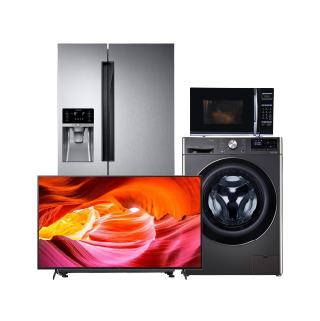
A 180-litre fridge strikes the ideal balance of space and efficiency for smaller households or compact kitchens. And, with Bajaj Finance’s Easy EMIs, buying one has become more affordable than ever. Check your loan eligibility for the purchase of a 180-litre fridge, and convert its repayment into manageable and hassle-free Easy EMIs. Whether you are a single professional or a couple, a 180-litre fridge offers enough room to store your essentials while maintaining energy efficiency. The 180-litre fridge’s price varies depending on features like energy ratings, brand, and design, but it provides great value for its size. Explore the details and prices of similar products on the Bajaj Mall or visit one of 1.5 lakh+ partner stores across 4,000+ cities in India. Shop with Bajaj Finance’s Easy EMIs, offering benefits like zero down payment and free home delivery on select products. Take home your favourite refrigerator on loan, repay it in Easy EMIs, and enjoy a hassle-free shopping experience.
Frequently Asked Questions
180-litre refrigerators are available in different configurations to suit varying household requirements. Common options include single-door direct-cool models and selected frost-free refrigerators. Single-door models can provide compact storage for smaller households, while frost-free options offer automatic defrosting and convenient cooling. Depending on the model, you may also find features such as inverter compressors, adjustable shelves, toughened glass shelves, vegetable drawers, and stabiliser-free operation.
The electricity consumption of an 180-litre fridge depends on its energy rating, compressor technology, usage pattern, ambient temperature, and cooling settings. A higher BEE star rating generally indicates better energy efficiency under standard testing conditions. Instead of estimating consumption only from capacity, check the annual energy consumption shown on the refrigerator's energy label. Keeping the door closed properly and avoiding excessive loading can also support efficient operation.
Before buying an 180-litre fridge, check its capacity, dimensions, energy rating, compressor type, cooling system, storage layout, and warranty. Consider whether the refrigerator provides enough freezer and fresh-food space for your household. Also measure your kitchen area and account for ventilation and door-opening clearance. Features such as toughened glass shelves, vegetable drawers, inverter technology, and stabiliser-free operation can be compared according to your requirements.
The dimensions of an 180-litre refrigerator vary by brand, model, door design, and internal configuration. There is no single standard width, height, or depth for this capacity. Before purchasing, check the manufacturer's listed dimensions and measure the available installation space. Also leave suitable clearance around the refrigerator for ventilation and ensure there is enough room to open the door fully. This helps prevent installation and accessibility issues.
Regular maintenance can help an 180-litre fridge maintain effective cooling and hygienic storage. Clean shelves and drawers regularly, wipe spills promptly, and check the door gasket for dirt or damage. Avoid overloading the refrigerator or blocking internal air vents. Clean accessible condenser areas when recommended by the manufacturer. Maintain suitable temperature settings and allow cooked food to cool appropriately before storage. Always follow the model's care instructions.
A 180-litre refrigerator typically uses around 0.5 to 1.2 kWh of electricity per day, depending on its star rating, compressor type, usage and room temperature. Annual consumption may range from about 180 to 440 kWh. Check the appliance energy label for the most accurate model-specific yearly consumption figure.
Direct-cool refrigerators use natural air circulation and may require manual defrosting when ice builds up. They are usually simpler and more budget-friendly. Frost-free refrigerators use fans to circulate cool air evenly and prevent ice buildup automatically. They generally offer greater convenience but may consume slightly more electricity and cost more.
{
"@context": "https://schema.org",
"@type": "FAQPage",
"mainEntity": [
{
"@type": "Question",
"name": "What types of 180-litre fridges are available?",
"acceptedAnswer": {
"@type": "Answer",
"text": "180-litre refrigerators are available in different configurations to suit varying household requirements. Common options include single-door direct-cool models and selected frost-free refrigerators. Single-door models can provide compact storage for smaller households, while frost-free options offer automatic defrosting and convenient cooling. Depending on the model, you may also find features such as inverter compressors, adjustable shelves, toughened glass shelves, vegetable drawers, and stabiliser-free operation."
}
},
{
"@type": "Question",
"name": "How much electricity does an 180-litre fridge consume?",
"acceptedAnswer": {
"@type": "Answer",
"text": "The electricity consumption of an 180-litre fridge depends on its energy rating, compressor technology, usage pattern, ambient temperature, and cooling settings. A higher BEE star rating generally indicates better energy efficiency under standard testing conditions. Instead of estimating consumption only from capacity, check the annual energy consumption shown on the refrigerator's energy label. Keeping the door closed properly and avoiding excessive loading can also support efficient operation."
}
},
{
"@type": "Question",
"name": "What should I check before buying an 180-litre fridge?",
"acceptedAnswer": {
"@type": "Answer",
"text": "Before buying an 180-litre fridge, check its capacity, dimensions, energy rating, compressor type, cooling system, storage layout, and warranty. Consider whether the refrigerator provides enough freezer and fresh-food space for your household. Also measure your kitchen area and account for ventilation and door-opening clearance. Features such as toughened glass shelves, vegetable drawers, inverter technology, and stabiliser-free operation can be compared according to your requirements."
}
},
{
"@type": "Question",
"name": "What are the dimensions of an 180-litre refrigerator?",
"acceptedAnswer": {
"@type": "Answer",
"text": "The dimensions of an 180-litre refrigerator vary by brand, model, door design, and internal configuration. There is no single standard width, height, or depth for this capacity. Before purchasing, check the manufacturer's listed dimensions and measure the available installation space. Also leave suitable clearance around the refrigerator for ventilation and ensure there is enough room to open the door fully. This helps prevent installation and accessibility issues."
}
},
{
"@type": "Question",
"name": "How can I maintain an 180-litre fridge?",
"acceptedAnswer": {
"@type": "Answer",
"text": "Regular maintenance can help an 180-litre fridge maintain effective cooling and hygienic storage. Clean shelves and drawers regularly, wipe spills promptly, and check the door gasket for dirt or damage. Avoid overloading the refrigerator or blocking internal air vents. Clean accessible condenser areas when recommended by the manufacturer. Maintain suitable temperature settings and allow cooked food to cool appropriately before storage. Always follow the model's care instructions."
}
},
{
"@type": "Question",
"name": "How much electricity does a 180-litre refrigerator consume?",
"acceptedAnswer": {
"@type": "Answer",
"text": "A 180-litre refrigerator typically uses around 0.5 to 1.2 kWh of electricity per day, depending on its star rating, compressor type, usage and room temperature. Annual consumption may range from about 180 to 440 kWh. Check the appliance energy label for the most accurate model-specific yearly consumption figure."
}
},
{
"@type": "Question",
"name": "What is the difference between direct-cool and frost-free refrigerators?",
"acceptedAnswer": {
"@type": "Answer",
"text": "Direct-cool refrigerators use natural air circulation and may require manual defrosting when ice builds up. They are usually simpler and more budget-friendly. Frost-free refrigerators use fans to circulate cool air evenly and prevent ice buildup automatically. They generally offer greater convenience but may consume slightly more electricity and cost more."
}
}
]}