







Corporate Social Responsibility
Social Impact: A Legacy
of Transforming Lives

It is not kingdom I desire, nor heaven, nor even salvation. What I desire is the eradication of the sorrows of all living beings who are suffering.”
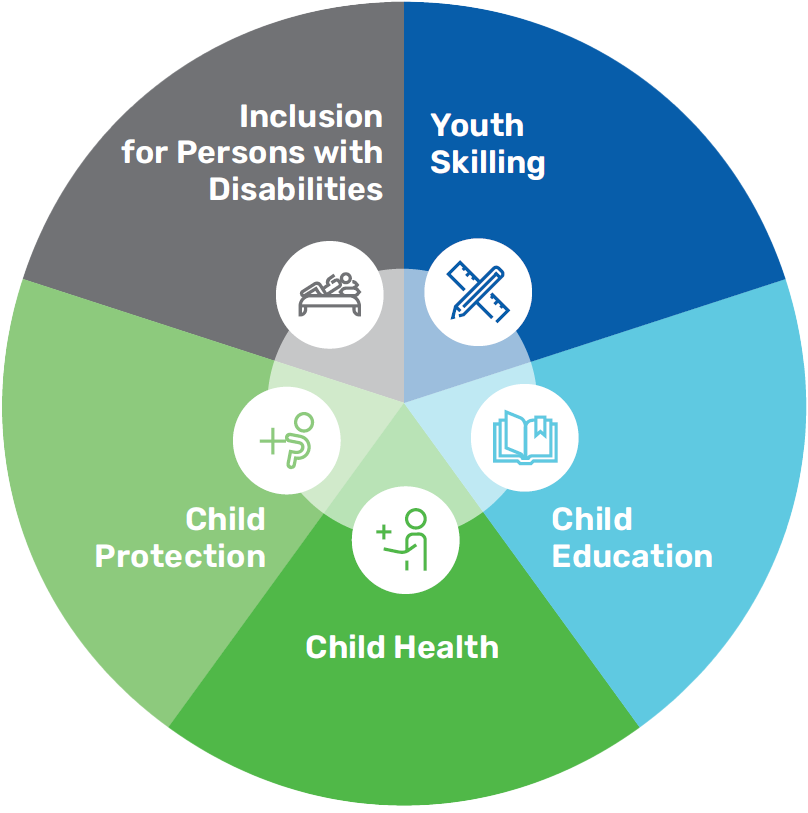
– Jamnalal BajajThe Five Pillars of our CSR Commitment

Youth Skilling
SKILLSERV, BFL's flagship skilling initiative, prepares the youth for careers in the financial services sector. Co-created with Bajaj Finserv’s business teams, the programme combines industry-relevant curriculum, practical skills, and workplace exposure. Recognised as an Awarding and Assessing Body by NCVET, SKILLSERV stands among a select group of high-quality, industry-led skill development programmes.
In FY2026, Skillserv trained 50,475 students through its self-implemented programmes, with 45,389 enrolled in its flagship Certificate Programme in Banking, Finance and Insurance (CPBFI).
This is a widely implemented flagship programme that builds foundation and teaches students about the fundamentals of BFSI. A 120-hour module is designed to equip youth with the knowledge and skills that make them industry-ready. CPBFI participants are mostly first-generation graduates, primarily young aspirants from Tier 2 and Tier 3 cities.
The Skillserv Centre-based Model is co-created by Bajaj business teams to provide comprehensive skill development and employment opportunities to the youth by leveraging independent training centres.
- Microfinance Training Programme: This 180-hour course prepares individuals to work in microfinance institutions that provide loans and savings services to self-help groups (SHGs) and low-income customers. The individuals are trained to manage field operations and sales, group meetings and collections and build trust with rural communities.
- Gold Loan Training Programme: This 180-hour course is designed specifically for graduates seeking entry-level roles. The programme provides practical expertise in gold valuation, purity assessment and safe handling techniques.
- Housing Finance and Upcoming Programmes: This 150-hour course is designed specifically for graduates seeking entry-level roles. The programme provides practical expertise in customer profiling, comprehensive loan documentation and professional workplace communication.
The initiative trains individuals seeking new income opportunities by providing comprehensive knowledge of general insurance through a three-day intensive programme. Individuals above 18 years of age who have completed the 10th grade can enrol, even without any prior background.
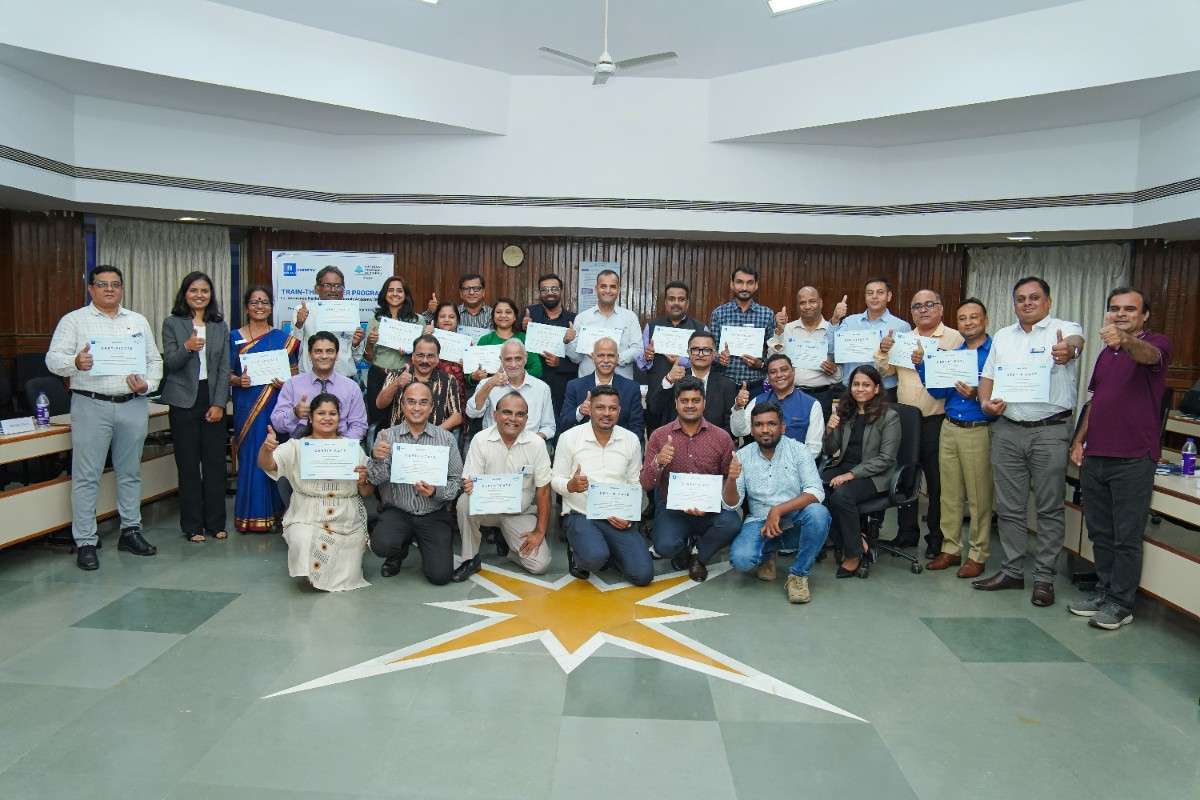
Apart from the specific certificate programmes, the Skillserv Leap Internship was piloted this year, an on-the-job training initiative that bridges the gap between academia and the financial services industry.
Corporate Social Responsibility
The projects are implemented in collaboration with multiple non-profit organisations to offer a comprehensive range of training and skilling programmes aimed at employment, enterprise development, entrepreneurship and fellowship. The initiative encompasses vocational training, job readiness, healthcare skill development, skilling for Persons with Disabilities, incubation support, as well as scholarship and fellowship programmes.
It focuses on providing specific and diverse training and skilling programmes across varied models to help bridge the employment gap and help the participants generate a steady income.
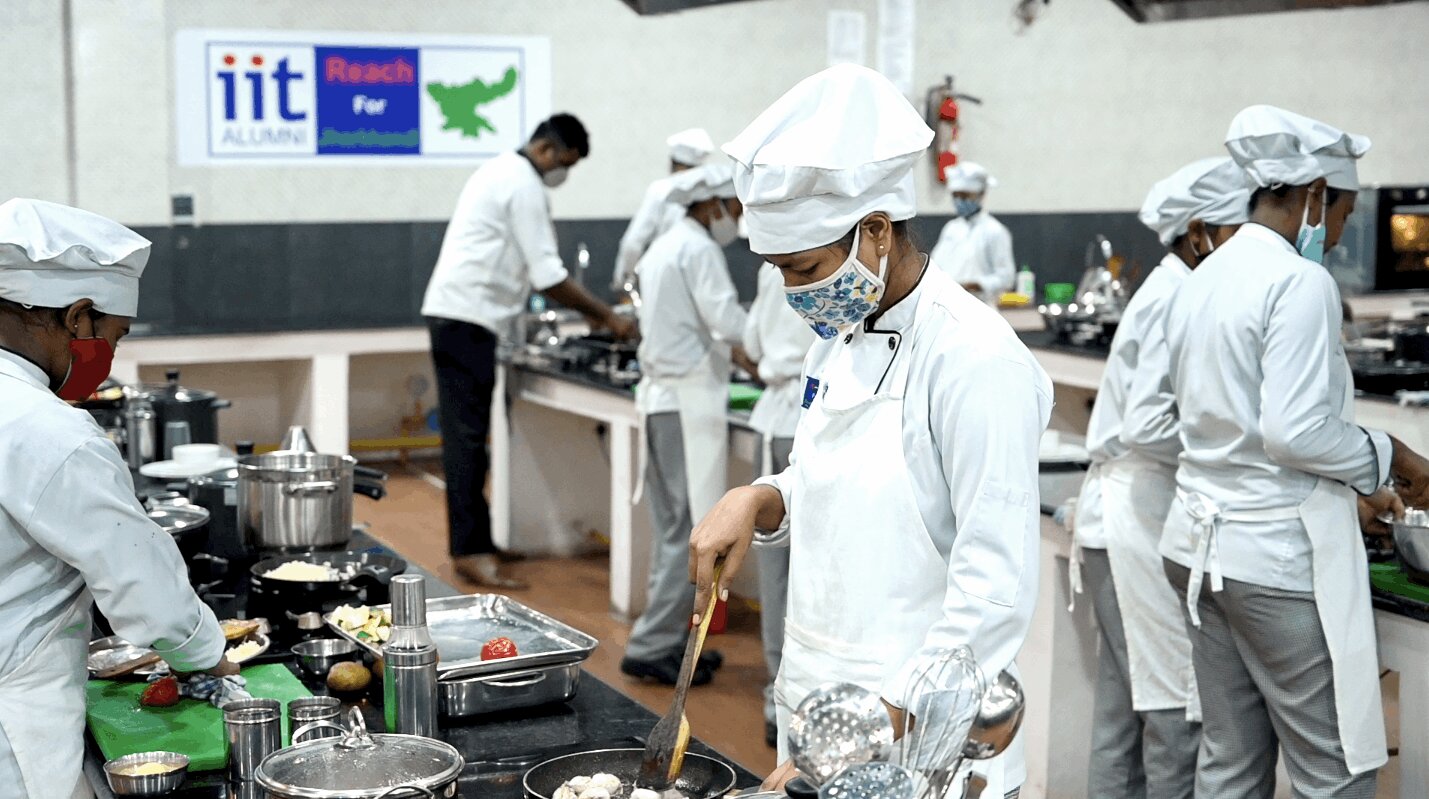
PanIIT’s programme aims to bridge the skill and employability gap among underserved youth by providing industry-aligned vocational training in trades such as culinary, manufacturing and caregiving. Focused on Scheduled Tribes, Scheduled Castes, Backward Castes and minority communities in low HDI regions, the initiative creates sustainable livelihood opportunities and improved socio-economic outcomes through skilling and placement support.
Sanjana Kamal, a young tribal woman from Jharkhand, is one such beneficiary whose life transformed through the initiative. Coming from a low-income farming household, she pursued culinary training at Ranchi Kaushal College with support from Bajaj and secured employment in Bengaluru's hospitality sector, significantly improving her family's financial stability and living conditions.
Her journey reflects the transformative impact of skill development and opportunity creation for underserved communities. Today, nearly 240 women like Sanjana are benefitting from the programme, building pathways towards economic independence and long-term social mobility supported by Bajaj Finance.
It focuses on strengthening the local economy by incubating micro-enterprises and supporting individual entrepreneurs. It is done through ecosystem strengthening, direct enterprise support, incubation programmes, need-based entrepreneurship and returnable grants.
Over 122,895 individuals are being supported through self-employment and entrepreneurship initiatives.
Women’s economic participation receives comparable attention. Through partnerships, including Mann Deshi Foundation’s Deshi Udyojika programme, 5,040 women entrepreneurs received training in business management, financial literacy and market linkage.
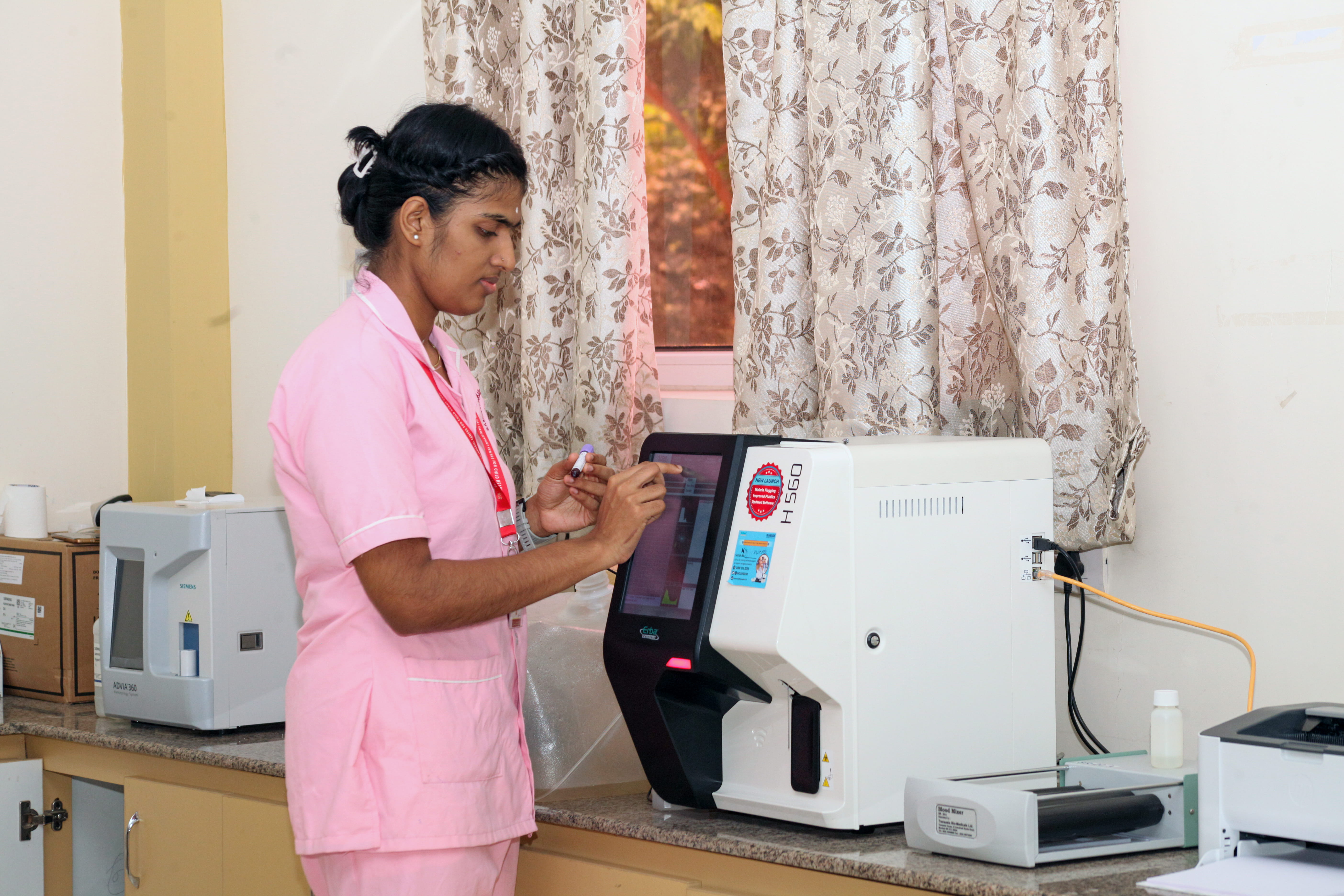
In the healthcare domain, BFL supports strengthening the medical ecosystem by enhancing the capacity of frontline professionals. Through targeted skilling initiatives and specialised fellowships, the Company builds a robust workforce of nurses, paramedics and technical staff equipped to deliver high-quality clinical and preventive care.
BFL facilitates the holistic development of Persons with Disabilities (PwDs), including those with intellectual and developmental challenges, by shifting focus from basic skilling to meaningful workforce participation. As an ecosystem enabler, BFL promotes the fostering of inclusive employment, entrepreneurship and advanced career progression. It enhances vocational skills through training tailored to individual needs, specifically targeting pre-vocation, access to employment, the service industry, enterprise and advanced career progression.
Persons with Disabilities (PwDs) often face limited access to skill development, workplace opportunities and guidance, restricting their ability to secure stable employment.
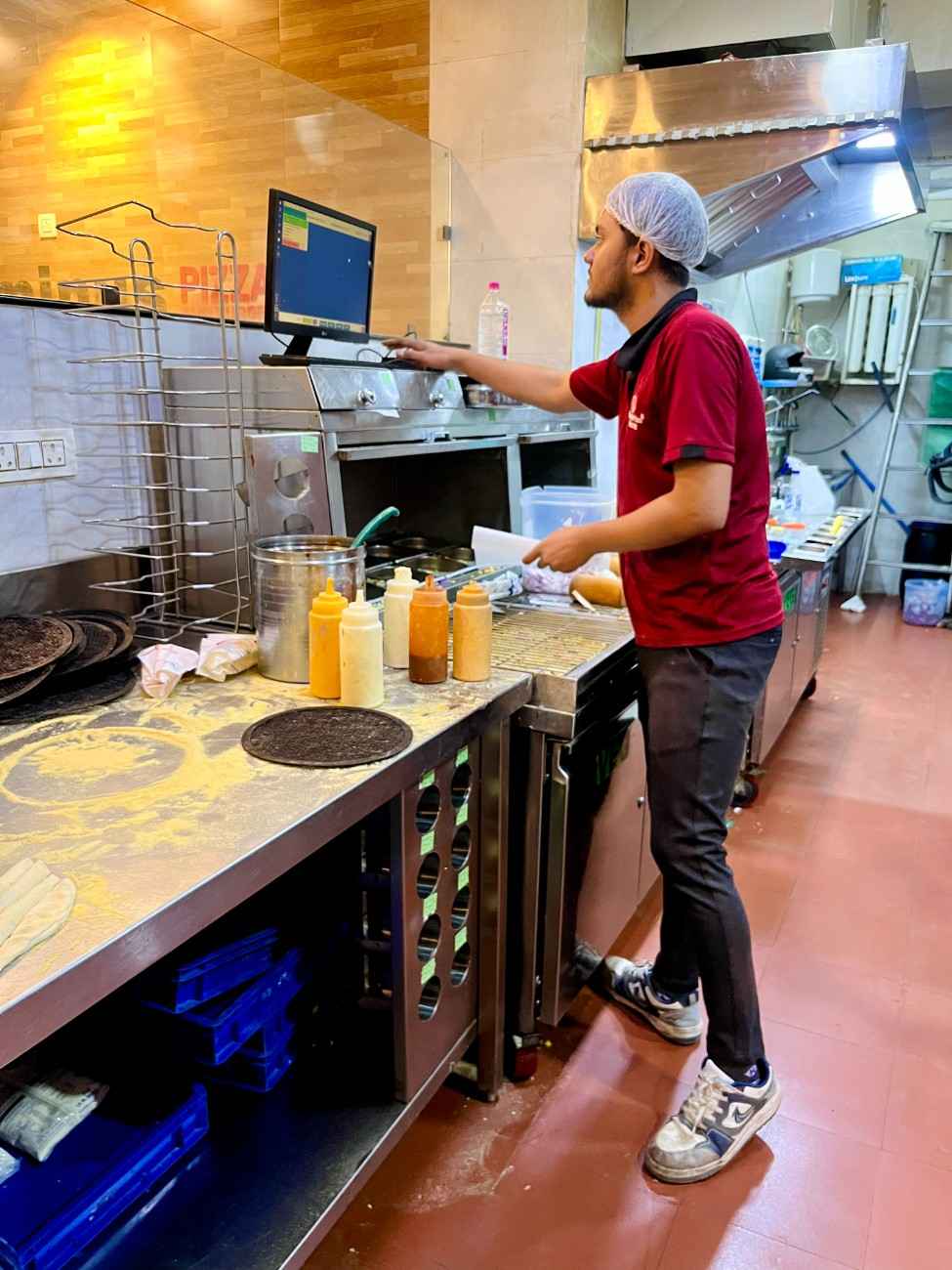
To address this, Youth4Jobs Foundation, in partnership with Bajaj Finance, provides targeted skilling, communication training, and placement support to enable inclusive employment. Through this initiative, 7,920 youth with disabilities have been trained and placed in jobs, improving financial independence and livelihoods.
Hitansh Gehlot’s journey reflects this impact. A 22-year-old with 100% hearing impairment from Ajmer, he faced financial challenges after his family’s business closure. Through structured training and placement support, he secured a role as an Assistant Team Member at TAKSHARYA Food Works, earning a stable income with added benefits.
Corporate Social Responsibility
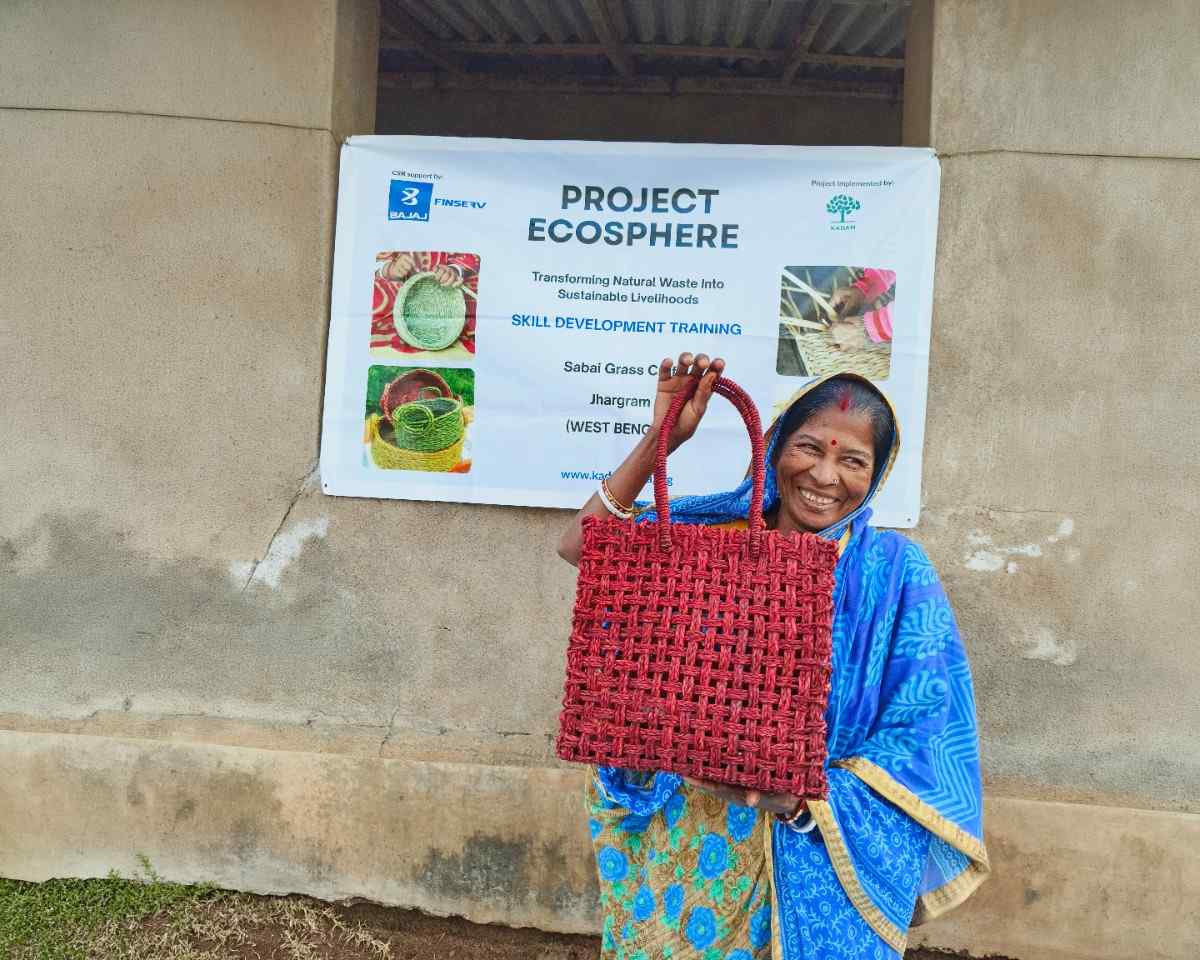
BFL supports ecosystem-level collaboration by partnering with like-minded CSRs, impact firms, enablers, finance players, and monitoring and evaluation organisations to design solution-oriented programmes. This involves exploring a layered approach to business development, including piloting in-depth programmes with existing partners to strengthen enterprise growth. Furthermore, the focus is on educational integration through structured 1- to 2-year programmes in design development and business management, specifically developed to build the next generation of craft leadership among artisans.

Child Development
BFL’s 5S Model School framework: Sundar (beautiful), Safal (effective), Saksham (capable), Surakshit (safe), and Shala (school), provides a structured, holistic approach to school quality rather than isolated inputs.
The interventions are holistic, a ‘whole of school’ approach, centred on the 5S Model School framework (Sundar, Safal, Saksham, Surakshit, and Shala). BFL supports and strengthens foundational literacy and numeracy (FLN), vocational education, mental health, digital and tech-based education, school-led health interventions and scholarships.
In FY2026, 540,224 children benefitted from education-related initiatives, spanning digital and technology-based learning, foundational literacy and numeracy, early childhood education, mental health support and scholarship assistance. About 10,000 were supported through digital learning; 30,000 through foundational literacy; 26,326 through comprehensive school interventions; 1,000 through vocational education; and 5,453 through scholarships.
Students from underserved backgrounds often face low confidence and disengagement in traditional classroom settings, limiting their participation and learning outcomes.
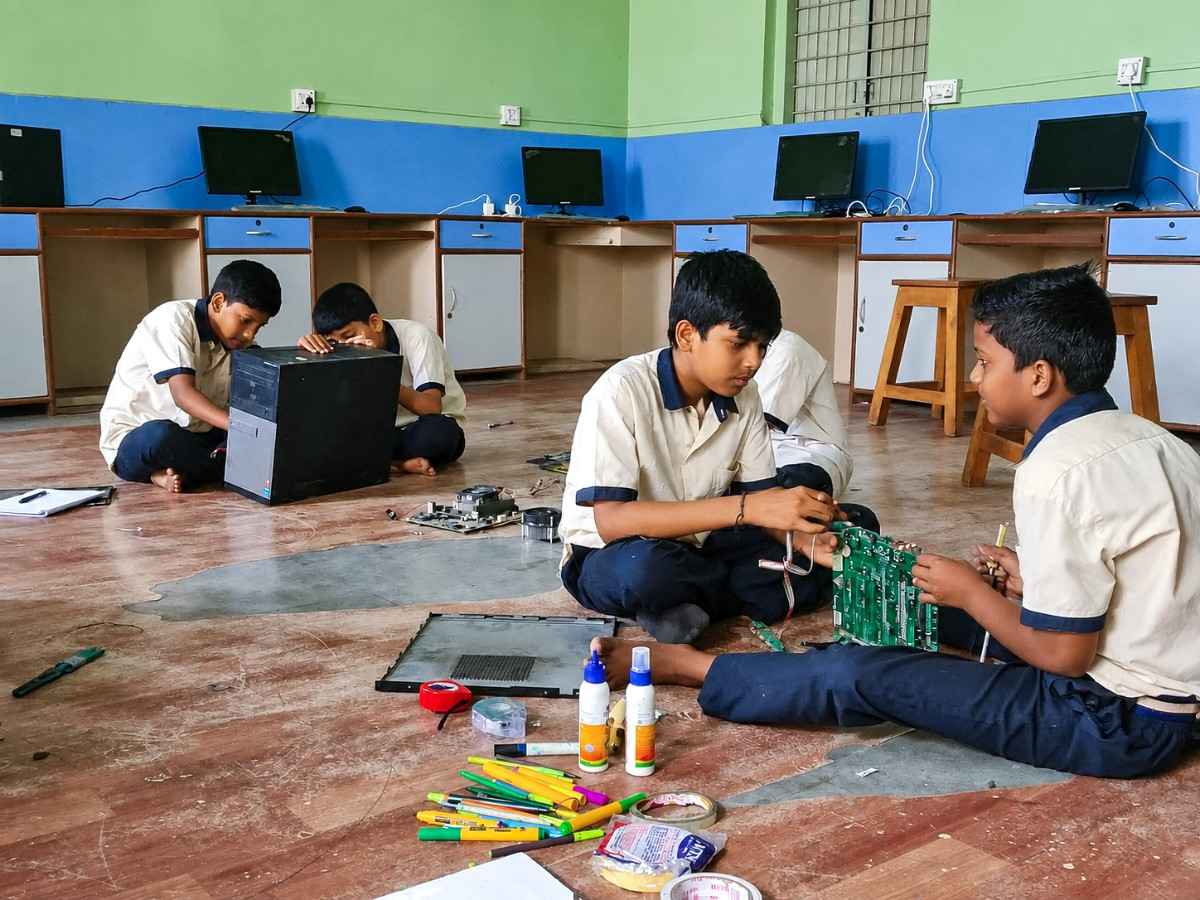
To address this, the PI JAM Foundation, in partnership with Bajaj Finance, promotes experiential and hands-on learning through problem-solving, collaboration, and innovation-based modules. Through this initiative, 10,000 students have been engaged in active learning, improving confidence, curiosity and critical thinking skills.
Sanket’s journey highlights how inclusive, experiential learning environments can transform self-doubt into confidence, enabling students to take ownership of their learning. A Grade 7 student from Pune who initially showed low confidence and disengagement, he gradually became involved through a hands-on learning module.
By participating in building a simple cooler using e-waste, he shifted from passive behaviour to active contribution and problem-solving, while also developing interest in exploring technologies like Raspberry Pi.
Corporate Social Responsibility
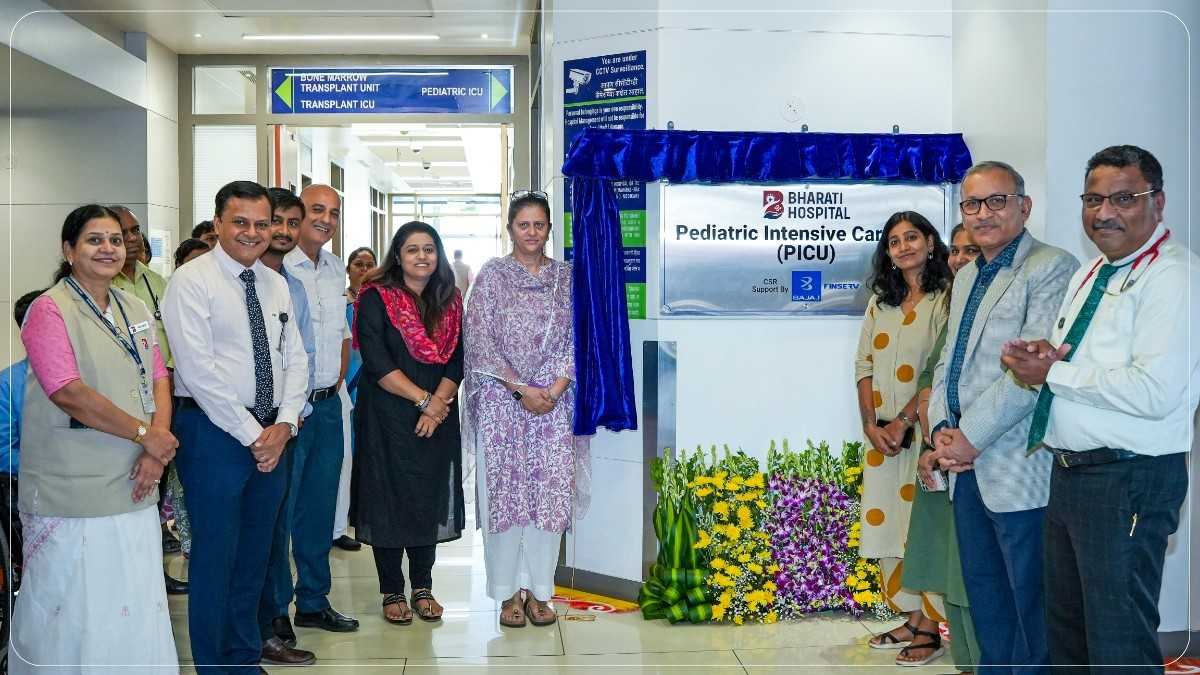
BFL is committed to improving long-term resilience and health outcomes for children under 18 affected by Non-Communicable Diseases (NCDs). Moving beyond isolated treatment, the ‘whole-of-child’ approach integrates early diagnosis, community-based screening, and infrastructure enhancement to create a sustainable support system for the most vulnerable. By acting as an ecosystem enabler, the Company collaborates with strategic partners to strengthen hospital capacity and frontline networks, ensuring specialised care is both high-quality and accessible. The focus is on Cleft Care, Type 1 Diabetes, Paediatric Healthcare, Paediatric Cancer and Epilepsy.
On the health front, 35,912 children were supported through health interventions. In collaboration with Smile Train India, Maha Smiles was launched to benefit 22,000 children. The Company’s support for the Sweetlings Centre of Excellence at Jehangir Hospital has transformed a once-weekly Type 1 Diabetes clinic into a six-day-a-week, multidisciplinary facility with a 24-hour helpline and school outreach. Close to 5,666 children were supported for cancer and epilepsy care.
The Company’s paediatric cardiac care programme has reached close to 1,990 children through a four-pillar model: Surgery, Screening, Capacity Building and Genomic Research. Across all Child Health programmes, the approach is consistent: not to fund isolated treatments but to strengthen the infrastructure, referral networks and workforce pipelines that make care accessible and sustainable over time.
BFL's child protection strategy adopts an Integrated Community Approach to shield vulnerable children from trafficking, abuse, and labour. The Company combines system strengthening with a communities model to drive behavioural change. BFL utilises both Model Child Care Institutions for institutional safety and prioritised Non-Institutional Care to provide tailored rehabilitation. This holistic framework now extends to Children in Conflict with the Law, ensuring they access the development opportunities necessary to become productive citizens.
Child Protection receives close to 26,072 beneficiaries: 978 across institutional care; 2,900 across rescue and rehabilitation; 21,239 across community programmes; and awareness programmes on child sexual abuse covering 19,374 individuals.
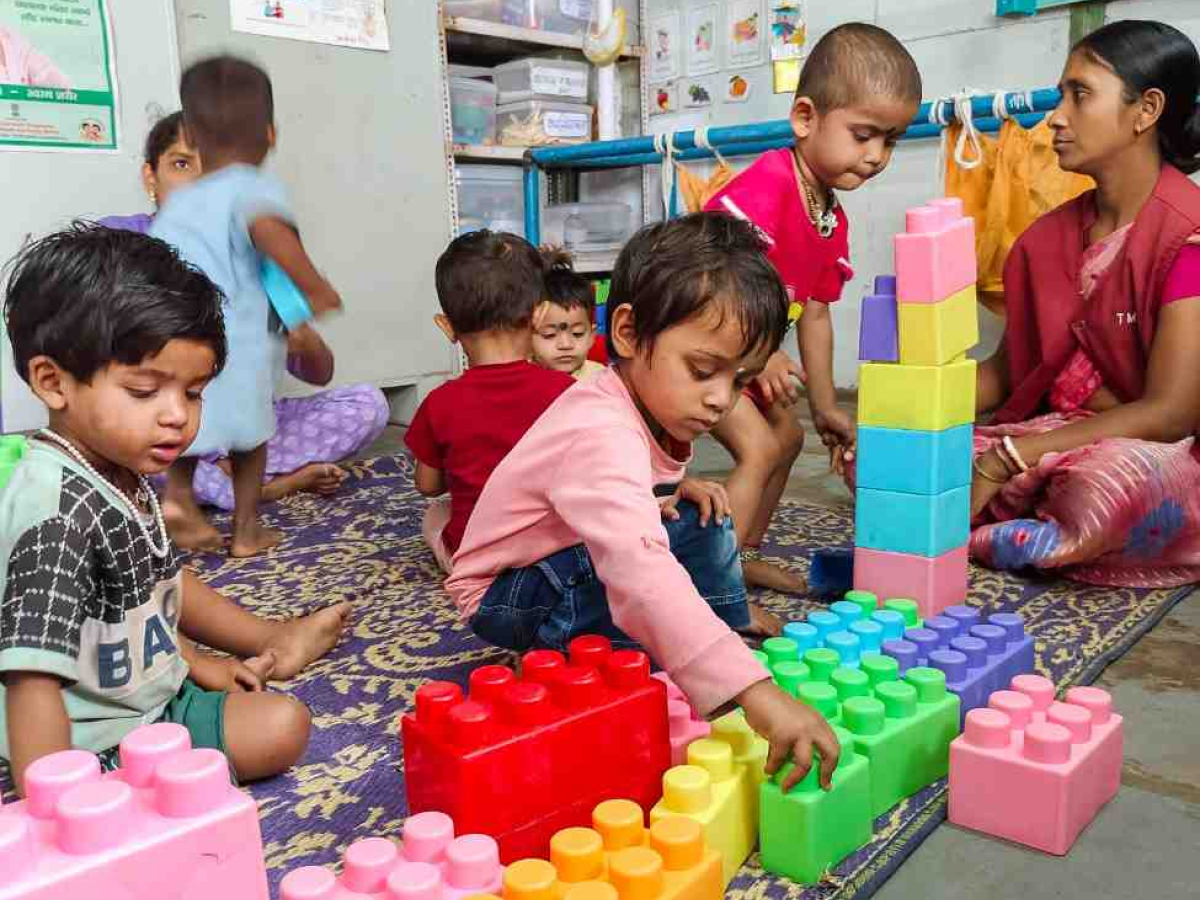
BFL focuses on the wellbeing of Persons with Disabilities (PwDs) by facilitating their inclusion into mainstream society. BFL addresses a variety of challenges, including intellectual, developmental, physical, and locomotor disabilities, with a strong emphasis on early identification, intervention, and counselling. The interventions are across therapies, medical rehabilitation, inclusive education, assistive technology, community-based interventions and fellowships and scholarships.
BFL supported 390,369 Persons with Disabilities across rehabilitation, medical aids, assistive technology, educational inclusion and community-based programmes in partnership with BFL.
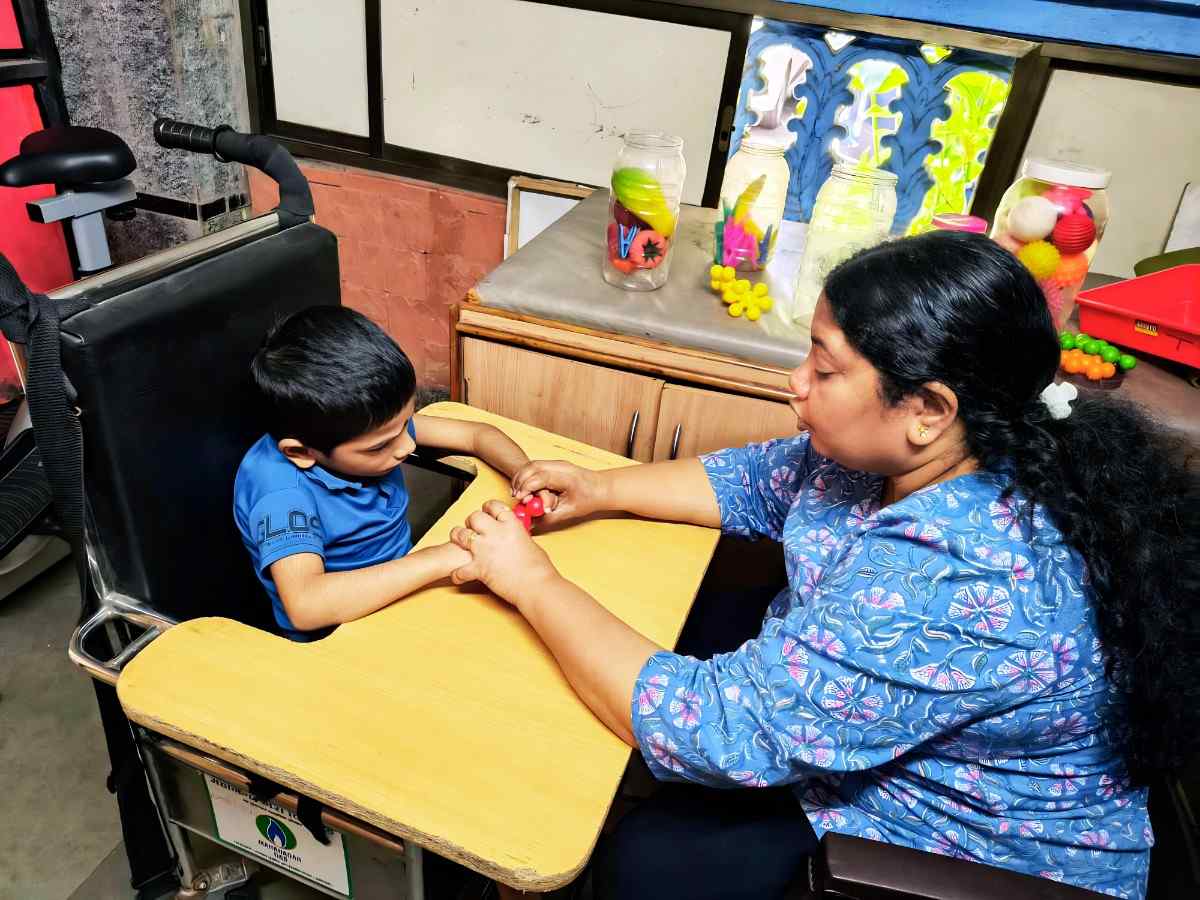
BFL’s employee volunteering initiatives are designed to create shared value for employees, NGO partners and communities. The programmes focus on strengthening partner capacities, supporting beneficiaries through knowledge-sharing, and enabling employees to gain exposure, empathy and leadership experience through meaningful engagement. 435 BFL employees contributed to volunteering 536.5 hours.
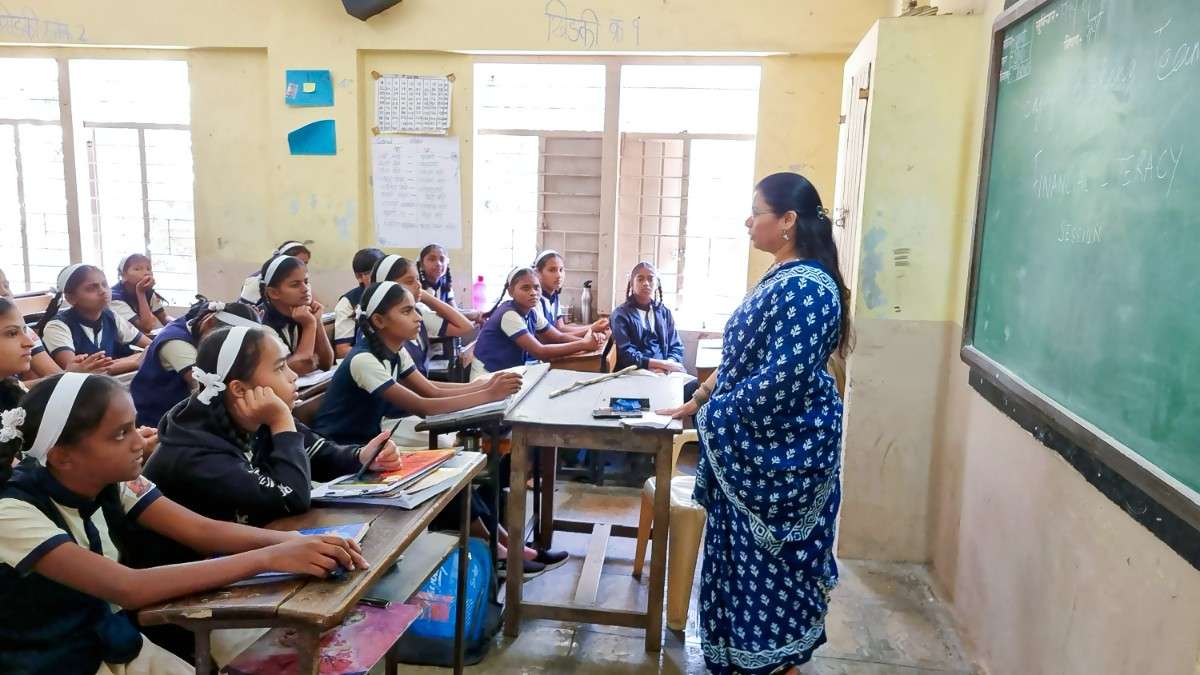
- Awareness Generation: Promoting social causes and responsible citizenship.
- Capability Building: Mentoring, training and guiding NGO partners and beneficiaries.
-
Career Guidance and Mentorship for Students
Employees conducted sessions for students from Grades 8 to 10, introducing them to diverse career pathways, future opportunities, and personal growth journeys. These sessions were aimed at ensuring equitable access to career awareness and informed decision-making. -
Learning Modules on AI, BFSI and Interview Readiness
Employees, supported by internal Learning & Development teams, delivered curated modules on emerging technologies, banking and financial services and interview preparedness to enhance employability outcomes for youth. -
Awareness Initiatives
Employees actively participated in awareness campaigns on themes such as inclusion of persons with disabilities, child safety, the POCSO Act, etc. These initiatives were implemented through workplace activities, inclusive runs, wall-painting drives and external outreach programmes.